Understanding the Privileges of Instrument Rating
In the ever-evolving world of aviation, precision, adaptability, and control are essential. An instrument rating (IR) is not merely a certification—it is a gateway to a new level of aerial competence. For pilots, earning this rating transforms their flight capabilities from the limitations of visual flight rules (VFR) to the sophistication and flexibility of instrument flight rules (IFR). This article delves deep into the privileges an instrument rating confers and why it is a transformative step in a pilot’s career.
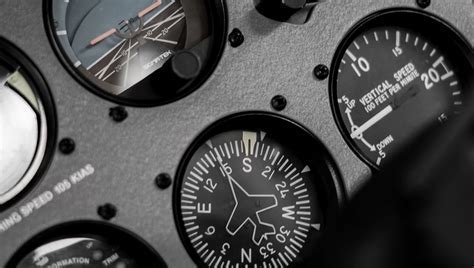
The instrument rating is a critical credential for private pilots who aspire to fly in diverse meteorological conditions. Under IFR, pilots rely solely on cockpit instruments, navigating and controlling the aircraft in conditions where visual references are unavailable. This includes scenarios such as dense fog, heavy rain, snow whiteouts, or nighttime over water.
Expanded Flight Capabilities Under IFR
One of the most significant privileges granted by an instrument rating is the ability to fly in instrument meteorological conditions (IMC). Unlike VFR pilots, who are grounded or rerouted by poor visibility, instrument-rated pilots can continue operating efficiently through:
-
Cloud layers and low visibility zones
-
Precipitation-heavy regions
-
Mountain obscurations
-
Nighttime operations in low-light environments
These expanded capabilities allow pilots to plan and execute cross-country flights with confidence, regardless of changing weather patterns. A well-prepared instrument-rated pilot can leverage their training to complete complex trips that would be otherwise impossible for non-IFR-qualified aviators.
Mastering Advanced Navigation and Airspace Operations
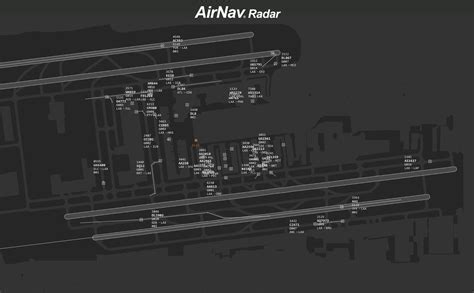
With an instrument rating, pilots gain the privilege of interacting with Air Traffic Control (ATC) in a much more sophisticated environment. Under IFR flight plans, pilots are granted access to:
-
Class A, B, C, D, and E airspace with ease
-
Controlled airspace above FL180 (Flight Level 180)
-
Efficient routing through congested or high-traffic zones
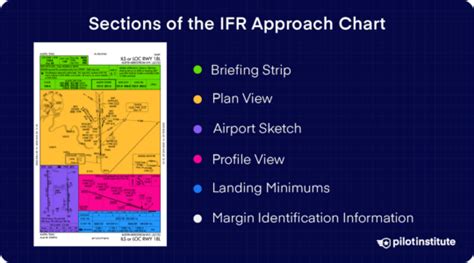
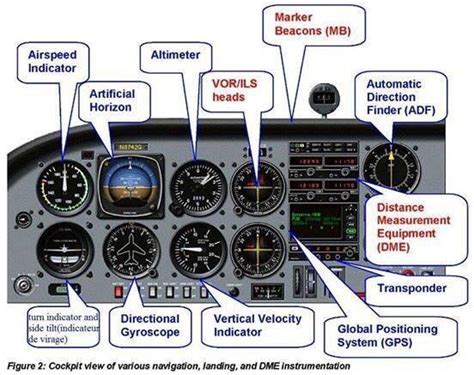
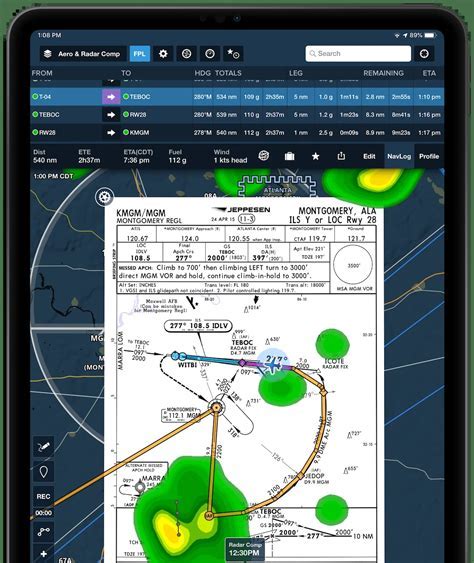
This certification refines a pilot’s navigational proficiency, including the use of advanced systems like VOR, GPS, DME, and ILS (Instrument Landing System). Through continual communication with ATC and adherence to controlled protocols, the pilot’s situational awareness and operational discipline significantly increase.
Enabling Professional and Business Flying
While the instrument rating does not allow pilots to earn money directly from flying passengers or cargo, it does provide a foundational credential for those intending to pursue a Commercial Pilot License (CPL). The IR is also crucial for pilots flying for business-related purposes, offering the flexibility to travel according to schedule and not be confined by weather-induced delays.
Private and business aviators with an IR can:
-
Fly more consistently and reliably for client meetings or inter-state operations
-
Utilize more direct routing for efficient time and fuel management
-
Build hours under real-world IFR conditions, which counts toward commercial and airline transport pilot requirements
Safety and Emergency Preparedness
Instrument-rated pilots possess enhanced training in emergency response, particularly when visibility degrades unexpectedly. The training includes detailed simulations and real-world scenarios such as:
-
Instrument approach procedures in zero-visibility
-
Diversions and reroutes via ATC commands
-
Controlled descents in mountainous terrain
-
Partial or full avionics failure procedures
This deep familiarity with cockpit systems and emergency planning enables IR holders to manage crises with measured confidence, reducing risk for both passengers and crew.
A Stepping Stone to Commercial Aviation
An instrument rating is more than a safety enhancement—it is a gateway to professional aviation. The training hours and competencies developed in IFR operations contribute directly to the qualifications needed for:
-
Commercial Pilot License (CPL)
-
Certified Flight Instructor – Instrument (CFII)
-
Airline Transport Pilot (ATP) pathway
Many regional and major airlines regard an IR as mandatory for pilot applicants. Moreover, the structured training process—marked by precision, adherence to federal regulations, and in-depth operational knowledge—mirrors the airline-style flying environment.

The Core Privileges of Instrument Rating
At its essence, the instrument rating unlocks a suite of exclusive privileges for private pilots:
-
IFR Flight Authorization: Operate legally under IFR in all airspace classes.
-
IMC Endurance: Fly safely in reduced visibility due to weather or environmental conditions.
-
Night Flight Confidence: Travel at night without reliance on outside visual cues.
-
IFR Routing Access: File IFR flight plans and navigate controlled airspace with ATC coordination.
-
Professional Development: Satisfy key prerequisites for advanced aviation certifications.
Limitations to Consider
Despite its many privileges, an instrument rating carries certain limitations, most of which align with broader FAA regulations:
-
Compensation Restrictions: As with a PPL, IR holders cannot be compensated for carrying passengers or cargo.
-
Medical Certification Requirements: IFR flying demands a valid FAA medical certificate.
-
Currency Requirements: To remain IFR current, pilots must complete six instrument approaches, holding procedures, and tracking/navigation every six calendar months.
-
Aircraft Equipment Mandates: The aircraft must be IFR-certified and equipped with functioning navigational and communication tools, including backup systems.
These limitations, however, are often transitional. As pilots progress toward a CPL or ATP, they overcome these hurdles with additional ratings and operational privileges.
Building Toward a Safer, Broader Flight Experience
Ultimately, earning an instrument rating demonstrates a pilot’s dedication to mastering the skies beyond fair-weather flying. It signifies a shift from recreational or VFR-limited operations to professional-grade flight capability. With this rating, pilots become far more versatile, marketable, and resilient in the face of unpredictable environmental conditions.
From long-distance cross-country flights to instrument approaches in marginal weather, the IR is a valuable investment for pilots serious about long-term growth and safety. Whether for business utility, personal reliability, or a stepping stone toward airline employment, the privileges conferred by an instrument rating are indispensable.
FAQs on the Privileges of Instrument Rating
What can I legally do with an instrument rating that I can’t with a private pilot license?
An instrument rating permits you to fly in instrument meteorological conditions (IMC), including clouds, fog, and low-visibility environments. It also allows you to operate under instrument flight rules (IFR), interact extensively with ATC, and navigate controlled airspace with advanced systems.
Does an instrument rating allow me to fly at night?
Yes, it significantly enhances your night-flying capabilities. While VFR night flight is allowed under a PPL, an instrument rating prepares you to fly without relying on visual ground references—essential during nighttime over unfamiliar terrain or in poor visibility.
Can I earn money flying with just an instrument rating?
No. The instrument rating itself does not authorize compensation. To fly commercially or receive payment for transporting passengers or goods, you must also obtain a Commercial Pilot License (CPL). However, IFR hours contribute directly toward CPL requirements.