Navigating the aviation world as a newly minted commercial pilot opens an array of opportunities — but also responsibilities that must be precisely understood to operate within the law and safeguard your license.
Understanding the Privileges of a Commercial Pilot License
Achieving a commercial pilot certificate is a pivotal step that transforms flying from a passionate pursuit into a professional vocation. At its core, the commercial pilot license grants the right to be compensated for piloting services, offering expansive opportunities across several sectors.
The foremost privilege is the authority to carry persons or property for compensation or hire. This principle forms the backbone of a commercial aviation career, allowing pilots to legally offer their services to companies or individuals. Whether transporting passengers or critical cargo, pilots can now monetize their expertise, opening avenues from corporate aviation to specialized aerial work.
Another important entitlement is the ability to act as pilot in command (PIC) or second in command (SIC) for hire. This provision ensures pilots can operate in a variety of professional environments, whether leading a flight or supporting operations as a first officer.
Moreover, pilots may perform duties under “dry lease” agreements, where the aircraft is supplied by the client, and the pilot simply provides flight services. This flexibility widens the scope of contract opportunities, especially for pilots not owning an aircraft.
Additionally, the commercial certificate enables pilots to engage in specific activities exempt from Part 119 certification, including:
- Flight instruction for student pilots.
- Nonstop commercial air tours within prescribed limits.
- Ferry and training flights.
- Aerial work operations, such as:
- Crop dusting and agricultural applications
- Banner towing
- Aerial photography and surveying
- Firefighting
- Powerline and pipeline patrol
- Hot air balloon sightseeing within 25 miles of departure.
- Helicopter construction or external load operations within designated limits.
- Emergency mail delivery during national emergencies.
Another subtle but essential privilege is the ability to engage in private carriage flights. However, it is critical to distinguish between private and common carriage. Private carriage involves transportation for a few select clients, often under long-term contracts, and it must not be advertised to the public. By contrast, common carriage requires a formal operating certificate under Part 121 or 135. Despite some sources suggesting otherwise, the FAA’s regulations explicitly require even private carriage operations to secure proper certification to operate legally.
Critical Limitations Every Commercial Pilot Must Understand
While the commercial pilot certificate unlocks considerable opportunities, it also imposes specific limitations to protect the safety and structure of the aviation industry.
One of the most immediate restrictions applies to pilots without an instrument rating. Such pilots cannot:
- Carry passengers for hire beyond 50 nautical miles from the point of departure.
- Conduct passenger flights at night.
Thus, acquiring an instrument rating is not merely advisable—it is practically essential for career growth and flexibility.
Another important limitation involves the type of medical certificate held. Although pilots may technically earn their commercial license with a third-class medical, exercising the privileges for compensation requires a second-class or first-class medical certificate. Without an appropriate medical certificate, the pilot is legally grounded from conducting for-hire operations.
Further, pilots must avoid inadvertently offering services that require a Part 121 or Part 135 operating certificate. Part 121 governs scheduled air carriers — such as regional airlines — and covers regularly scheduled passenger flights. Conversely, Part 135 includes on-demand operations like air taxi services, commuter flights, and corporate shuttles. These activities demand additional regulatory compliance and certification, which commercial pilots must not engage in without proper credentials.
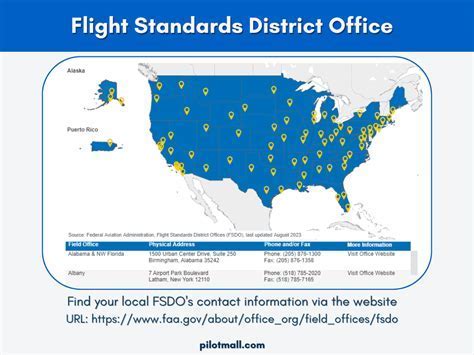
The danger of working for an unlicensed charter operation cannot be overstated. Pilots must conduct due diligence, confirming a company’s legitimacy by checking with the local Flight Standards District Office (FSDO). Pilots caught flying for illegal operations risk significant penalties, including certificate suspension or revocation.
Another critical caution is the prohibition against holding out services without proper certification. Holding out refers to offering both pilot services and an aircraft for hire — a “wet lease” situation — without necessary FAA authorization. This scenario constitutes common carriage and falls squarely under regulated activities requiring an operating certificate. Even informal advertising or repeated contracts with varied customers could trigger FAA scrutiny for holding out.
Legal Complexities Surrounding Private Carriage and Common Carriage
Among the most challenging distinctions for commercial pilots is the line between private carriage and common carriage. Private carriage implies services are provided selectively to a limited group, without general advertising or public availability. While some believe private carriage is permissible under a simple commercial license, the Federal Aviation Regulations (FAR 119.23(b)) clarify that even private carriage typically demands an operating certificate.
It is imperative to understand that carriage, whether private or common, remains a commercial activity subject to FAA oversight. Misunderstanding this subtlety can lead to serious regulatory violations. For an authoritative guide, pilots should reference the FAA’s Flight Standards Information Management System (FSIMS) and seek advice directly from their local FSDO.
Practical Recommendations for Staying Within Compliance
Given the nuanced and evolving regulatory environment, commercial pilots must adopt proactive strategies to maintain compliance and preserve their professional standing.
- Maintain current knowledge of FAR Part 61, 91, 119, 121, and 135.
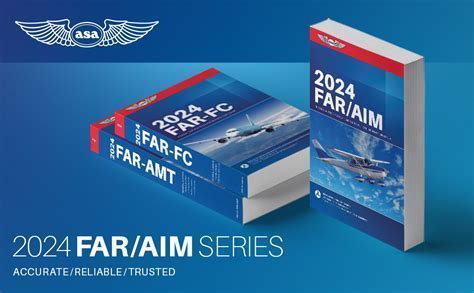
- Regularly consult the Federal Aviation Regulations (FAR) Manual and monitor updates.
- Seek clarification from FSDO officials whenever uncertainties arise.
- Pursue additional ratings and endorsements (such as the instrument rating and multi-engine rating) to expand operational flexibility.
- Document all flight operations meticulously, especially when engaging in less common activities like ferry flights, aerial survey, or non-stop air tours.
- Vet employers rigorously, confirming that any charter or contract operation is properly licensed and authorized by the FAA.
Moreover, pilots must remember that their professional reputation and future career opportunities depend heavily on their regulatory compliance. Even unintentional violations can have lasting consequences, ranging from administrative action to certificate revocation.
Conclusion: Mastering Commercial Pilot Privileges and Responsibilities
Earning a commercial pilot certificate is a significant milestone that marks the transition from amateur aviator to professional pilot. However, true mastery comes from understanding not only what one can do, but also what one must not do under the law. The privileges offer rewarding career pathways, from cargo operations to specialized aerial missions, but every opportunity comes with its regulatory counterpart.
By respecting these boundaries, seeking continual education, and maintaining an unwavering commitment to legal compliance, commercial pilots safeguard their livelihoods and the broader safety of the aviation community.
The dynamic world of aviation demands more than just skilled flying — it requires sound judgment, regulatory knowledge, and ethical professionalism. Those who excel in these areas will not only succeed but will also inspire the trust and confidence essential for a thriving aviation career.