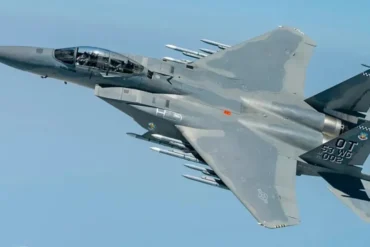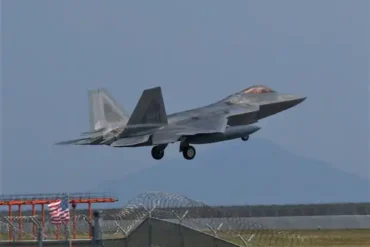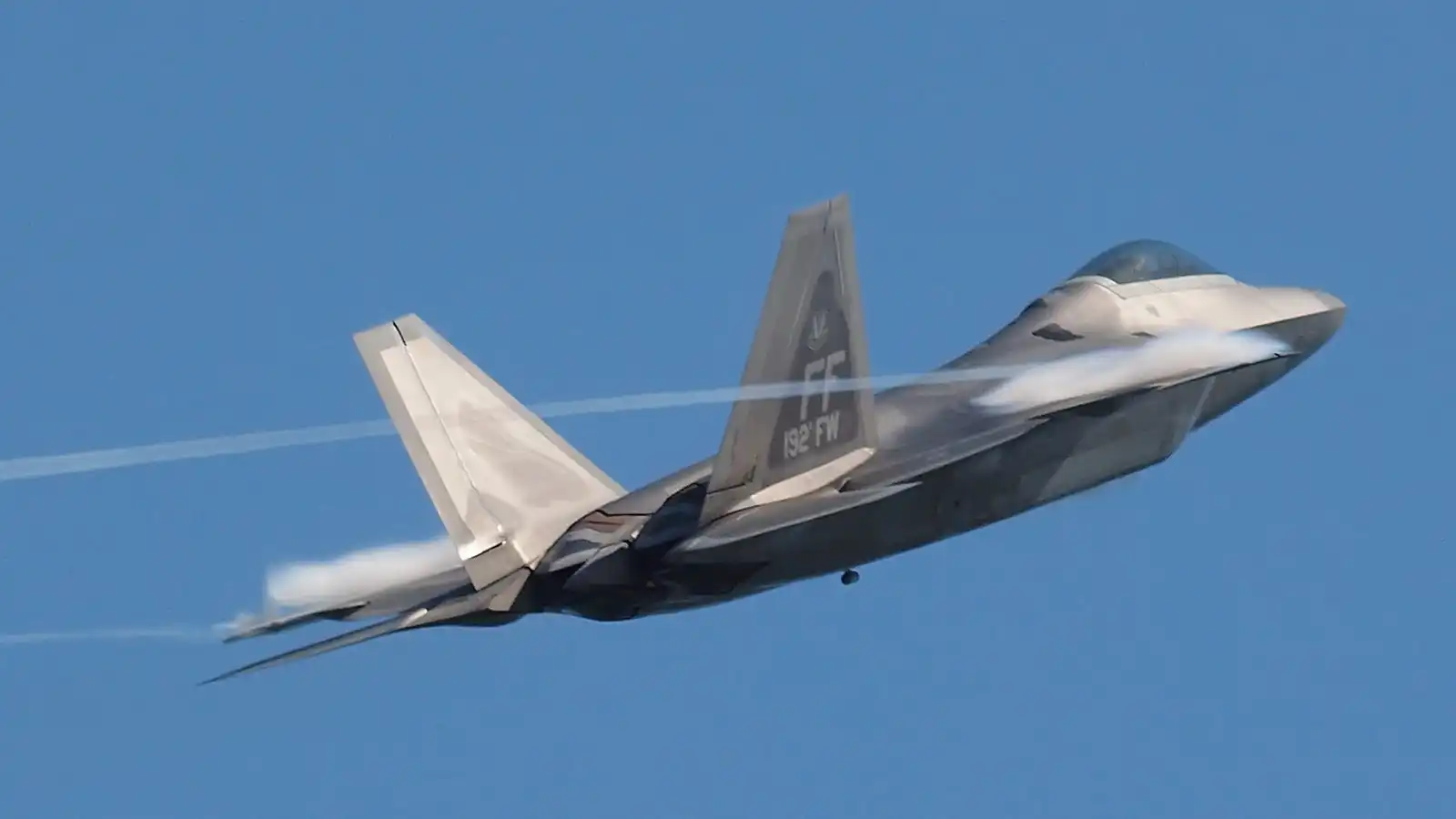
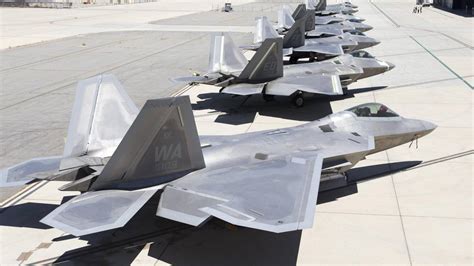
The F-22 Raptor Block 20 is an early production variant of the United States Air Force’s (USAF) fifth-generation stealth fighter. Developed primarily for training, testing, and non-combat roles, it represents a crucial phase in the evolution of the F-22 Raptor fleet. Despite its advanced design at the time of production, Block 20 falls short of the full combat capabilities seen in later models such as Block 30 and Block 35. This article provides a detailed analysis of the Block 20’s characteristics, limitations, upgrade challenges, and the ongoing debate regarding its future.
Overview of F-22 Block 20
The F-22 Block 20 was part of the initial production batch, with 36 units manufactured. Unlike the later operational variants, these aircraft were designed primarily for pilot training and experimental testing, lacking the full suite of combat avionics and weapons compatibility.
Key Features and Limitations
- Avionics and Stealth: While Block 20 retains the stealth airframe and some sensor fusion capabilities, it lacks advanced mission systems found in later models.
- Weapon Limitations: Block 20 cannot employ AIM-9X Sidewinder or AIM-120D AMRAAM missiles, reducing its effectiveness in modern air combat.
- Electronic Warfare Deficiencies: The absence of robust electronic countermeasures (ECM) and data link integration restricts its role in networked warfare.
- Lack of Modern Communications: It does not support Link 16, the standard NATO data-sharing protocol, hampering its ability to operate effectively with other assets.
Upgrade Challenges and High Costs
The USAF has explored upgrading Block 20 aircraft to bring them closer to Block 30/35 standards, but this remains a daunting task due to the aircraft’s hardware limitations and closed architecture design.
Cost-Prohibitive Upgrades
- Each aircraft would require over $50 million to modernize, including:
- Upgrading the AN/APG-77 radar to APG-77v1 for improved detection and targeting.
- Enhancing weapon compatibility for guided munitions such as Small Diameter Bombs (SDBs).
- Implementing automatic ground collision avoidance systems (Auto-GCAS).
- Due to the high costs, the USAF has deprioritized these upgrades in favor of next-generation platforms.
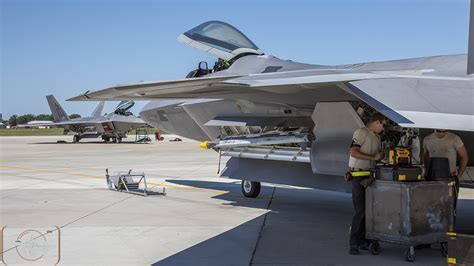
Maintenance and Operational Challenges
- High annual maintenance costs: Each Block 20 aircraft incurs $15 million per year in operational expenses.
- Limited adaptability: The airframe design makes it difficult to integrate modern sensors and systems.
- Reduced availability: Maintenance backlogs and logistics challenges have kept many Block 20 Raptors grounded.
The Debate Over Retirement
USAF’s Position on Retirement
Since 2021, the USAF has repeatedly proposed retiring the Block 20 fleet, arguing that these aircraft are too expensive to maintain and too outdated to upgrade for combat roles. The plan would allow funding to be redirected toward:
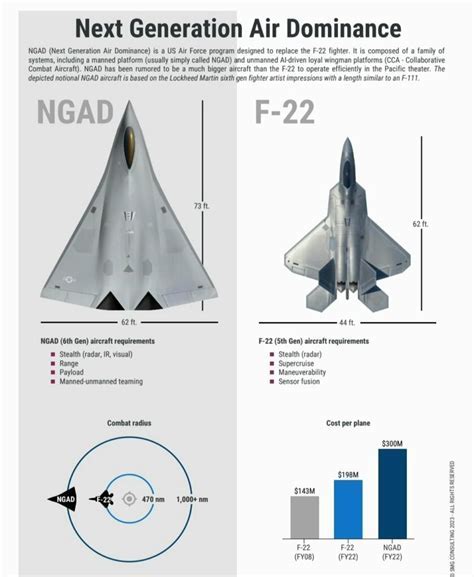
- Next Generation Air Dominance (NGAD) program
- Modernization of existing F-22 Block 30/35 units
Congressional Pushback
However, Congress has repeatedly blocked retirement efforts, citing:
- Shortage of high-end fighter jets amid rising geopolitical tensions.
- Potential use of Block 20 as limited combat assets in emergencies.
- Training value for the next generation of F-22 pilots.
As a result, the earliest possible retirement has been postponed to 2028, pending further reviews.
Technical Shortcomings of Block 20
Obsolete Sensor and Avionics Systems
Compared to modern fifth-generation fighters like the F-35 and China’s J-20, the F-22 Block 20 lags significantly in sensor technology:
- No Electro-Optical Targeting System (EOTS): Unlike the F-35, Block 20 lacks an infrared targeting system for ground and air engagements.
- No Distributed Aperture System (DAS): The absence of a 360-degree infrared detection system weakens its situational awareness.
- Limited Electronic Warfare (EW) capabilities: Block 20 lacks the advanced jamming and detection tools found in newer aircraft.
Data Link and Communication Deficiencies
- Incompatibility with Link 16: Unlike modern combat aircraft, Block 20 cannot directly communicate with allied forces via real-time tactical data sharing.
- Limited situational awareness: Without networked capabilities, Block 20 pilots must rely on onboard radar, reducing effectiveness in multi-aircraft operations.
The Future of F-22 Block 20
Potential Short-Term Role
- Given uncertainties in NGAD development timelines, Block 20 may continue limited service until a viable replacement arrives.
- Some modifications, such as IRST (Infrared Search and Track) pods and stealth external fuel tanks, are being evaluated to extend its usability.
Long-Term Outlook
- The F-22 is expected to remain in service until the early 2030s, but Block 20’s future remains uncertain.
- The aircraft’s age and technological gap make further life-extension programs unlikely.
- The ultimate fate of Block 20 will depend on the pace of NGAD progress and budgetary decisions.
Conclusion
The F-22 Block 20 represents a transitional phase in the Raptor program. While it has served as a valuable training and test platform, its aging systems, high costs, and limited combat effectiveness have made it a candidate for early retirement. However, geopolitical considerations and congressional interventions have delayed its decommissioning, keeping it in service for the foreseeable future. As the USAF pivots toward NGAD, the remaining Block 20 aircraft will likely be phased out, marking the end of an important chapter in stealth fighter evolution.
Frequently Asked Questions (FAQs)
1. Why can’t the F-22 Block 20 fire advanced missiles like AIM-9X and AIM-120D?
The Block 20 variant was built for training and testing, and its avionics lack the necessary software and hardware upgrades to integrate modern weapons.
2. How does Block 20 compare to later F-22 variants?
Block 20 is inferior to Block 30/35 in radar, electronic warfare systems, and combat capability. It is primarily used for non-combat roles.
3. Will the F-22 Block 20 be retired soon?
While the USAF aims to retire it by 2028, congressional resistance may delay this timeline, depending on NGAD development progress and military needs.