Finland and the F/A-18 Super Hornet: A Strategic Overview
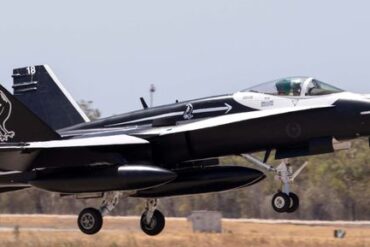
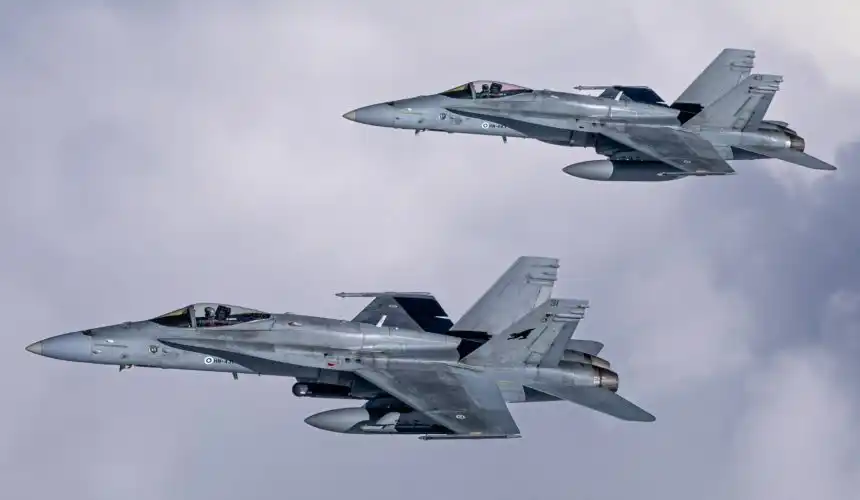
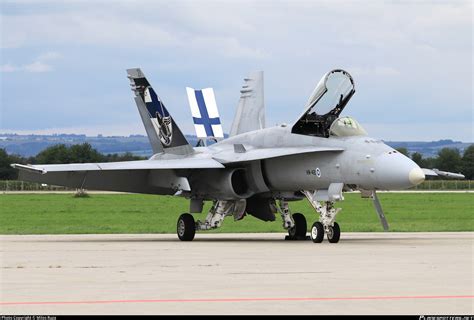
Finland’s relationship with the F/A-18 Super Hornet is rooted in its ongoing efforts to modernize its air force while aligning with NATO interoperability standards. The nation currently operates the older F/A-18 Hornet models, which have served as the backbone of its air defense for decades. The discussion surrounding a potential acquisition of the Super Hornet gained traction following remarks by former U.S. President Donald Trump in 2017, though Finland refuted claims of a finalized purchase plan. As Finland integrates further into NATO, the question of whether the F/A-18E/F Super Hornet is a viable successor to its current fleet remains a critical subject of debate.
The 2017 Controversy: Trump’s Claim and Finland’s Response
In September 2017, Donald Trump publicly stated that Finland planned to procure F/A-18 Super Hornets worth €70-100 billion as part of its fighter fleet modernization. However, Finland’s defense officials swiftly denied any finalized decision, clarifying that the country was still evaluating various options. This incident underscored the United States’ strong interest in promoting the Super Hornet as a competitive option while exposing the Finnish government’s cautious approach to military procurement.
Finland’s Current Air Force and NATO Mission (2025)
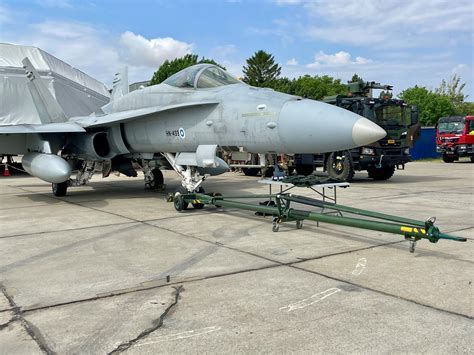
As of 2025, Finland continues to operate the legacy F/A-18 Hornet, maintaining a fleet that has been in service since the 1990s. A significant milestone occurred in February 2025, when Finland deployed four Hornets to Iceland as part of NATO’s air policing mission, marking its first air defense operation under NATO command. Despite this operational milestone, the aging fleet underscores the urgent need for a modern replacement.
The Case for the F/A-18 Super Hornet
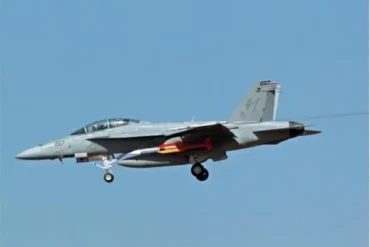
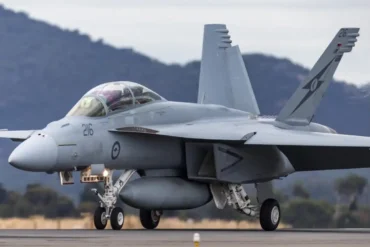
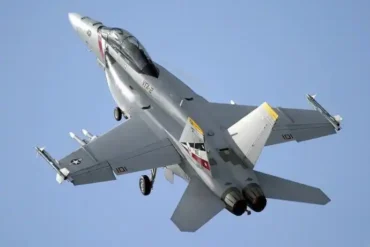
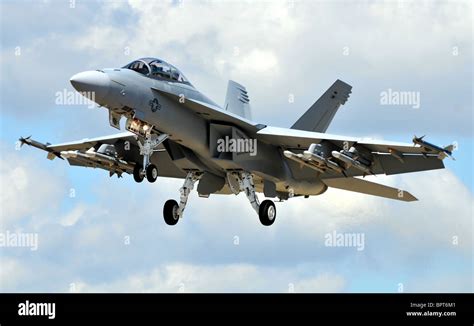
The F/A-18E/F Super Hornet represents a substantial upgrade over Finland’s current Hornets. Developed by Boeing, this aircraft boasts improved payload capacity, range, avionics, and survivability. Key advantages of the Super Hornet include:
- Extended operational range, enabling greater air superiority capabilities.
- Enhanced radar and avionics, providing superior situational awareness.
- Increased weapons payload, allowing for both air-to-air and air-to-ground versatility.
- Proven NATO integration, making it compatible with allied forces.
Given these factors, Finland may find the Super Hornet an attractive option, particularly as it seeks to harmonize its air force capabilities with NATO partners.
Factors Influencing Finland’s Decision
While the Super Hornet offers clear advantages, several strategic, financial, and geopolitical factors will influence Finland’s procurement decision:
1. Fleet Replacement Needs
Finland’s existing Hornet fleet has been in service for over 30 years, necessitating an imminent replacement. The question remains whether Finland will continue the F/A-18 lineage or opt for a more futuristic stealth platform.
2. NATO Compatibility and Interoperability
With Finland’s full integration into NATO, selecting an aircraft that seamlessly integrates with allied air forces is paramount. The Super Hornet is already in service with the U.S. Navy, Australia, and other Western air forces, ensuring it meets NATO’s operational requirements.
3. Cost Considerations and Industrial Cooperation
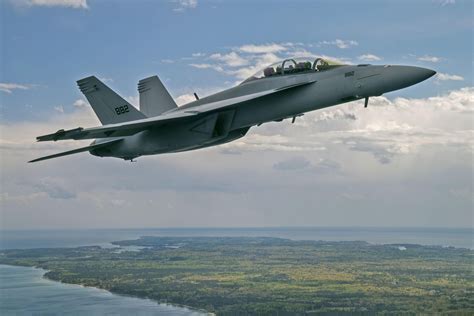
Compared to fifth-generation stealth fighters, the Super Hornet presents a more cost-effective alternative. Additionally, Boeing has historically explored industrial cooperation opportunities, such as shifting production to India to reduce costs. A similar strategy might be leveraged to make the Super Hornet an attractive financial option for Finland.
Alternatives to the Super Hornet
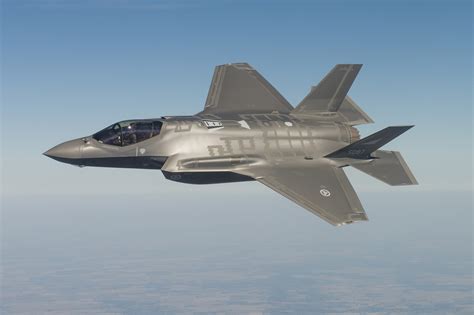
While the Super Hornet remains a strong contender, Finland has also explored alternative platforms, particularly the Lockheed Martin F-35 Lightning II. The F-35 offers stealth capabilities, advanced sensor fusion, and long-term NATO integration benefits. However, it comes with a higher acquisition and maintenance cost.
Finland’s decision will ultimately hinge on balancing budget constraints, operational requirements, and future warfare considerations. While stealth capabilities are increasingly crucial, the Super Hornet’s mature technology and lower procurement cost ensure it remains in the race.
Conclusion: Will Finland Choose the Super Hornet?
As of 2025, Finland has not made an official decision regarding the purchase of the F/A-18 Super Hornet. However, the aircraft remains a logical replacement candidate given its proven capabilities, NATO compatibility, and cost-effectiveness. The final decision will depend on multiple factors, including geopolitical considerations, budget constraints, and Finland’s long-term air defense strategy.
FAQ
1. Has Finland officially ordered the F/A-18 Super Hornet?
No, as of 2025, Finland has not officially announced the procurement of the Super Hornet. The country continues to evaluate multiple options, including the F-35 Lightning II.
2. Why would Finland consider the Super Hornet over the F-35?
The Super Hornet is a cost-effective, proven, and highly capable platform that aligns well with Finland’s existing air force infrastructure. While the F-35 offers stealth advantages, the Super Hornet provides reliability, lower operating costs, and seamless NATO integration.
3. How does the Super Hornet compare to Finland’s current Hornet fleet?
The F/A-18E/F Super Hornet features enhanced avionics, increased range, a larger weapons payload, and improved survivability compared to Finland’s current legacy Hornet fleet. It represents a modernized version of the existing platform, ensuring a smoother transition for Finnish pilots and maintenance crews.
Finland’s fighter aircraft procurement decision will shape its defense strategy for decades to come. While the F/A-18 Super Hornet remains a strong candidate, geopolitical shifts and technological advancements may ultimately determine the nation’s next-generation air superiority platform.