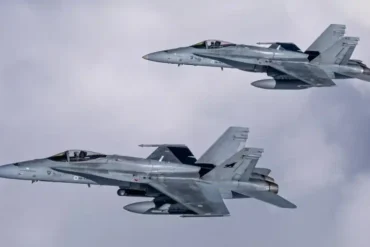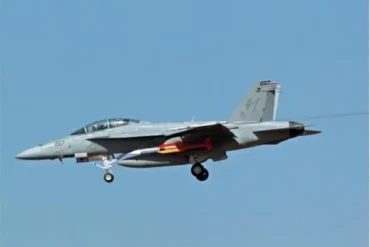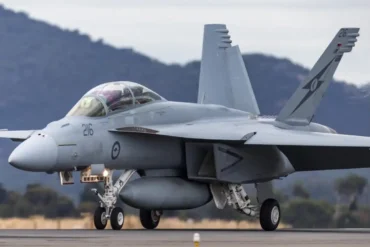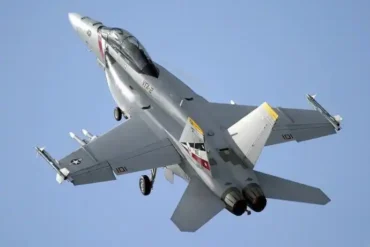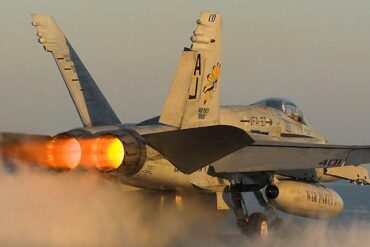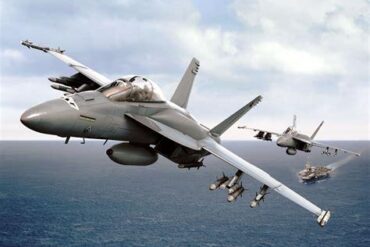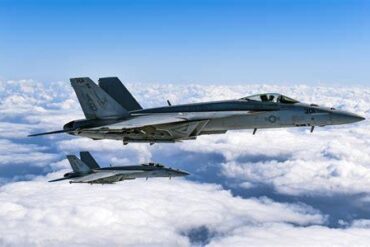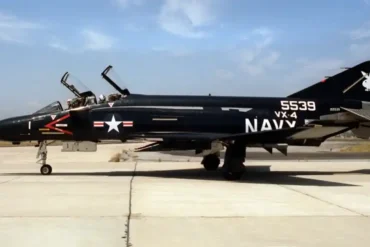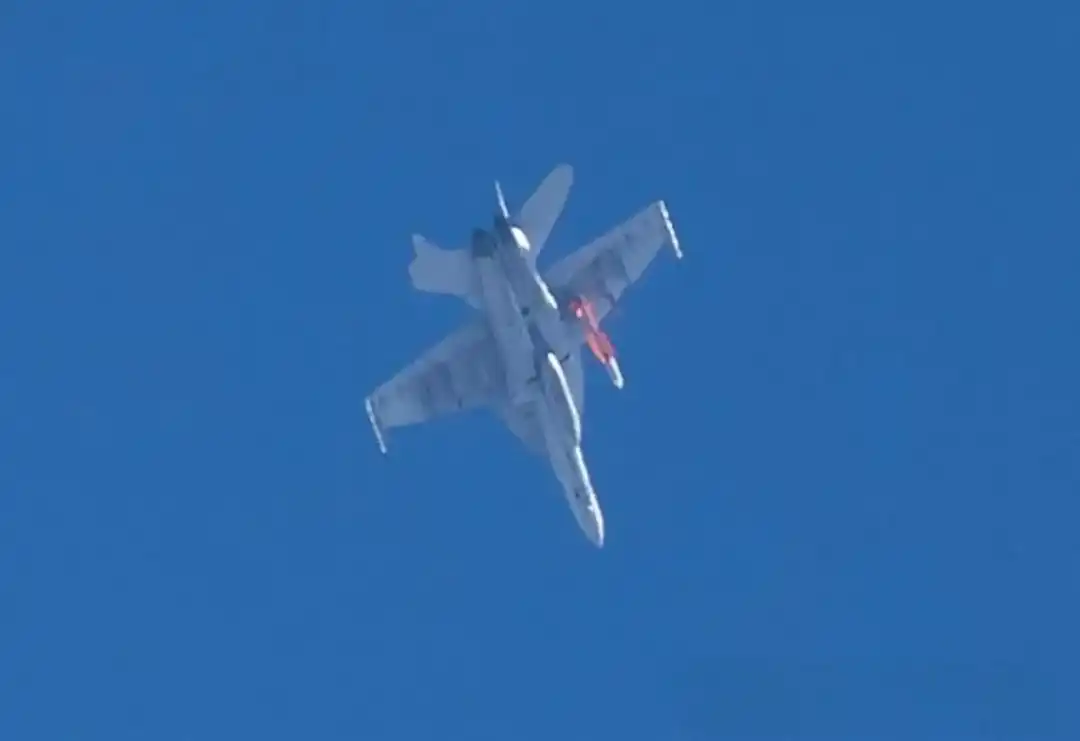
The integration of the SM-6 missile, designated AIM-174B when air-launched, with the F/A-18E/F Super Hornet marks a significant enhancement in the U.S. Navy’s long-range strike and air defense capabilities. This advanced combination enables extended-range engagements, multi-role flexibility, and improved operational effectiveness against modern threats.
Technical Specifications and Loadout
SM-6 Missile Capabilities
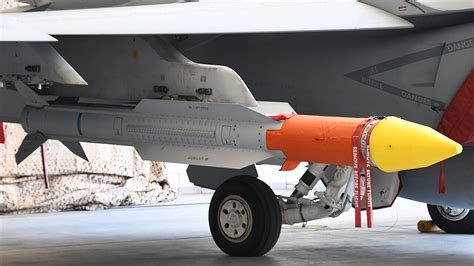
The SM-6 (AIM-174B) is a versatile missile originally designed for naval air defense but adapted for air-to-air and air-to-surface missions. Key specifications include:
- Speed: Capable of reaching speeds up to Mach 3.5.
- Guidance System: Active radar homing for precision targeting.
- Range: When launched from an aircraft at high altitude, its range extends beyond 400 km.
- Warhead: 64 kg high-explosive warhead, capable of neutralizing enemy aircraft and missile threats.
- Weight: Approximately 860 kg, requiring substantial payload considerations.
F/A-18E/F Super Hornet Configuration
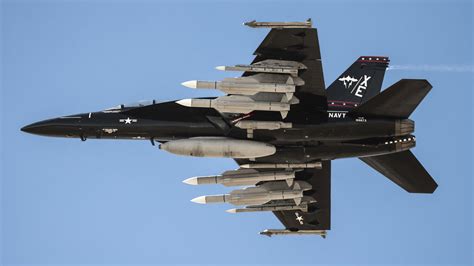
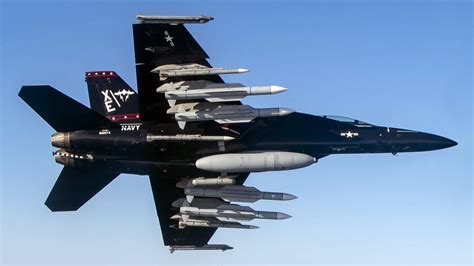
The Super Hornet, a multi-role carrier-based fighter, has been modified to accommodate the AIM-174B. The current loadout includes:
- 4 AIM-174B SM-6 missiles mounted on wing pylons.
- 3 AIM-120 AMRAAMs, providing additional air-to-air capability.
- 2 AIM-9X Sidewinders, ensuring close-range combat effectiveness.
- Infrared targeting pod, enhancing precision strike capabilities.
- Total payload: Over 4.1 tons of ordnance, balancing offensive reach with operational agility.
Strategic Advantages
Extended Range and Standoff Capability
The air-launched SM-6 significantly extends the Navy’s strike range, surpassing the 240 km of its naval counterpart. When deployed from the Super Hornet at high altitude, the AIM-174B can reach distances exceeding 460 km. This allows U.S. forces to engage enemy bombers, aerial tankers, and incoming cruise missiles well beyond visual range, reducing the risk to carrier strike groups in contested environments like the Pacific.
Multi-Role Flexibility
Unlike traditional air-to-air missiles, the AIM-174B retains the SM-6’s multi-role functionality, enabling:
- Air-to-air interception against high-value enemy aircraft.
- Anti-ship strikes, supporting maritime operations.
- Land-attack capabilities, providing deep-strike options.
- Ballistic missile defense, when equipped with advanced tracking systems.
This adaptability ensures superiority in complex combat scenarios, making the Super Hornet a formidable platform for both offensive and defensive operations.
Countering Peer Threats
The retirement of the AIM-54 Phoenix in 2004 left a critical gap in the Navy’s ability to engage long-range aerial threats. The introduction of the AIM-174B re-establishes this capability, providing an effective countermeasure against China’s PL-15/PL-21 and Russia’s R-37M long-range missiles. This enhances the Navy’s ability to neutralize threats before they can launch their own weapons, increasing survivability in high-threat environments.
Operational Deployment and Testing
Testing and Evaluation
The VX-9 “Vampires” test squadron has been instrumental in evaluating the Super Hornet-SM-6 integration, conducting:
- High-altitude launch trials, validating extended-range performance.
- Coordination with F-35C Lightning II fighters, leveraging the Naval Integrated Fire Control-Counter Air (NIFC-CA) network for advanced targeting.
- Engagement simulations against maneuvering targets, proving effectiveness in dynamic combat scenarios.
Current Deployment
As of 2024, the AIM-174B is operationally deployed with Carrier Air Wing Two (CVW-2) aboard the USS Carl Vinson (CVN-70). This marks its combat-ready status, providing carrier strike groups with enhanced engagement capabilities in real-world operations.
Future Developments
Block IB Variant: Enhanced Hypersonic Interception
A new variant, the SM-6 Block IB, is under development, with an expected deployment by 2025. This version aims to counter hypersonic threats, further strengthening the F/A-18’s role in next-generation missile defense. The Block IB will feature:
- Improved propulsion, increasing speed beyond Mach 4.
- Enhanced guidance systems, enabling engagements against maneuvering hypersonic missiles.
- Expanded range, offering greater standoff capability.
Synergy with Other Platforms
The F/A-18E/F Super Hornet can operate in tandem with:
- F-35 Lightning II fighters, utilizing their advanced sensors for target acquisition.
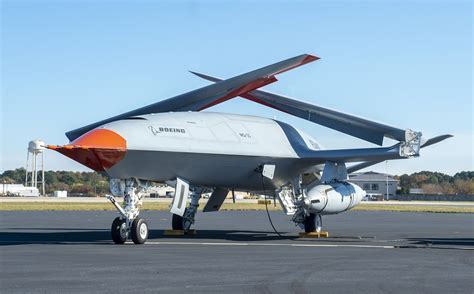
- MQ-25 Stingray aerial refueling drones, extending mission endurance.
- Aegis-equipped naval vessels, for seamless networked warfare.
These integrations create a layered defense strategy, ensuring multi-domain superiority.
Challenges and Limitations
Payload Trade-offs
While the SM-6 provides unparalleled range and capability, its size and weight limit the Super Hornet’s ability to carry additional weapons or fuel. This necessitates careful mission planning to optimize effectiveness without compromising operational endurance.
Cost and Maintenance
The SM-6 missile is expensive, with unit costs in the millions of dollars. Sustained deployments require significant logistical and financial investments, posing budgetary challenges for widespread adoption.
Conclusion
The integration of the SM-6 missile with the F/A-18E/F Super Hornet represents a major advancement in U.S. Navy airpower. This combination redefines long-range engagement strategies, providing a highly flexible and potent tool for modern warfare. While challenges remain, its deployment signals a strategic shift toward countering advanced aerial threats in an era of great-power competition.
FAQ
1. What makes the AIM-174B different from other air-to-air missiles?
The AIM-174B (air-launched SM-6) differs from standard air-to-air missiles like the AIM-120 AMRAAM by offering extended range (460+ km), multi-role capability (air-to-air, anti-ship, and land-attack), and high-speed interception (Mach 3.5).
2. Why is the Super Hornet-SM-6 combination important for the U.S. Navy?
This integration restores the Navy’s ability to counter long-range threats, addressing gaps left by the retirement of the AIM-54 Phoenix and providing a credible countermeasure against Chinese and Russian long-range missiles.
3. When will the upgraded SM-6 Block IB be operational?
The SM-6 Block IB, designed to counter hypersonic threats, is expected to enter service by 2025, further strengthening the F/A-18’s role in future air combat scenarios.