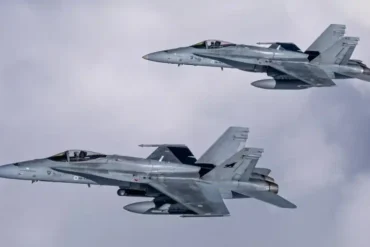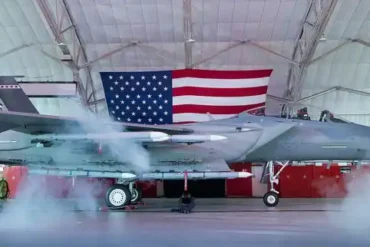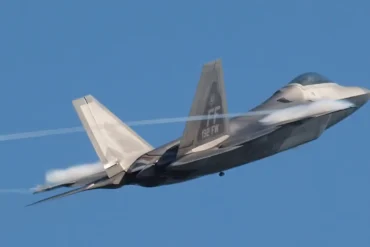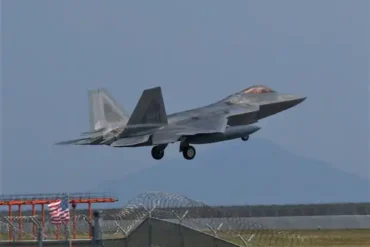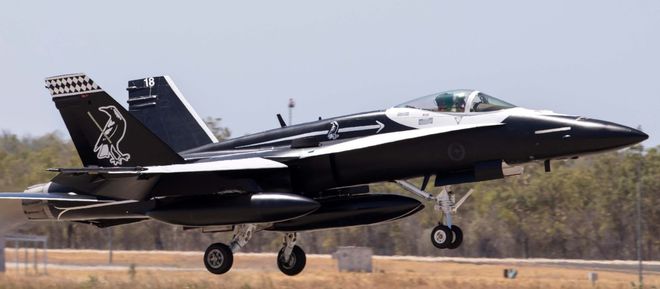
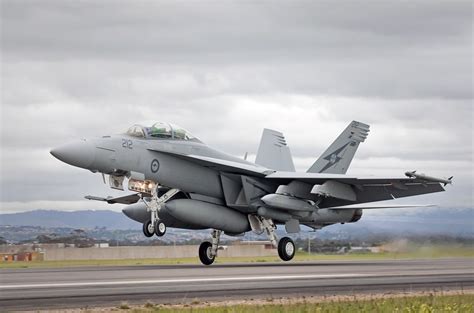
The F/A-18 Hornet played a crucial role in the Royal Australian Air Force (RAAF) for over three decades. Purchased to replace the Dassault Mirage III, these multi-role fighter aircraft underwent extensive upgrades before their retirement in favor of the F-35A Lightning II. While officially retired in 2021, their fate remains a topic of discussion, with potential international transfers and continued strategic interest.
Acquisition and Service History
In 1981, Australia placed an order for 75 F/A-18 Hornets, comprising 57 single-seat F/A-18A and 18 two-seat F/A-18B variants. Deliveries occurred between 1985 and 1990, providing the RAAF with a versatile fleet capable of air superiority, ground attack, and reconnaissance missions.
During its 36-year service life, the Hornet saw multiple upgrades to ensure its relevance in modern combat environments. The aircraft participated in various joint exercises and international operations, demonstrating its adaptability and effectiveness. However, the introduction of fifth-generation fighters led to its eventual retirement.
Performance Upgrades and Combat Capabilities
To maintain operational superiority, Australia invested significantly in modernizing its Hornet fleet between 1999 and 2007. These upgrades included:
- AN/APG-73 radar replacement, improving target tracking and engagement range.
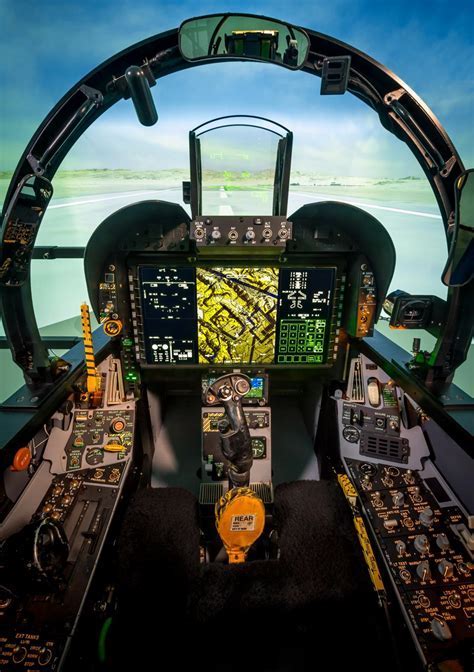
- Integration of Helmet-Mounted Display Systems (HMDS) for enhanced situational awareness.
- Addition of LITENING targeting pods for precision-guided strikes.
- Compatibility with AIM-132 ASRAAM, providing improved short-range air-to-air combat performance.
Enhanced Strike Capabilities
In 2006, Australia equipped its F/A-18s with Joint Air-to-Surface Standoff Missiles (JASSM), extending their strike range beyond 360 kilometers. This upgrade significantly bolstered long-range precision strike capabilities, allowing deep penetration into enemy territory while maintaining operational safety.
Retirement and Aftermath
By 2021, all RAAF F/A-18 Hornets were retired, replaced by the technologically superior F-35A Lightning II. However, the question of their post-service utilization remains a topic of global interest.
Transfer to Canada
In 2017, 25 retired F/A-18s were sold to Canada, helping sustain their CF-188 Hornet fleet. Canada required additional aircraft to bridge the capability gap before its transition to newer fighter jets.
Remaining Stock and Storage
As of 2024, 41 retired F/A-18s remain in storage at a RAAF base in northern Sydney. Some aircraft are maintained in a condition that allows rapid reactivation, should the need arise.
Ukraine’s Request and Potential Deployment
With ongoing conflicts requiring additional air assets, Ukraine formally requested these surplus F/A-18s in 2023. The primary reason for this request was the delayed delivery of F-16s from Western allies.
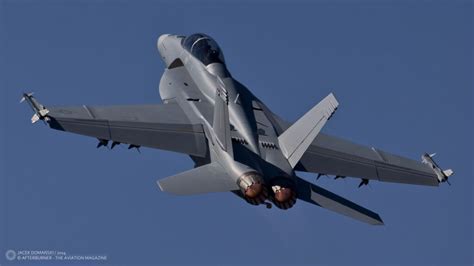
Experts, including retired Australian military officials, argue that the F/A-18’s structural durability and maintenance efficiency make it well-suited for Ukraine’s rugged, austere airfields. Additionally, the U.S. has signaled approval, suggesting that political barriers to such a transfer may be minimal.
Comparison: F/A-18 vs. F-16
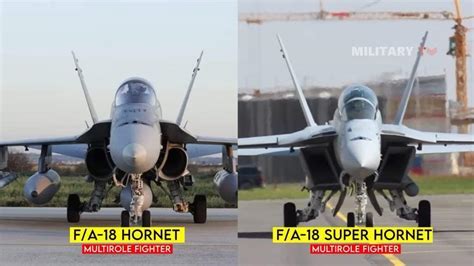
A critical debate surrounding Ukraine’s fighter acquisition strategy is the comparison between F/A-18 and F-16 platforms. Each aircraft has distinct operational advantages:
- Dual-Engine Reliability: The F/A-18’s twin-engine design enhances survivability over combat zones, reducing the risk of catastrophic failure compared to the single-engine F-16.
- Multi-Mission Flexibility: The F/A-18 supports both air-to-air and precision ground-strike missions, making it a versatile asset.
- Advanced Weapons Compatibility: Equipped with JASSM and Western air-to-ground munitions, the F/A-18 can engage high-value targets deep within enemy lines.
Conclusion
The F/A-18 Hornet remains a potent fighter despite its official retirement from the RAAF. With its advanced upgrades, reliability, and strategic value, it continues to be relevant in modern conflict discussions. Whether through Canadian service extensions or potential transfers to Ukraine, these aircraft could still contribute significantly to international air power dynamics.
Frequently Asked Questions
1. Why did Australia retire the F/A-18 Hornet?
Australia phased out the F/A-18 Hornet due to the introduction of the more advanced F-35A Lightning II, which offers superior stealth, sensor fusion, and combat capabilities.
2. Are any retired Australian F/A-18s still operational?
Yes, 41 aircraft remain in storage, with some kept in a condition that allows for rapid reactivation if necessary.
3. What advantages does the F/A-18 have over the F-16?
The F/A-18 features dual engines for enhanced reliability, advanced air-to-ground capabilities, and compatibility with modern weapon systems, making it a formidable choice for high-intensity operations.