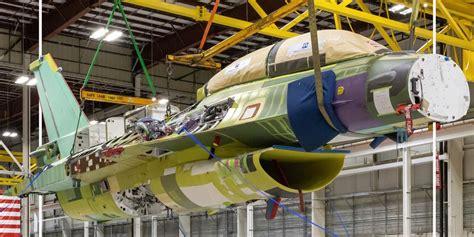
Greenville, South Carolina — Lockheed Martin’s decision to reduce its Greenville workforce by approximately 10 percent has sent ripples through the Upstate’s defense sector. This strategic cut, announced in June 2025, follows the U.S. Air Force’s choice not to extend the company’s depot sustainment contract for the F-16 Fighting Falcon, one of the most iconic and enduring fighter jets in the world.
The move is not just a corporate recalibration; it’s a reflection of shifting military priorities and competitive contract landscapes in the U.S. defense industry. While the number of affected employees remains unclear, the implications are deeply felt in a region where aerospace manufacturing is a critical economic pillar. The Greenville facility has long stood as a beacon of advanced defense capability, housing the only U.S.-based industry depot for F-16s and offering full-spectrum support for both domestic and allied air forces.
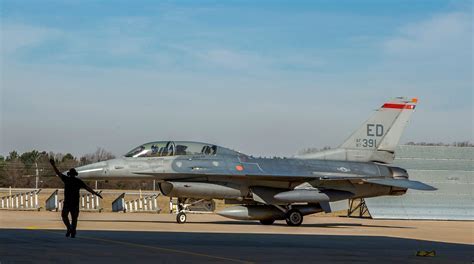
Lockheed Martin’s Contract Loss Signals Changing Priorities in U.S. Air Force Sustainment Strategy
The $900 million F-16 CONUS Depot contract, awarded in 2020 to Lockheed Martin Aeronautics, represented a significant milestone in the U.S. Air Force’s modernization journey. Administered by the Air Force Life Cycle Management Center and specifically through the F-16 System Program Office, the deal positioned the Greenville facility as a major player in sustaining nearly half of the Air Force’s fighter fleet.
The contract covered a wide range of responsibilities including depot-level maintenance, aircraft modification, programmatic tasks, and unplanned drop-in repairs. Lockheed Martin’s role was particularly strategic because, as the original equipment manufacturer (OEM) of the F-16, the company possessed unmatched technical insight into optimizing and modernizing the aircraft.
But the contract’s expiration—and the Air Force’s decision not to renew—suggests a pivot in how the Department of Defense is allocating resources. Budget constraints, shifting fleet priorities, and the increasing focus on 5th-generation platforms like the F-35 may have influenced this course correction.
The company’s statement noted that the workforce reduction was a “difficult decision” made after careful evaluation, adding that Lockheed Martin remains committed to supporting affected employees with outplacement services and career counseling.
A Facility with a Storied Legacy and Strategic Role in the U.S. Defense Ecosystem
Opened in 1984, Lockheed Martin’s Greenville Operations facility has grown into one of the country’s most important aerospace maintenance and manufacturing hubs. Best known today as the production line for the F-16 Fighting Falcon, the facility also provides nose-to-tail modification, maintenance, repair, and overhaul (MRO) services for a variety of military and civil aircraft.
Beyond the F-16, the site has supported legacy platforms like the C-130 Hercules, P-3 Orion, KC-10 Extender, and C-9 Skytrain, contributing significantly to Lockheed’s broader sustainment and lifecycle support strategies. Its reputation for operational efficiency and technical excellence has made it a preferred site for both U.S. and international clients seeking advanced aerospace solutions.
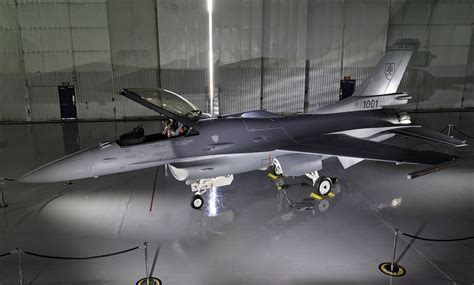
At the peak of the F-16 CONUS contract, the Greenville site operated 12 dock spaces dedicated solely to depot-level activities for the Air Force’s Fighting Falcon fleet. These docks handled everything from airframe reconditioning to structural modifications and avionics upgrades, often turning around aircraft in timelines that exceeded government standards.
The F-16: Still a Global Workhorse Despite Contract Setbacks
Though the F-16 has been in service since the 1970s, it remains one of the most versatile and widely used fighter aircraft in the world. It accounts for approximately 45 percent of the U.S. Air Force’s fighter fleet and continues to serve in more than 25 allied air forces globally.
Officials have frequently emphasized the F-16’s status as the most affordable and capable 4th-generation fighter, a fact that helps explain why demand remains strong abroad. Its adaptability, mission flexibility, and proven combat record make it attractive not just for traditional military engagements, but for emerging roles in reconnaissance and electronic warfare.
Lockheed Martin’s own materials describe the jet as “a partnership enabler,” thanks to its advanced interoperable systems, which allow it to operate seamlessly with newer-generation aircraft and across multiple international airframes.
The non-renewal of the sustainment contract, therefore, doesn’t reflect a waning of the F-16’s overall importance—but rather a recalibration of where and how that sustainment work gets done. For Lockheed Martin, this means refocusing on international deliveries and upgrades, especially with more than 100 next-generation F-16s (Block 70/72) currently in the production backlog.
Economic Reverberations in the Upstate Region
For the Upstate of South Carolina, the Lockheed Martin facility has long been more than just an employer—it’s a linchpin in the region’s high-tech industrial economy. Local suppliers, logistics partners, and even academic institutions like Clemson University and Greenville Technical College have ties to the facility, either through partnerships or workforce development programs.
The exact number of employees affected by the workforce reduction remains undisclosed, but estimates suggest the figure could be in the hundreds, depending on how the staffing reductions are implemented across departments. The company has promised transitional support for laid-off workers, but the short-term economic impact—especially in specialized technical roles—will be closely watched by regional planners.
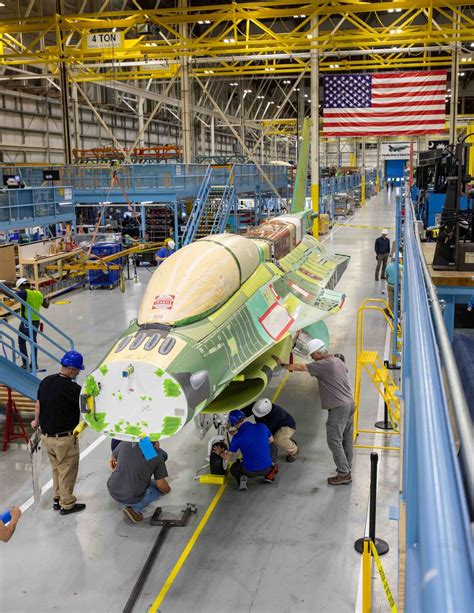
Still, optimism remains strong among elected officials and economic development leaders. U.S. Representative William Timmons (R-SC) was quick to underscore Lockheed Martin’s long-term importance to the region, stating:
“While the Air Force’s decision not to extend a specific contract will result in a workforce adjustment, the long-term outlook for this site is strong. With over 100 next-generation F-16s currently in the production backlog for U.S. allies and continued global demand, Greenville is well-positioned for future growth.”
Timmons’ comments reflect a broader consensus that Greenville’s aerospace sector is resilient—buoyed not only by defense contracts, but also by private sector innovations and ongoing interest from international customers.
Looking Ahead: Strategic Realignment, Not Retrenchment
The narrative of Lockheed Martin’s Greenville operations is not one of decline, but of strategic realignment. As the U.S. military continues to reimagine its force structure for 21st-century threats—emphasizing AI, cyber capabilities, and next-gen platforms—facilities like Greenville are being asked to evolve as well.
Lockheed Martin is expected to continue investing in the site, particularly in the production of new F-16 variants and possibly in expanding its civil aviation services. The plant’s infrastructure and skilled workforce offer a solid foundation for future programs, whether they be military upgrades or dual-use technology applications.
Additionally, the global demand for F-16s remains robust, with recent deals inked with countries like Bulgaria, Slovakia, and Jordan. These contracts ensure that production and support activity will remain high, keeping Greenville relevant not just to the U.S. defense ecosystem, but to the broader allied security architecture.
Conclusion: Greenville’s Role in the Future of Defense Innovation
The 10 percent workforce reduction at Lockheed Martin’s Greenville facility marks a sobering moment in the site’s history—but not a defining one. It reflects the reality of evolving military contracts and procurement strategies, but it does not overshadow the site’s central role in global defense innovation.
From its history as a depot for legacy aircraft to its current status as the heart of the F-16 production line, Greenville remains a cornerstone of Lockheed Martin’s strategic footprint. With new aircraft on the horizon, sustained international interest, and a robust ecosystem of local talent and infrastructure, the future for this South Carolina site remains compellingly strong.
For those watching the defense sector closely, Greenville will be a place to watch—not just for what is being scaled back, but for what is yet to come.