Instrument flying is a precision art, governed by tightly defined procedures and visibility requirements. When operating under Instrument Flight Rules (IFR), pilots must often approach airports enveloped in poor weather, relying solely on instruments to descend through layers of cloud and reduced visibility. A critical juncture occurs at minimums—the decision height or minimum descent altitude—where a pilot must determine whether it is safe to proceed to land. The question we address is: when can you legally descend below minimums on an instrument approach?
Understanding Minimums in Instrument Approaches
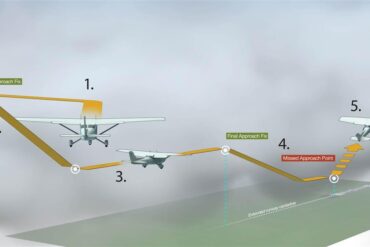
The term “minimums” refers to the lowest altitude to which a pilot may descend during an instrument approach without having the required visual references in sight. These are clearly outlined in approach charts and vary based on the type of procedure: precision approaches (e.g., ILS) have a Decision Altitude (DA), while non-precision approaches (e.g., VOR, RNAV) use a Minimum Descent Altitude (MDA).
Per FAR 91.175(c), a pilot may only descend below the published minimums if three specific criteria are met:
- The aircraft must be in a position to make a normal descent to the runway using standard maneuvers and descent rates.
- The flight visibility, as observed from the cockpit, must be at or above the visibility minimums published for the approach.
- The pilot must be able to visually identify specific components of the runway environment, as defined by regulation.
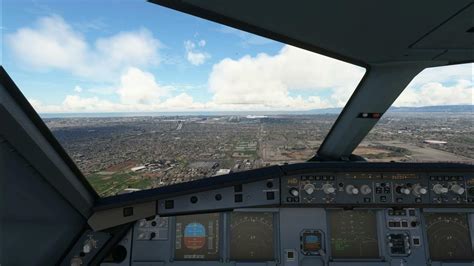
These three pillars form the backbone of legal descent below minimums. Let’s examine them in detail.
Visual Conditions Required to Descend Below Minimums
The regulation does not merely state that you must “see the runway.” Instead, it provides a list of approved visual references that signal a safe transition from instrument flight to landing. These references fall into two main categories: those that allow descent to 100 feet above the Touchdown Zone Elevation (TDZE) and those that authorize continued descent to landing.
Descent to 100 Feet Above TDZE
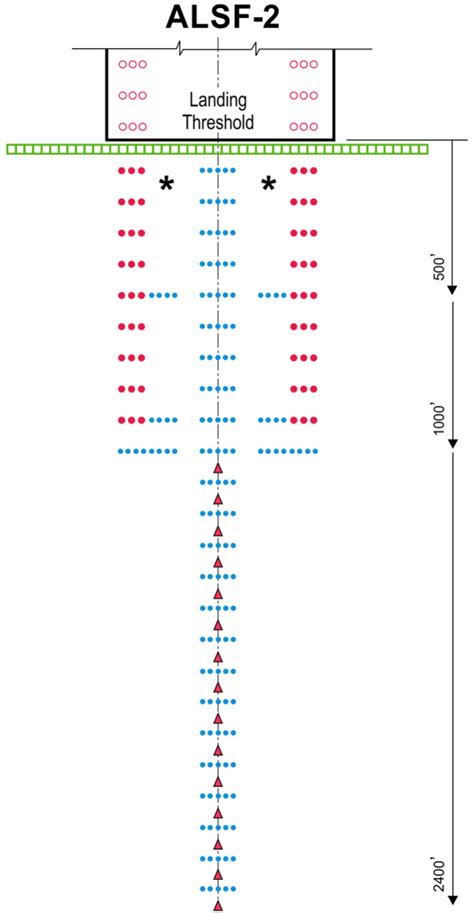
If a pilot sees only the Approach Lighting System (ALS)—but no other runway environment cues—they may descend to 100 feet above the touchdown zone elevation. This provision is especially critical in conditions of low visibility, where approach lights may be the only identifiable feature until the final moments of the approach.
Approach light systems that qualify include:
- MALSR (Medium Intensity Approach Lighting System with Runway Alignment Indicator Lights)
- ALSF-1/ALSF-2 (Approach Light System with Sequenced Flashing Lights)
- SSALR (Simplified Short Approach Lighting System with Runway Alignment Indicator Lights)
At the 100-foot threshold, however, the pilot must transition from partial to full visual reference. If no additional cues are visible, a missed approach is mandatory.
Descent to Landing
To legally continue below 100 feet—and land—a pilot must have one or more of the following visual references clearly in sight:
- Red terminating bars or red side row bars (part of ALSF-1/2)
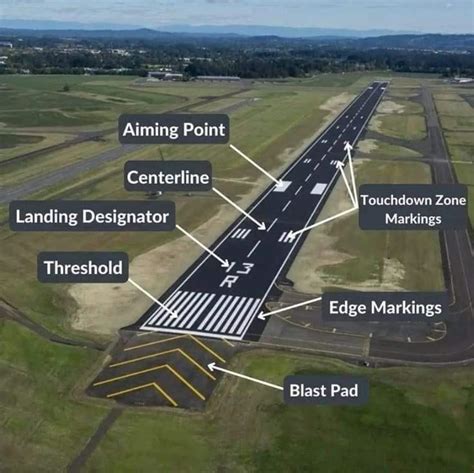
- Runway threshold or threshold markings
- Threshold lights
- Runway End Identifier Lights (REILs)
- Visual approach slope indicators, such as VASIs or PAPIs
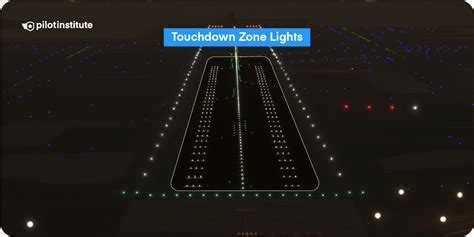
- Touchdown zone or touchdown zone markings/lights
- Runway itself, its markings, or runway edge lights
These visual elements indicate not only the presence of a runway but also help confirm its alignment and suitability for landing under instrument meteorological conditions (IMC).
Normal Descent Path and Maneuvering Considerations
Even if visibility is sufficient and visual references are identified, descent below minimums is only legal if the aircraft is on a normal, stable approach path. FAR 91.175(c)(1) mandates that the pilot must be able to descend using normal maneuvers at a normal descent rate, typically between 500 to 700 feet per minute on final approach.
This requirement protects against so-called “dive-and-drive” techniques, where pilots aggressively descend at or below MDA in an effort to locate the runway. Such practices can be dangerous, especially in complex terrain or near obstacles.
Flight Visibility vs. Reported Visibility
An often misunderstood aspect of descending below minimums is the role of visibility. The regulation specifies flight visibility, not necessarily reported visibility. In practice, this means that even if the ATIS or METAR reports visibility below minimums, a pilot may continue to land if the visibility from the cockpit meets or exceeds the required minimums for the approach.
This places a significant burden of judgment on the pilot but also provides operational flexibility. However, caution must be exercised to avoid subjective interpretation. The observed visibility must clearly support identification of the required runway environment.
Where to Find Visual Reference Information
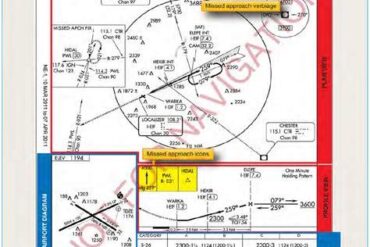
Pilots can locate visual references and lighting systems for each approach on the instrument approach plate and airport diagram. The top of the approach chart usually details the lighting configuration (e.g., MALSR, ALSF-2). The airport diagram will also specify the runway lighting type—such as HIRL (High Intensity Runway Lights)—and whether visual glideslope indicators are available.
Familiarity with this information before entering IMC is critical. It prepares pilots to recognize the cues at a glance when visibility is limited to mere seconds of reaction time.
Training the Eye: Practice and Proficiency
Beyond regulatory compliance, the ability to safely descend below minimums depends heavily on pilot proficiency. Recognition of runway lighting, slope indicators, and visual cues is a learned skill. At tower-controlled airports, lighting systems may remain off during the day in Visual Meteorological Conditions (VMC)—but pilots can always request the tower to activate lights for training or familiarization.
At non-towered fields, using CTAF (Common Traffic Advisory Frequency) to activate lighting systems helps build practical experience. Seeing the lights in both day and night conditions aids in rapid visual identification during actual low-visibility operations.
Why These Rules Matter: Safety and Decision Making
The temptation to “press on” when weather is near minimums is common, but FAR 91.175(c) provides clear boundaries. It is not just a matter of legality but safety, discipline, and operational integrity. Descending below minimums without meeting all three criteria risks Controlled Flight Into Terrain (CFIT), runway overruns, or unstable landings.
Furthermore, these rules foster standardized decision-making among pilots and flight crews, ensuring predictable actions in challenging weather. This consistency is crucial in busy terminal environments and shared airspace.
Conclusion: Precision and Judgment at Minimums
The decision to descend below minimums is one of the most critical junctures in IFR flying. According to FAR 91.175(c), it is permissible only when:
- The pilot sees the required visual references.
- The aircraft is in position to make a normal descent.
- The observed visibility supports continued flight to landing.
By mastering these requirements and continuously training to recognize the visual runway environment, instrument-rated pilots uphold the highest standards of safety and professionalism.
Understanding and applying these rules is not just about compliance—it is about ensuring that every descent ends safely and confidently on solid ground.