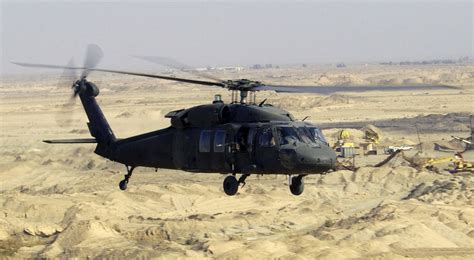
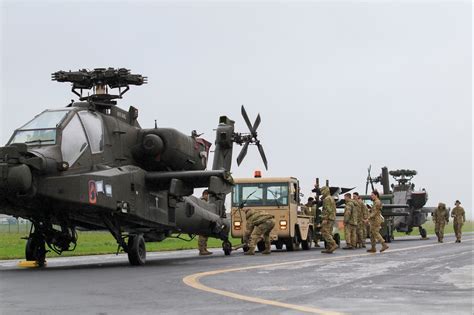
Tomorrow evening, the skies above Big Spring, Texas will thunder with the unmistakable sound of rotor blades as a formation of U.S. military helicopters makes its scheduled arrival at McMahon-Wrinkle Airpark. This rare and dramatic event, confirmed by Airpark Director Mike Feeley, will see the landing of more than five AH-64 Apache attack helicopters and an equal or greater number of UH-60 Black Hawk utility helicopters.
While earlier statements estimated the group at exactly five aircraft per model, updated briefings now suggest an even larger fleet is en route. Accompanying military personnel will also remain overnight in Big Spring, bringing a distinct military presence to the area.
Routine Military Stop, Not Cause for Alarm
Amid the inevitable buzz that such a movement will stir, Feeley was quick to allay any public concern. “This is a routine transit stop for the U.S. military,” he emphasized. “There is no emergency or threat—this is simply military aircraft passing through and using our facilities for the night.”
McMahon-Wrinkle Airpark’s long runway and expansive ramp space have made it a strategic waystation for military aviation units navigating across Texas and the broader Southwest corridor. Its ability to accommodate large military aircraft and tactical helicopters places it on regular rotation for overnight refueling and staging stops.
Residents may hear or see the incoming fleet after dark, a timing that could be mistaken for something more serious. Local authorities are advising the public not to be alarmed by the sudden appearance of military helicopters or uniformed soldiers in and around the airpark area.
Behind the Rotors: Aircraft Details and Capabilities
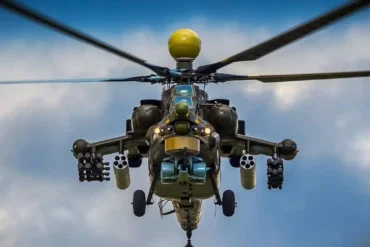
The AH-64 Apache, renowned as the U.S. Army’s primary attack helicopter, is a twin-turboshaft, heavily armed rotorcraft designed for all-weather day-and-night operations. With a maximum speed of over 150 knots (about 173 mph) and equipped with a 30mm M230 chain gun, AGM-114 Hellfire missiles, and Hydra 70 rocket pods, the Apache is an airborne predator optimized for close air support and anti-armor warfare.
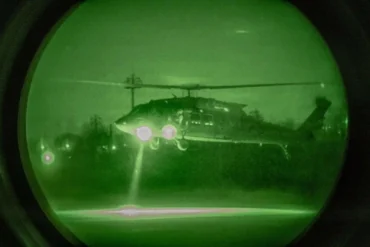
The UH-60 Black Hawk, by contrast, is a versatile utility helicopter with a wide mission profile, from troop transport and medevac to command and control, and even disaster response. It boasts a top speed of roughly 183 mph, can carry up to 11 combat-loaded troops, and is often fitted with door-mounted M240 machine guns.
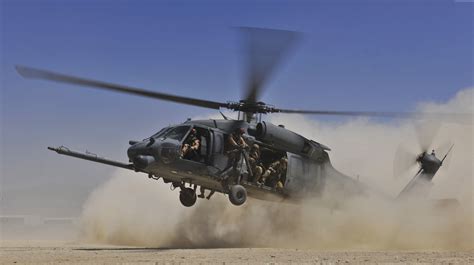
Together, the Apaches and Black Hawks represent tactical mobility, firepower, and support capability—the very backbone of U.S. Army Aviation.
Strategic Geography: Why Big Spring Matters
Nestled in Howard County, McMahon-Wrinkle Airpark has emerged as a strategic pitstop on the military’s aerial logistics map. Its location is ideal for southwest-to-southeast and north-to-south transits, offering both fueling logistics and a low-profile overnight site. The airpark’s facilities allow for rapid landing, refueling, rest, and redeployment—all critical elements in maintaining the U.S. military’s tempo of operations.
Although the purpose of this specific flight remains undisclosed—a standard security measure for transient military activities—the timing and size of the group strongly suggest either a training relocation, inter-base transfer, or a coordination mission in support of joint readiness objectives.
What Local Residents Should Expect
Residents in and around Big Spring are advised to prepare for:
- Loud rotary-wing aircraft noise especially during the evening hours.
- Increased ground movement around the airpark.
- Temporary visibility of military uniforms in public areas, likely around lodging or dining establishments.
There is currently no specified departure time for the helicopters. They are expected to leave sometime the following morning, depending on mission and weather conditions. Those seeking updated information are encouraged to contact McMahon-Wrinkle Airpark directly at (432) 264-2362.
Conclusion: A Rare Spectacle in Big Spring’s Skies
This helicopter stopover may be a routine maneuver for the U.S. Army, but for the residents of Big Spring, it will undoubtedly be a memorable sight and sound event. From the thudding approach of rotor blades to the silhouetted forms of America’s most advanced helicopters against the West Texas dusk, the arrival marks a fleeting but remarkable military moment in the heart of Howard County.
As always, situational awareness, public calm, and appreciation for the military’s service remain the best responses to this high-profile aerial visit.