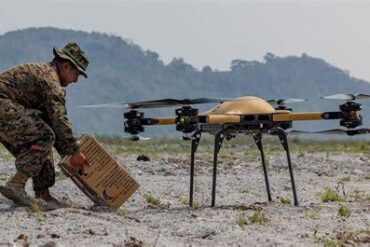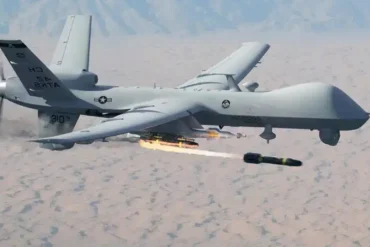
In recent decades, unmanned aerial vehicles (UAVs), also known as military drones, have revolutionized how modern militaries operate on the battlefield. From surveillance and reconnaissance missions to precision strikes, drones have become an indispensable part of military arsenals worldwide. While most people are familiar with drones like the Predator and Reaper, many are surprised by the sheer size of these technological marvels. In fact, many military drones are as large as some of the most advanced manned aircraft. But just how big are these military drones? This article delves deep into the sizes of the most common and notable military drones, as well as a detailed comparison across different models.
What is the Largest Military Drone?
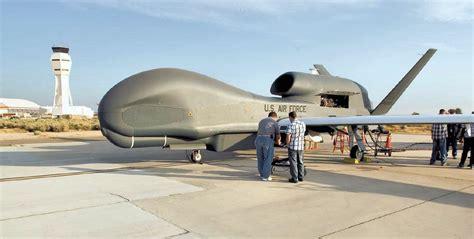
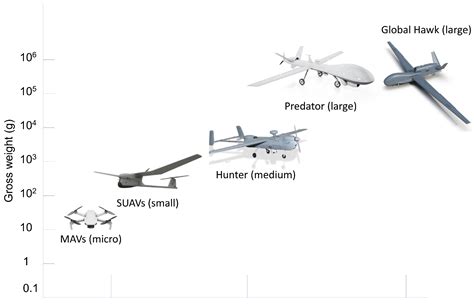
The RQ-4 Global Hawk holds the title for the largest military drone in service today. Manufactured by General Atomics Aeronautical Systems (GA-ASI), this surveillance drone has become an essential asset for the United States Air Force (USAF). The RQ-4 Global Hawk boasts an impressive length of 47.6 feet and a wingspan of 130 feet, making it comparable in size to a large commercial aircraft. With a maximum takeoff weight of 14,950 pounds, it is capable of flying at altitudes of over 60,000 feet and can remain airborne for more than 30 hours. This massive drone can be deployed for various missions, including surveillance, reconnaissance, and even armed strikes with its Hellfire missile capabilities.
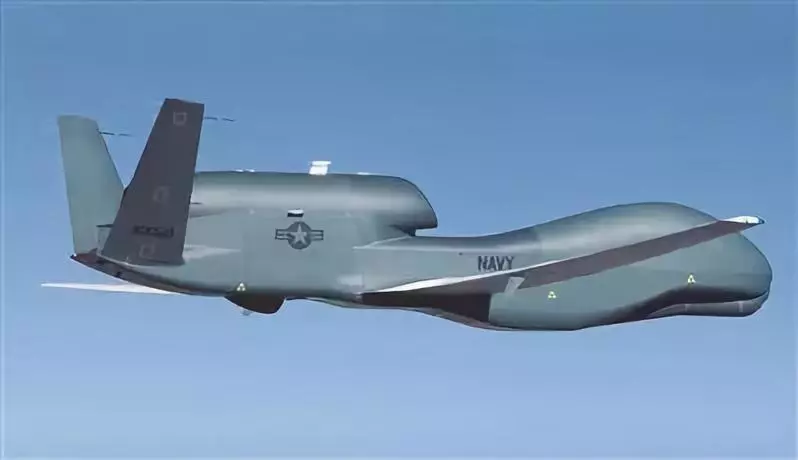
The Global Hawk was first developed in the early 1990s as part of the United States’ Tier II medium-altitude endurance project. Since its introduction, the Global Hawk has seen numerous upgrades and has been widely used for intelligence, surveillance, and reconnaissance (ISR) purposes. Its ability to provide high-resolution imagery and real-time data makes it invaluable for military operations around the globe.
Different Classifications of Military Drones
Military drones are divided into various categories based on their size, weight, and intended mission. These classifications help military personnel and strategists understand the capabilities of each UAV. The Department of Defense (DoD) in the United States, for instance, categorizes drones into five distinct groups based on their weight and usage.
Group 1 – AeroVironment Wasp AE
At the smallest end of the spectrum, we find the AeroVironment Wasp AE. This small drone is lightweight and portable, with a wingspan of 29 inches. Weighing only 2 pounds, the Wasp AE is often carried into the field by military personnel in a backpack. Despite its small size, this drone is capable of flying at speeds of up to 40 mph and remains airborne for around 45 minutes. The Wasp AE is primarily used for surveillance and observation in areas where larger drones would be impractical or too conspicuous.
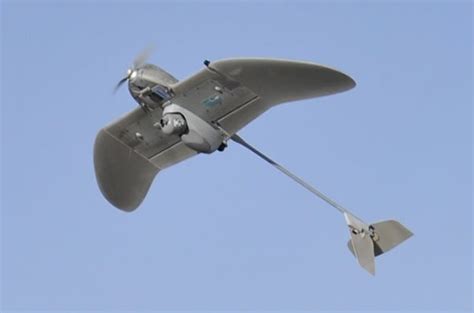
Group 2 – Insitu ScanEagle (Boeing)
The ScanEagle is a step up in size and capability. This drone weighs around 40 kilograms (88 pounds) and has a wingspan of 10 feet. Unlike other UAVs, the ScanEagle does not require a runway for takeoff and landing. Instead, it launches from a catapult-style launcher and lands using a recovery hook system. This UAV is used for real-time surveillance and fire mapping and has become a crucial tool in fighting wildfires. It can remain in the air for up to 24 hours, providing continuous surveillance in high-risk areas.
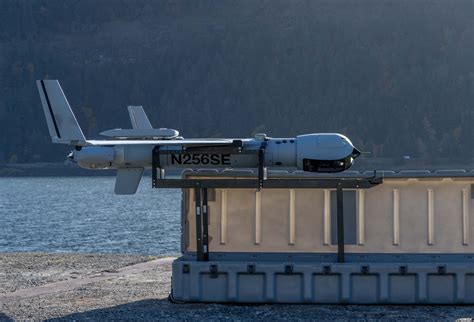
Group 3 – Insitu RQ-21 Blackjack
The RQ-21 Blackjack is similar in design to the ScanEagle but much larger. With a wingspan of 15 feet and a weight of approximately 50 pounds, the Blackjack is capable of carrying up to 55 pounds of payload, such as cameras and sensors. This drone is used for a wide range of surveillance tasks and is particularly useful in maritime and coastal operations. The Blackjack has been deployed on several military operations globally, providing critical intelligence and data during combat and reconnaissance missions.
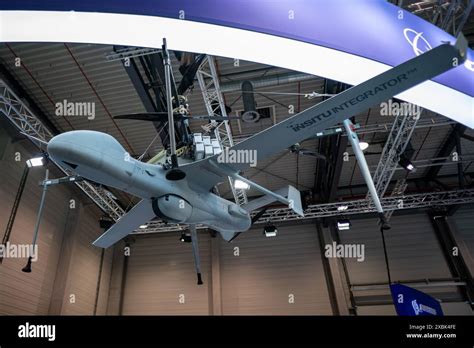
Group 4 – General Atomics MQ-1 Predator
The MQ-1 Predator is one of the most iconic military drones. First introduced in the mid-1990s, the Predator is still in service today. With a wingspan of 50 feet and a maximum weight of 2,250 pounds, this drone has the ability to fly for up to 24 hours at speeds of 135 mph. The MQ-1 is commonly used for armed reconnaissance, and it can be equipped with Hellfire missiles for precision strikes. The Predator was also the first military drone to gain fame for its use in targeted strikes, making it one of the most recognized drones globally.
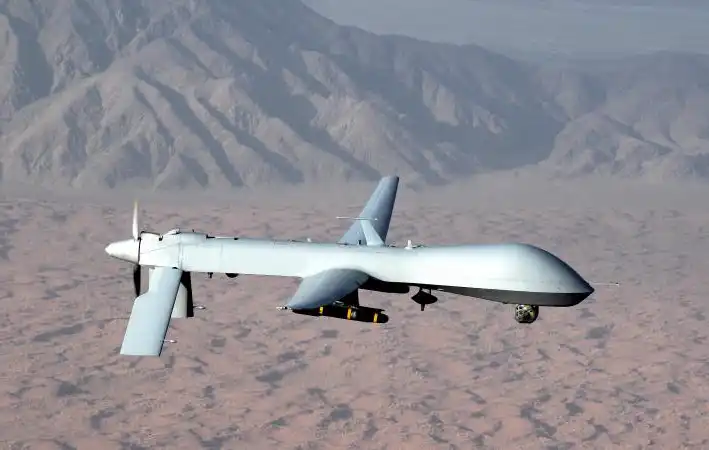
Group 5 – General Atomics MQ-9 Reaper (Predator B)
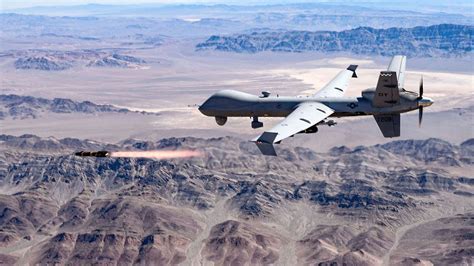
The MQ-9 Reaper, also known as the Predator B, is one of the largest and most powerful military drones currently in service. With a wingspan of 66 feet and a maximum weight of 10,500 pounds, the Reaper can carry an impressive payload of 3,750 pounds of weapons and sensors. The Reaper can fly at speeds of 300 mph and reach altitudes of over 50,000 feet, making it an ideal platform for long-duration, high-altitude missions. It can remain in the air for more than 14 hours and is primarily used for surveillance, reconnaissance, and precision strikes.
Conclusion
The size of military drones can vary drastically depending on their intended purpose and classification. While some UAVs like the Wasp AE and ScanEagle are small and lightweight, others like the Global Hawk and MQ-9 Reaper are large, complex platforms designed for extensive missions. The RQ-4 Global Hawk, with its vast wingspan of over 130 feet, remains the largest military drone currently in operation. These drones serve critical roles in modern military operations, including surveillance, reconnaissance, and precision strikes. The evolution of military drones has not only revolutionized military tactics but has also changed how conflicts are fought across the globe. As drone technology continues to advance, we can expect even more powerful and larger UAVs to emerge, continuing to shape the future of warfare.

![Big Drones & Heavy Lift Drones: A Comprehensive Guide for Drone Pilots [New for 2025]](https://boltflight.com/wp-content/uploads/2025/05/big-drones-heavy-lift-drones-comprehensive-guide-drone-pilots-new-2025-370x247.jpg "Big Drones & Heavy Lift Drones: A Comprehensive Guide for Drone Pilots [New for 2025]")