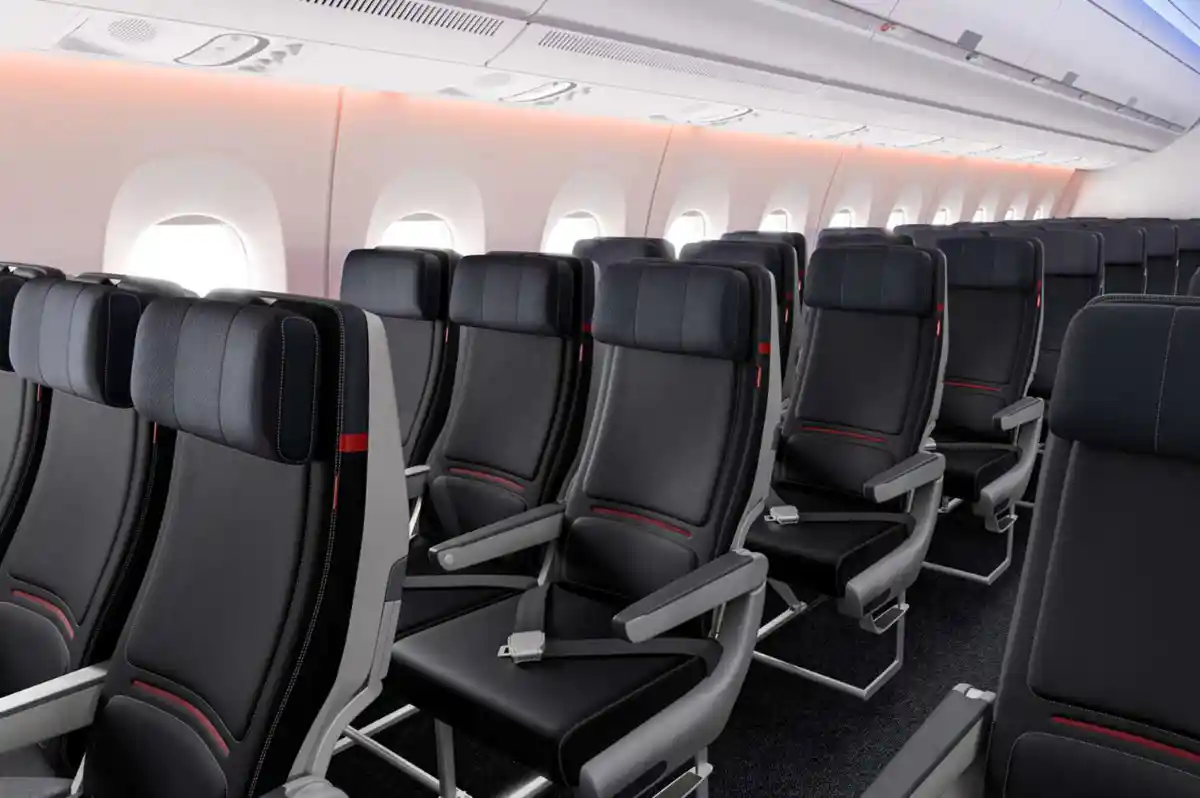
For decades, commercial aviation was built around a simple assumption: most passengers wanted the same basic product. Airlines filled aircraft with standard economy seats, added a few premium rows at the front, and relied on high passenger volume to keep the business model profitable. The middle of the cabin was where most travelers lived, and it represented the economic foundation of global air travel.
That model is now rapidly disappearing. The modern airline industry is becoming increasingly divided between two extremes: premium travelers willing to pay for comfort, privacy, and convenience, and ultra-budget passengers focused almost entirely on the lowest possible fare. The traditional middle-class airline experience, where passengers expected reasonable comfort and included services at a moderate price, is becoming harder to sustain.
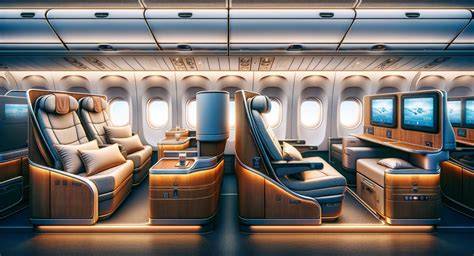
The transformation is not simply a change in seat design. It represents a fundamental shift in how airlines think about revenue, aircraft space, customer behavior, and profitability. Airlines are no longer focused only on filling every seat. Instead, they are trying to maximize the financial value of every square foot inside an aircraft cabin.
The result is what many aviation analysts describe as a barbell market. At one end, airlines are expanding business class suites, premium economy cabins, and luxury services. At the other end, they are creating increasingly restricted basic fares designed to compete with low-cost carriers. The comfortable middle option between these extremes is becoming the least attractive business proposition.
Why Standard Economy Lost Its Position As The Airline Industry’s Core Product
Standard economy once represented the perfect balance between affordability and service. Passengers received a seat, a checked baggage allowance on many routes, basic flexibility, and a relatively consistent travel experience. Airlines depended on these passengers because millions of economy tickets created reliable revenue streams.
However, the economics behind standard economy have changed dramatically. Higher fuel prices, rising labor costs, expensive airport operations, and increased aircraft ownership costs have reduced the profitability of traditional economy seating. A seat that generates a small amount of revenue but occupies valuable cabin space is becoming less attractive compared with higher-yield alternatives.
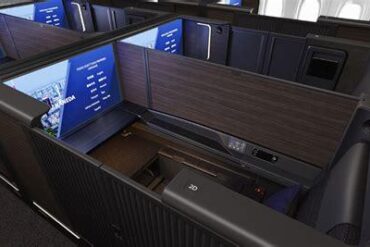
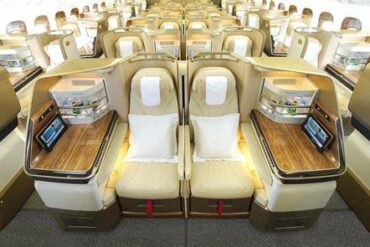
Airlines discovered that the same aircraft area used for several economy seats could often generate significantly more revenue when converted into premium seating. A business class suite may occupy the space of multiple economy seats, but the revenue difference can justify the reduction in passenger capacity.
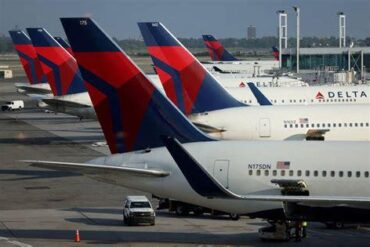
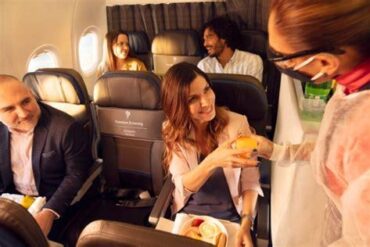
Legacy carriers began responding by redesigning their entire product strategy. Instead of offering one main cabin experience, they created multiple levels of travel. At the front, passengers receive lie-flat seats, private suites, premium dining, and enhanced service. At the back, travelers can purchase extremely low fares with additional fees for nearly every optional service.
The traditional middle became trapped between these two models. It lacked the exclusivity that attracts high-paying customers and lacked the low-cost structure required to compete purely on price.
Premium Cabins Become The New Profit Engine
The biggest winners in the changing airline economy have been premium cabins. Airlines increasingly recognize that affluent leisure travelers have become just as important as corporate passengers.
Business travel was historically the foundation of premium cabin demand. Companies paid high fares because employees needed flexibility, comfort, and productivity during international trips. However, after the pandemic changed workplace patterns, airlines realized that premium leisure travelers could replace some lost corporate demand.
Many passengers are now willing to spend more on personal travel. Long vacations, special occasions, remote work flexibility, and loyalty rewards have encouraged travelers to upgrade. Airlines have responded by expanding premium economy and business class capacity across their fleets.
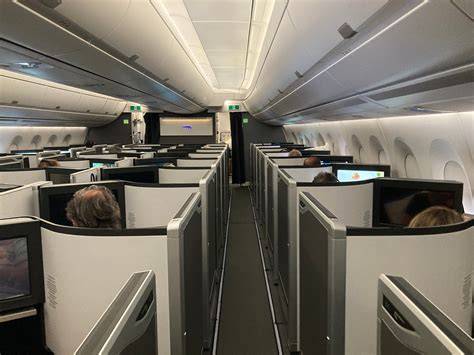
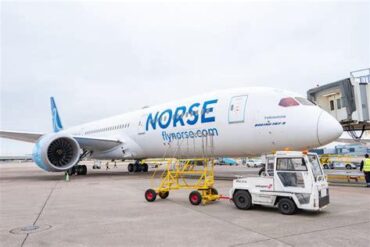
Modern widebody aircraft such as the Boeing 787 Dreamliner and Airbus A350 are increasingly designed around premium revenue. Airlines are installing larger business class sections, adding direct aisle access, and introducing more spacious premium economy seats.
The reason is simple: premium passengers generate higher revenue per square foot. A passenger paying several thousand dollars for a long-haul business class ticket can produce more income than multiple economy passengers combined.
This has changed aircraft planning. Airlines are no longer asking only how many passengers an aircraft can carry. They are asking how much revenue each cabin zone can generate.
Basic Economy Changed The Battle For Low Fares
While airlines expanded premium offerings, they also moved aggressively into the low-cost market. The introduction of basic economy fares allowed traditional airlines to compete directly with ultra-low-cost carriers.
Basic economy created a cheaper advertised price while removing many traditional benefits. Seat selection, ticket changes, baggage options, and boarding priority often became additional purchases.
For airlines, this strategy solved several problems. They could appear competitive on online booking platforms while encouraging customers who wanted convenience to pay more for upgraded fares.
This created enormous pressure on pure ultra-low-cost carriers. Their main advantage was historically based on offering the cheapest ticket available. But when major network airlines could match those prices through basic economy, the difference became much smaller.
The ultra-budget model depended on having a significant cost advantage. Airlines operating this way relied on efficient aircraft utilization, lower operating expenses, secondary airports, and strict cost control. As wages, fuel costs, and airport fees increased, many of these advantages weakened.
The Crisis Facing Ultra-Low-Cost Airlines
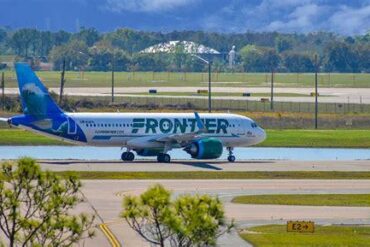
The traditional ultra-low-cost carrier formula is facing one of its most difficult periods in history. For years, airlines built their brands around extreme simplicity: a low base fare followed by additional charges for optional services.
This approach worked when passengers had limited alternatives. Today, however, major airlines have copied many elements of the low-cost model while maintaining stronger networks, loyalty programs, and brand recognition.
Passengers comparing flights online often see similar headline prices between legacy airlines and budget operators. When the price difference is small, many travelers choose the airline offering better schedules, more destinations, or stronger loyalty benefits.
As a result, many low-cost airlines are changing direction. Instead of remaining purely focused on the cheapest possible transportation, they are introducing products that appeal to higher-value customers.
Some carriers are adding extra-legroom seats, improved boarding options, bundled fares, and even premium seating concepts. The goal is to increase revenue without abandoning their cost-conscious identity.
The industry is moving toward a hybrid approach where airlines attempt to capture customers across multiple spending levels.
Loyalty Programs Are Accelerating Airline Segmentation
Another major force behind this transformation is the growth of airline loyalty programs. Frequent flyer programs are no longer simple rewards systems. They have become powerful financial platforms generating billions in revenue through partnerships, especially with credit card companies.
Airlines use loyalty programs to create long-term customer relationships. A traveler may choose a more expensive ticket because they want elite status, lounge access, upgrade opportunities, or additional rewards.
This allows airlines to protect premium revenue even when passengers are technically price-sensitive.
Credit card partnerships have also changed who can access premium travel. Business class and airport lounge experiences were once dominated by executives traveling for work. Today, many leisure travelers gain access through reward points, upgrade certificates, and spending-based benefits.
At the same time, basic economy restrictions encourage passengers to move upward within the airline’s pricing system. A traveler who wants baggage flexibility, seat selection, or priority boarding may find that paying slightly more creates a better overall value.
Airlines have effectively transformed the customer journey into a series of carefully designed upgrade opportunities.
Aircraft Interiors Are Being Redesigned Around Revenue
The disappearance of the middle is visible before passengers even board an aircraft. Airline cabin engineers are redesigning layouts around revenue optimization rather than simple passenger capacity.
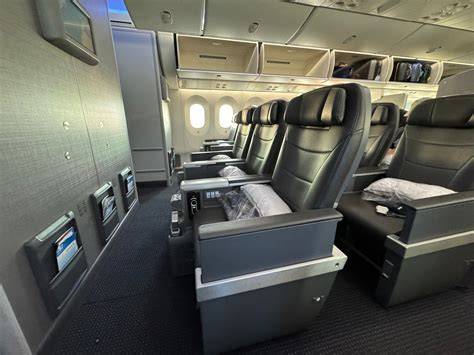
On many long-haul aircraft, airlines are reducing traditional economy seating while expanding premium zones. Business class suites, premium economy recliners, and enhanced first-class products are taking more cabin space.
Even narrowbody aircraft are experiencing this shift. Modern Airbus A321neo and Boeing 737 MAX aircraft are increasingly configured with more premium seating for longer domestic and regional routes.
This represents a major change from previous decades when airlines attempted to maximize seat count. Today, maximizing revenue density is more important than maximizing passenger numbers.
The aircraft cabin has effectively become a financial map, with every section designed for a specific customer group.
The Future Of Commercial Aviation Will Be More Divided
The airline industry is entering a period where passengers will have fewer traditional expectations. The idea of a standard economy ticket including many services is gradually disappearing.
Future travelers will likely face a clearer choice. They can select a low-cost fare with limited services, or they can pay more for additional comfort, convenience, and flexibility.
The middle option will continue shrinking because airlines cannot easily justify offering a moderate product at a moderate price. Without a powerful loyalty ecosystem, premium brand image, or extremely low operating costs, the middle position offers limited protection.
The airlines that succeed will be those that understand customer segmentation. Premium travelers will continue demanding better experiences, while budget travelers will continue searching for affordable transportation. Airlines that can serve both groups effectively will have the strongest financial foundation.
Commercial aviation has always evolved with changing passenger expectations. The next chapter is not about everyone receiving the same experience. It is about airlines creating different products for different customers and extracting maximum value from every passenger.
The era of the universal economy cabin is ending. The future of air travel belongs to premium luxury at one extreme and ultra-budget efficiency at the other.