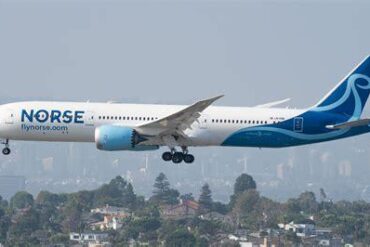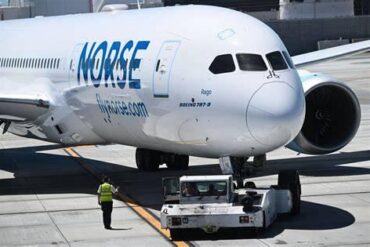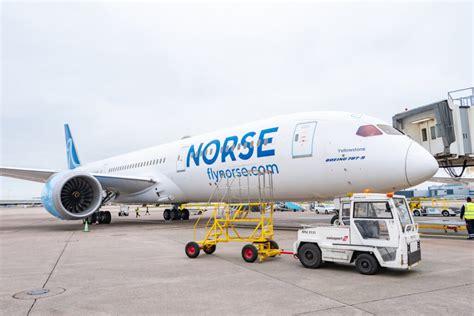
Norse Atlantic Airways has introduced a groundbreaking new direct flight service from Manchester to Bangkok, marking a pivotal shift in how UK travelers approach winter getaways to Southeast Asia. Utilizing the Boeing 787-9 Dreamliner, this once-weekly nonstop route addresses a long-standing gap in the market and promises to transform the affordability, convenience, and comfort of long-haul leisure travel during the colder months.
This new service provides travelers from northern England a rare chance to bypass the layovers in Middle Eastern and European hubs, which have historically dominated the Manchester–Bangkok corridor. Norse’s strategic launch not only taps into pent-up demand but also positions Manchester Airport as a viable international departure point for high-demand long-haul destinations.
Direct Route Fills a Long-Ignored Market Need
For years, travelers between Manchester and Bangkok endured long journeys riddled with stopovers in cities like Doha, Dubai, Frankfurt, or Istanbul. Despite a strong travel demand—over 105,000 round-trip passengers annually—direct flights were conspicuously absent due to route length, cost concerns, and an assumed low yield. That status quo is now overturned by Norse Atlantic, which offers a nonstop flight that slashes travel times by several hours and eliminates the layover fatigue.
The new flight route not only responds to clear market data but delivers a valuable alternative for leisure travelers, Thai diaspora, digital nomads, and long-stay holidaymakers. By making Thailand more accessible from a regional airport, Norse is positioning itself as a disruptor in a niche ripe for innovation.
Efficient Schedule with Strategic Aircraft Use
The newly inaugurated service operates with the following schedule:
- Departure from Manchester: Wednesdays at 23:30
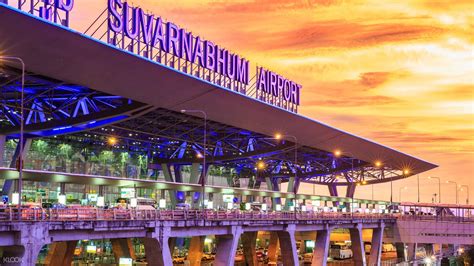
- Arrival in Bangkok (Suvarnabhumi International Airport): Thursdays at 18:00 local time
- Return from Bangkok: Thursdays at 20:00
- Arrival in Manchester: Fridays at 02:15
The flight duration clocks in at approximately 13 hours and 15 minutes, delivering a seamless travel experience that avoids the 20+ hour itineraries common with one-stop options. This schedule ensures Norse can maintain tight operational efficiency while catering to the demand for overnight flights, a preference for many long-haul travelers seeking rest during the journey.
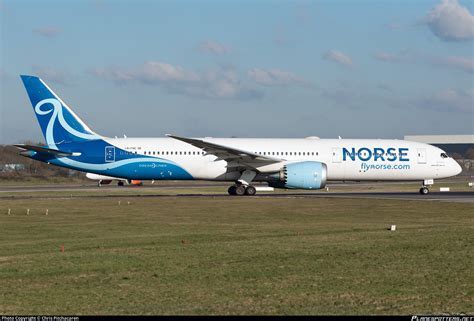
Boeing 787-9: The Backbone of Norse’s Long-Haul Vision
The choice of the Boeing 787-9 Dreamliner underlines Norse’s commitment to modern, fuel-efficient, passenger-friendly travel. With its lower cabin altitude, higher humidity, and reduced noise levels, the Dreamliner is engineered to minimize jet lag and maximize in-flight comfort. The aircraft is also known for its cost-effective operations, allowing Norse to maintain competitive fares without sacrificing service quality.
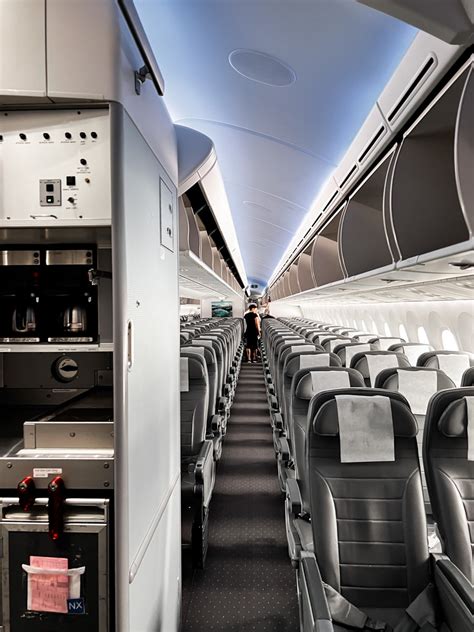
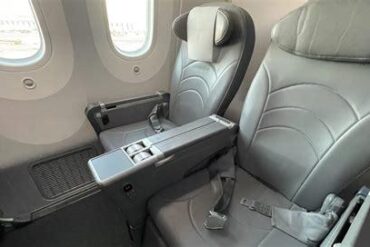
Inside the cabin, travelers can choose from:
- Economy Light: starting at £357 one-way, includes a carry-on bag, personal item, and in-flight entertainment.
- Economy Classic and Flextra: add options like checked baggage, meal service, and seat selection.
- Premium Economy: offers generous legroom, recline, and enhanced meals, delivering near business-class comfort at a fraction of the cost.
This tiered fare model allows passengers to customize their flight experience while staying within budget—an increasingly popular model in the post-pandemic era where value and flexibility dominate travel decisions.
Winter Strategy Anchored in Southeast Asia
The timing of the Manchester–Bangkok launch aligns with Norse Atlantic’s broader winter-season strategy, which pivots toward high-demand Asian destinations. Alongside the new UK-Thailand route, Norse is also launching weekly flights from Oslo and Stockholm to Phuket, capitalizing on Thailand’s perennial appeal to European travelers escaping harsh winters.
Thailand’s year-round tourism market, combined with stable infrastructure and consistent demand, makes it an ideal winter destination. Unlike the Caribbean, where Norse has pulled back due to profitability concerns, Thailand offers a better balance of yield potential and passenger volume. For the airline, this shift not only ensures optimal aircraft utilization during off-peak transatlantic periods but also builds brand loyalty in Asia-bound leisure markets.
A Disruptive Model Challenging Legacy Giants
Norse’s Manchester–Bangkok route is more than just a convenient flight. It’s a direct challenge to legacy carriers like Emirates, Qatar Airways, Lufthansa, and British Airways, all of whom rely on hub-and-spoke models that require time-consuming connections. These airlines dominate long-haul traffic by leveraging vast global networks—but they often do so at the expense of direct efficiency and fare transparency.
By skipping stopovers and stripping away excess frills, Norse’s point-to-point model minimizes operational complexity and offers significant savings to customers. This appeals especially to younger travelers, those with fixed budgets, and the growing segment of digital-first nomads who prioritize freedom and cost-effectiveness over luxury.
Moreover, the route could prove vital to the large Thai community in the UK, particularly in northern regions, who frequently travel for family visits and extended stays. For these passengers, the convenience and cost reduction of a nonstop option can’t be overstated.
Regional Empowerment: Manchester Rises as a Global Gateway
London may be the UK’s aviation capital, but Norse’s latest move sends a strong signal: regional airports like Manchester are ready to lead in long-haul, budget-friendly connectivity. This democratization of access is not only empowering for passengers but also vital for decentralizing national air traffic.
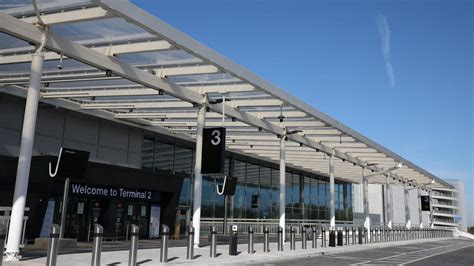
Manchester Airport, the UK’s third busiest, has long sought to expand its intercontinental offerings. Norse’s route validates this ambition and provides the airport with a strategic boost as it positions itself as a serious player in European-Asian connectivity.
The success of this new route could prompt similar services to other underserved but high-potential markets in Asia. It also sends a signal to other low-cost carriers: with the right aircraft and strategy, long-haul from regional hubs is no longer a gamble—it’s an opportunity.
A Calculated Approach to Long-Term Growth
Launching with just one weekly flight, Norse is clearly taking a measured approach. This allows the airline to monitor performance, manage costs, and adjust capacity with minimal exposure. However, if passenger numbers are strong—and early indicators suggest they will be—the route could be expanded to multiple weekly services or even daily frequencies during peak seasons.
This flexibility mirrors Norse’s broader business model: agile, data-driven, and responsive to market signals. It’s a strategy born out of necessity in a post-COVID airline landscape where consumer patterns have shifted, and loyalty is driven more by price, convenience, and reliability than legacy brand recognition.
Future Prospects: Shaping New Norms in Intercontinental Travel
As Norse Atlantic continues to scale its winter-season Asia network, the success of the Manchester–Bangkok route could herald a new era in long-haul budget aviation. If it proves sustainable, the model may be replicated to other UK regional airports like Birmingham, Edinburgh, or even Bristol, opening new pathways for travelers and reshaping traditional airline route planning.
In doing so, Norse isn’t just flying passengers to Bangkok. It’s redefining what it means to fly long-haul in the 21st century—making it more affordable, more efficient, and ultimately more traveler-focused.
For now, all eyes are on this ambitious new link between England’s north and Thailand’s capital. As travelers book their winter escapes and bypass long stopovers for the first time, the airline’s promise of “low-cost, long-haul, done right” is finally taking off—both literally and figuratively.