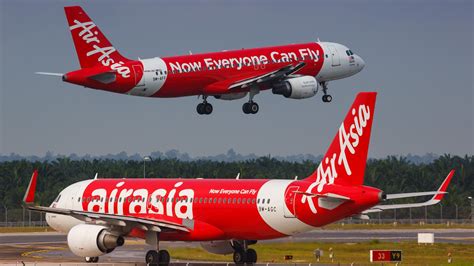
AirAsia has significantly strengthened its Southeast Asian network by launching a new direct service between Hải Phòng, Vietnam, and Bangkok, Thailand. This bold move is designed to enhance regional travel and tourism links, bridging two dynamic cities with four weekly flights and tapping into a rapidly growing market of leisure and business travelers.
Strategic Expansion to Connect Key Economic and Cultural Hubs
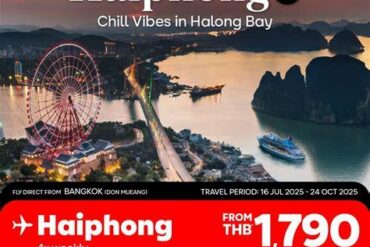
The newly introduced route between Hải Phòng and Bangkok marks a strategic milestone for AirAsia. Operated by Thai AirAsia, the service is now available every Monday, Wednesday, Friday, and Sunday, offering travelers increased flexibility and convenience. This move comes as part of a broader initiative to make international travel more accessible and affordable for both Vietnamese and Thai citizens.
With the addition of this route, AirAsia reinforces its status as the airline with the most direct connections between Bangkok and Vietnamese cities. It currently flies to six Vietnamese destinations — Hà Nội, Ho Chi Minh City, Đà Nẵng, Nha Trang, Phú Quốc, and now Hải Phòng — with flight frequencies that include:
- 25 flights weekly to HCM City
- 21 to both Hà Nội and Đà Nẵng
- 7 to Nha Trang and Phú Quốc
- 7 flights weekly from Chiang Mai to Hà Nội
This extensive network empowers travelers across both countries with a reliable and cost-effective gateway into Southeast Asia’s cultural and economic heartlands.
Hải Phòng: A Rising Star in Northern Vietnam’s Tourism Landscape
Hải Phòng, once known primarily as a maritime and industrial center, is rapidly emerging as one of Vietnam’s top tourism destinations. Positioned just a short drive from the iconic Hạ Long Bay in Quảng Ninh Province, the city is drawing attention for its unique combination of heritage, architecture, cuisine, and coastal charm.
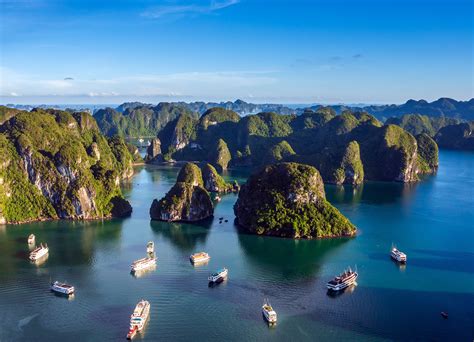
From its colonial-era architecture and bustling markets to its distinct northern Vietnamese street food scene, Hải Phòng delivers a rich, immersive experience that appeals to both domestic and international visitors. The city’s tourism appeal is further elevated by its close proximity to UNESCO-listed Hạ Long Bay, providing travelers with easy access to limestone karsts, turquoise waters, and luxurious cruises.
According to recent data from the Hải Phòng Department of Culture, Sports, and Tourism, the city welcomed 7.54 million visitors in the first half of 2025 — a remarkable 28.1% increase over the previous year. This explosive growth not only showcases Hải Phòng’s increasing popularity but also underscores the importance of improving international connectivity to the city.
Bangkok: Southeast Asia’s Beating Travel Heart
On the other end of the route is Bangkok, a city that remains the epicenter of Southeast Asian tourism. Known for its vibrant street life, majestic temples, luxury retail, and a food culture that ranges from sizzling street stalls to Michelin-starred restaurants, Bangkok offers something for every traveler. It’s a city where the past and future coexist, where centuries-old temples stand beside gleaming skyscrapers and cutting-edge tech hubs.
As a regional aviation hub, Bangkok serves as a gateway to the rest of Asia, and this makes the connection to Hải Phòng especially significant. The new route not only gives Vietnamese tourists more direct access to Thai culture but also allows Thai travelers and international visitors transiting through Bangkok to explore Northern Vietnam without backtracking to Hà Nội.

Promotional Fares Signal AirAsia’s Competitive Intent
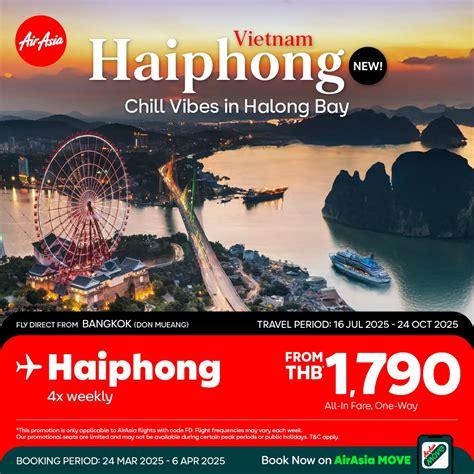
To mark the launch of this vital link, AirAsia unveiled a limited-time promotional fare, offering one-way tickets starting at just 1,790 Thai baht (approximately $55 USD). This promotion runs from July 16 to July 27, 2025, with travel dates between July 28 and October 24, 2025. Tickets are available via the AirAsia MOVE app and the airline’s official website.
These introductory fares are part of AirAsia’s broader effort to stimulate demand and make air travel more inclusive. By maintaining a pricing strategy that emphasizes value and affordability, the airline is positioning itself as a leader in low-cost international connectivity while also ensuring that budget-conscious travelers can continue to explore new destinations.
Inaugural Flight Celebrations Reflect Cultural Significance
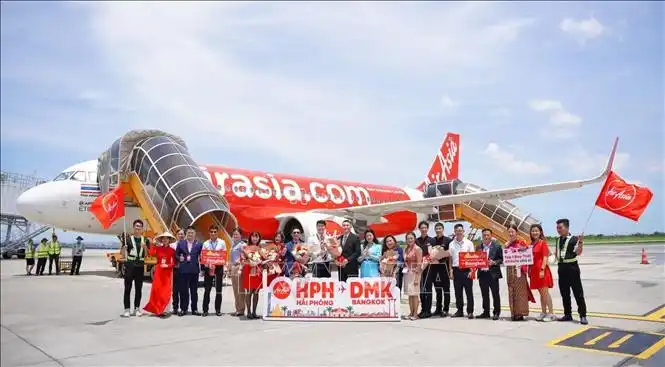
AirAsia celebrated the maiden flight between Hải Phòng and Bangkok with festive welcome ceremonies at both Don Mueang International Airport in Thailand and Cát Bi International Airport in Vietnam. Passengers on the inaugural flight were greeted with cultural performances and hospitality that showcased the spirit of partnership between the two cities.
These launch events are emblematic of AirAsia’s approach to community engagement and its efforts to foster people-to-people connections through aviation. More than just a transport link, the new service is a bridge between two cultures, encouraging mutual understanding and economic collaboration.
Economic and Tourism Impact of the New Route
The direct connection is expected to deliver significant economic and tourism benefits to both cities. For Hải Phòng, the increase in international arrivals could lead to a boom in hospitality, retail, and local transport industries. This inflow of visitors may also boost investments in tourism infrastructure, including hotels, tour services, and travel agencies.
Similarly, for Bangkok, the route enhances its role as a regional connector, attracting travelers from Vietnam to its booming medical tourism, luxury retail, and entertainment sectors. Business travelers stand to benefit as well, given the increasingly strong economic ties between Thailand and Vietnam, particularly in manufacturing, logistics, and services.
Moreover, the route supports regional integration under the ASEAN travel and economic frameworks, promoting easier cross-border movement, trade, and collaboration. As both countries seek to rebuild post-pandemic tourism economies, such air links are vital tools in sustaining growth and job creation.
Strengthening AirAsia’s Competitive Edge in the Region
The addition of Hải Phòng to AirAsia’s Vietnamese destinations is a calculated move that aligns with its vision of being Asia’s leading low-cost carrier. It also consolidates AirAsia’s competitive position in Vietnam’s aviation market, one of the fastest-growing in Asia.
By covering more second-tier Vietnamese cities that are underrepresented in global aviation networks, AirAsia is able to tap into underserved demand while supporting local tourism ecosystems. The airline’s investment in regional connectivity, rather than focusing solely on capital cities, reflects a broader understanding of Southeast Asia’s evolving travel landscape.
Looking Ahead: Broader Implications for Southeast Asia
The launch of this direct route is not just a business decision — it represents a wider trend in Southeast Asian integration, where low-cost carriers like AirAsia play a crucial role in binding the region more closely together. As ASEAN continues to push forward with infrastructure, visa facilitation, and economic harmonization, airlines that can nimbly respond to demand with efficient, affordable connections will shape the next phase of regional development.
For travelers, this means more choices, better prices, and easier access to destinations that once required complex, multi-leg journeys. For local economies, it opens the door to foreign direct investment, tourism-driven income, and job creation.
The new Hải Phòng–Bangkok route thus stands as a beacon of AirAsia’s strategy: practical, impactful, and grounded in regional realities. It speaks to a vision of aviation not just as a business, but as an engine of human connection, economic progress, and cultural exchange.
Final Thoughts
AirAsia’s new direct route between Hải Phòng and Bangkok is a transformative addition to its Southeast Asian network. With competitive pricing, a strong tourism surge in Hải Phòng, and Bangkok’s enduring appeal, this connection is set to become a cornerstone of regional air travel.
In bridging these two cities, AirAsia isn’t just facilitating travel — it’s shaping the future of tourism, diplomacy, and commerce in the ASEAN region.