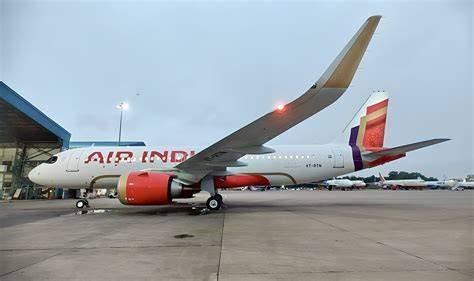
Air India flight AI2379, operated by an Airbus A320neo, encountered severe turbulence during a scheduled journey from Phuket International Airport in Thailand to Delhi Indira Gandhi International Airport on August 4, causing the aircraft to briefly lose around 300 feet (91 meters) of altitude and leaving 17 people injured. The aircraft continued safely to its destination, where emergency medical teams were prepared to assist affected passengers and crew members.
The incident occurred approximately 90 minutes after departure from Phuket, when the aircraft entered an area of intense atmospheric disturbance during cruise flight. The sudden movement caused significant disruption inside the cabin, with unsecured passengers, crew members, and loose items reportedly thrown around. Images and videos shared after landing showed damaged interior panels, scattered belongings, and the aftermath of a frightening experience for those onboard.
The flight was carrying 137 passengers when the turbulence event occurred. Although modern commercial aircraft are designed to withstand powerful aerodynamic forces, sudden turbulence can create dangerous conditions inside the cabin, especially when passengers or crew members are not securely fastened with seat belts. Several passengers suffered injuries, including cuts and other trauma caused by the violent movement.
Severe Turbulence Creates Chaotic Conditions Inside Air India A320neo Cabin
According to passenger accounts, the turbulence struck unexpectedly and created a moment of panic among travelers. One passenger, Viviana, described the experience as terrifying, saying that some people behind her were injured and that one passenger had blood on his face after the aircraft suddenly dropped.
The sudden altitude change was not a sign of aircraft failure. Aviation experts explain that turbulence-related altitude fluctuations are a normal response when an aircraft encounters rapidly changing air currents. However, severe turbulence can produce powerful vertical movements that feel extreme to passengers, even when the aircraft remains completely under control.
Air India confirmed that the aircraft experienced a brief turbulence-related event during the flight and that the crew successfully managed the situation. The flight continued toward Delhi without requiring a diversion, demonstrating the ability of modern aircraft and trained flight crews to handle unexpected atmospheric conditions.
After landing shortly after 11:00 local time, medical personnel met the aircraft to evaluate injured passengers and crew members. At least 17 people required medical attention, with some transported to hospitals for additional treatment while others received precautionary checks.
Air India Confirms Safe Landing as Investigation Examines Turbulence Event
Air India stated that the safety and well-being of passengers and crew remained its highest priority following the incident. The airline is expected to review operational data, weather conditions, and flight information to better understand the circumstances surrounding the turbulence encounter.
Photographs from inside the aircraft showed cracked ceiling panels and damaged cabin fittings. While these components are generally not part of the aircraft’s primary structure, such damage demonstrates the enormous forces generated when passengers and objects are suddenly thrown upward during severe turbulence.
Investigators and aviation specialists will likely focus on several factors, including atmospheric conditions along the flight path, weather forecasting information available to the crew, and the timing of passenger seat belt use. Severe turbulence can sometimes occur with little warning, particularly in cases of clear-air turbulence, which develops without visible storm clouds or obvious weather signs.
The incident also highlights why airlines continue to encourage passengers to keep their seat belts fastened whenever seated, even when the seat belt sign has been turned off. A securely fastened seat belt remains the most effective protection against sudden aircraft movements.
Why Severe Turbulence Remains One of Aviation’s Biggest Safety Challenges
Severe turbulence is relatively rare, but it remains one of the most common causes of injuries during commercial flights. The risk is usually not that the aircraft will break apart, as passenger aircraft are engineered with significant structural strength, but rather that people inside the cabin may be injured by sudden movements.
The Air India event follows growing global attention on turbulence safety after Singapore Airlines Flight SQ321 experienced extreme turbulence over Myanmar in May 2024. That incident resulted in one passenger death and dozens of injuries, leading airlines and aviation authorities to reinforce safety recommendations regarding seat belt usage.
Modern aircraft such as the Airbus A320neo family include advanced systems designed to provide pilots with information about aircraft performance and environmental conditions. However, technology cannot completely eliminate the challenge of unpredictable atmospheric movements.
For the passengers and crew of AI2379, the incident was a frightening reminder that even routine commercial flights can encounter unexpected hazards. Despite the severity of the turbulence, the aircraft landed safely, and the response from the airline and airport medical teams helped ensure injured passengers received immediate assistance.
As aviation authorities continue studying turbulence events, airlines will keep refining procedures and safety practices. The Air India A320neo incident reinforces an important lesson for air travelers worldwide: turbulence may be uncomfortable and sometimes alarming, but proper safety measures remain critical in reducing injuries when the unexpected happens.