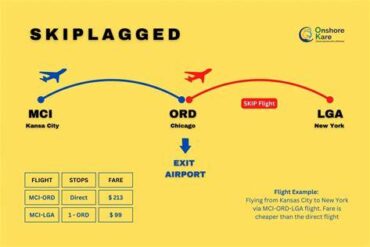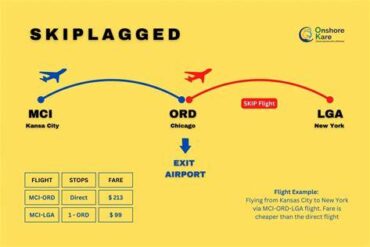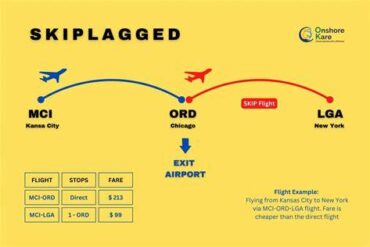
Skiplagging, also known as hidden-city ticketing, is a controversial travel strategy where passengers book a flight with a layover at their actual destination, rather than booking a direct ticket. The concept involves purchasing a cheaper flight that goes beyond the intended destination but disembarks at the layover. For instance, if flying from Los Angeles to Chicago is expensive, but a flight from Los Angeles to New York with a layover in Chicago is cheaper, the traveler books the latter and leaves the airport at Chicago. This technique exploits fare discrepancies but raises ethical, logistical, and legal issues.
While the practice may seem ingenious, skiplagging is fraught with risks. In recent years, airlines have become increasingly vigilant in detecting and penalizing skiplagging. Prominent carriers, particularly American Airlines, have implemented sophisticated software to identify patterns, and there have been cases where passengers faced bans for repeatedly using this hack. To better understand whether skiplagging is worth the potential hassle, it is essential to examine the pros and cons, practical considerations, and evolving airline policies.
The Appeal of Skiplagging: Saving Money on Flights
The primary motivation for skiplagging is saving money. Airline pricing models can be unpredictable and sometimes irrational, with flights to distant cities costing less than shorter, direct routes. For many budget-conscious travelers, the opportunity to save anywhere from $250 to $2,100 can be enticing, especially when travel expenses threaten to outweigh the overall trip budget. This price disparity often results from factors like hub pricing, competitive routes, and market demand.
For travelers who prioritize savings, skiplagging might appear to be a justifiable choice. Indeed, some travelers argue that airlines are unfairly exploiting non-stop flight pricing, making skiplagging a form of consumer resistance. The strategy can be particularly useful for students, freelancers, or those with flexible schedules, who can afford to take the risk and manage unexpected changes. However, there are critical downsides that travelers must weigh carefully.
The Downsides: Penalties, Bans, and Inconveniences
Despite the potential savings, skiplagging is not without consequences. Airlines have begun cracking down on this practice, seeing it as a violation of the terms of service. Passengers caught skiplagging may face:
- Flight Cancellations: If a skiplagging traveler books a round trip and fails to board the second leg, the airline typically cancels the remaining itinerary.
- Permanent Bans: In one widely publicized case, a 17-year-old passenger received a three-year ban from American Airlines for inadvertently revealing his intentions at the gate.
- Forced Check-Ins and Acknowledgments: Some airlines now require in-person check-ins for suspected skiplagging routes, where travelers may have to verbally confirm that they will reach their final destination.
- Loss of Frequent Flyer Miles: In many cases, travelers forfeit mileage credits and elite status when caught.
- Legal Issues: Though not illegal, airlines can pursue legal action for breach of contract.
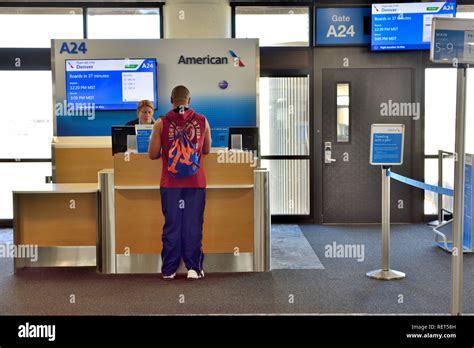
Furthermore, logistical complications arise if travelers check their luggage. Since checked bags are automatically routed to the final destination, retrieving them at a layover is impossible. This limitation forces skiplaggers to travel light, using only carry-ons, which may not always be feasible. Additionally, gate agents may unexpectedly require passengers to check carry-on bags due to space constraints, complicating plans.
Ethical Considerations: Is Skiplagging Justifiable?
Ethically, opinions on skiplagging vary. Some argue that it is a valid consumer practice, asserting that passengers have the right to choose when to disembark. Others view it as deceptive and unfair to both airlines and fellow travelers. Flights may be delayed as crew members search for no-show passengers, inconveniencing others and causing operational disruptions. Critics also point out that skiplagging forces airlines to adjust their pricing models, potentially impacting fares for all passengers.
Tips for Minimizing Risk
For those determined to try skiplagging despite the risks, there are practical ways to reduce exposure:
- Book One-Way Flights Only: Round-trip bookings risk cancellation after the missed leg.
- Avoid Checking Bags: Travel with only carry-ons to maintain flexibility.
- Use a Reliable Search Platform: Sites like Skiplagged.com help find hidden-city fares, but book directly with the airline to avoid third-party complications.
- Stay Low Profile: Never openly discuss skiplagging at the airport or with gate agents.
- Limit Frequency: Airlines are more likely to flag frequent offenders.
- Prepare Excuses: Having a plausible reason for disembarking early, such as sudden illness or family emergencies, can mitigate suspicion.

Final Thoughts: Is It Worth the Trouble?
Skiplagging can be a money-saving technique when used cautiously and infrequently. However, the strategy is inherently risky, and the consequences of getting caught range from flight disruptions to permanent bans from major carriers. For most travelers, the potential stress and long-term implications outweigh the cost savings.
Ultimately, skiplagging is a calculated risk. Travelers must balance the allure of saving money against the potential for logistical nightmares and lost travel privileges. As airlines continue to refine their detection methods, the viability of hidden-city ticketing may dwindle, making it crucial to stay informed and prepared for the unexpected.