Air travel has become a curious social experiment conducted at 35,000 feet. Legroom shrinks, seat width tightens, and the value of personal space quietly skyrockets. Within this pressurized ecosystem, one tactic has earned near-mythical status among frequent flyers: booking the aisle and window seat, then hoping the middle remains gloriously empty. It sounds simple. It feels clever. It sometimes works. But does it cross an invisible line of cabin etiquette?
This strategy sits at the intersection of logic, probability, and human behavior. It is neither purely selfish nor entirely altruistic. Instead, it reflects how modern travelers adapt to airline economics, seat monetization, and the unspoken rules of shared confinement.
Why the Aisle & Window Seat Hack Exists at All
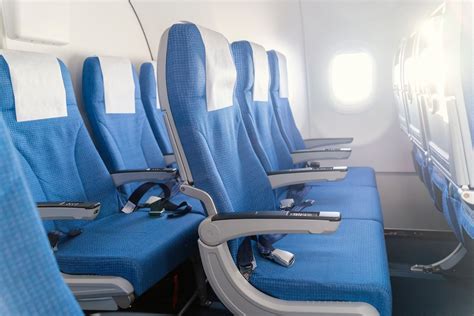
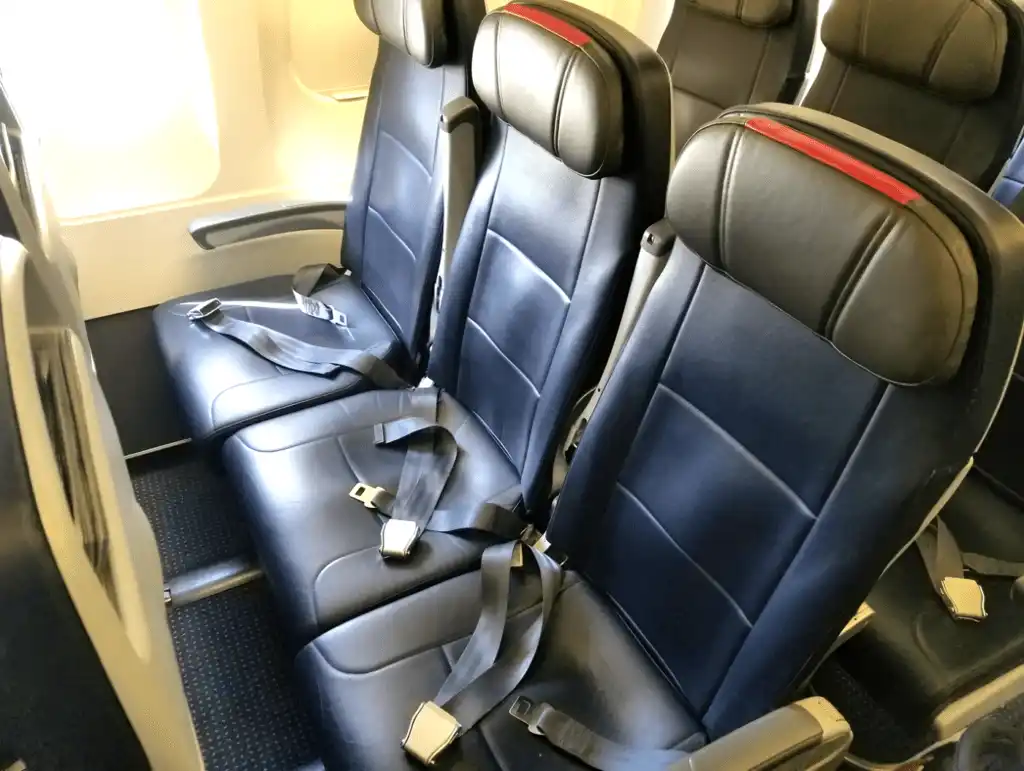
The hierarchy of airplane seats is universal. Window seats offer control over light, views, and a wall to lean against. Aisle seats promise mobility, leg extension, and quick exits. Middle seats, meanwhile, are widely regarded as the least desirable real estate in commercial aviation.
Airlines know this. That knowledge is baked directly into pricing models, seat selection fees, and boarding psychology. When two people travel together in a three-seat row, selecting the aisle and window is a rational response to that hierarchy. The goal is not manipulation but probability. If a flight is not completely full, the middle seat is statistically more likely to remain unsold.
The strategy operates on a simple two-outcome logic. Best case, the middle seat stays empty and both passengers enjoy expanded space. Worst case, a third passenger arrives and is often delighted to trade their middle seat for either an aisle or window. Either way, someone benefits.
The Role of Airline Seating Economics
Modern airlines aggressively monetize comfort. Preferred seating, extra-legroom rows, and advance seat selection have transformed what was once a neutral assignment into a paid upgrade ecosystem. Within this framework, choosing an aisle and window seat is not gaming the system; it is engaging with it as designed.
Passengers with elite status often select premium seats at no extra cost, then later offer those seats to others. That exchange carries real value. Trading a middle seat for an aisle is not a minor courtesy. It is a meaningful upgrade in comfort, especially on long-haul flights.
From an economic perspective, the aisle-window strategy is risk-managed optimization, not entitlement. It costs nothing extra if the seats are similarly priced, and it creates optionality rather than obstruction.
Where Strategy Becomes Social Behavior
Problems arise not from seat selection but from what happens after boarding. The cabin is not just a seating chart; it is a shared social space governed by subtle norms. When a couple occupies the aisle and window while a stranger sits between them, the dynamic shifts.
The middle seat passenger is already at a disadvantage. They have reduced shoulder room, limited armrest access, and no natural boundary. If the aisle and window occupants behave as though the middle seat is merely an inconvenient obstacle, the situation becomes uncomfortable fast.
Constant conversation across the middle seat, passing items back and forth, or leaning over the passenger transforms a neutral seating outcome into an unfair experience. The strategy itself remains defensible. The execution does not.
Courtesy as the Unwritten Rule of the Cabin
Airplanes compress strangers into enforced proximity, which makes situational empathy essential. If the aisle and window passengers choose not to swap seats, the least they can do is act as though the middle seat occupant exists as a person, not furniture.
That means minimizing cross-seat interaction, keeping personal items contained, and respecting physical boundaries. Silence, in this context, is not awkward. It is generous.
The irony is that many middle seat passengers are remarkably accommodating. They will lean forward, tuck elbows inward, and endure mild discomfort without complaint. That patience should not be mistaken for consent. Good etiquette is proactive, not reactive.
Does This Strategy Distort Seating for Everyone Else?
There is an abstract argument that if too many couples employ the aisle-window approach, seat maps become fragmented and complicate assignments. While theoretically true, this falls into the realm of hypothetical saturation rather than practical reality.
Airline algorithms continuously reshuffle seats during check-in, upgrades, and operational changes. A handful of aisle-window bookings does not meaningfully disrupt the system. Airlines optimize for load factors, not seating harmony. Expecting passengers to sacrifice comfort for a perfectly orderly seat map is unrealistic.
This strategy remains a micro-optimization within a macro system already defined by profit and efficiency.
Probability, Not Entitlement
An important distinction separates smart travelers from problematic ones. The aisle-window method is a hope-based strategy, not a guarantee. It works best on lightly loaded flights, off-peak travel days, and routes with historically lower occupancy.
Understanding that uncertainty is key. The moment a passenger believes they deserve an empty middle seat, the logic collapses into entitlement. The strategy should always include a willingness to adapt, swap, or simply accept the outcome without resentment.
Flexibility is the price of playing the odds.
The Ethics of Comfort Maximization
At its core, this debate reflects a larger truth about modern travel. Airlines extract maximum value from every square inch of the cabin. Passengers respond by seeking small advantages wherever possible. Booking smarter seats, timing selections, and understanding load patterns are forms of informed participation, not moral failure.
Ethics enter the picture only when individual comfort is pursued at the direct expense of another person’s dignity. Choosing seats does not do that. Ignoring social responsibility once seated does.
A Practical Balance at 35,000 Feet
The aisle and window seat strategy occupies a reasonable middle ground between clever and considerate. It acknowledges the realities of airline seating while leaving room for generosity. When practiced with awareness and restraint, it benefits everyone involved.
The empty middle seat is a small victory. Respect for fellow passengers is a larger one. In the narrow theater of an airplane cabin, comfort and courtesy are not opposing forces. They are complementary skills, and the best travelers quietly master both.