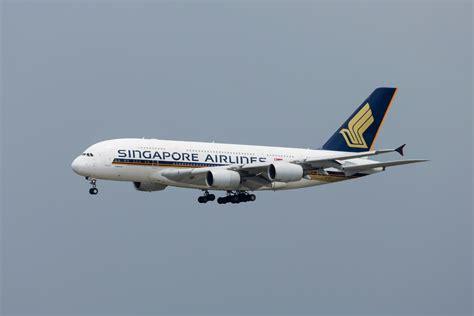
The Airbus A380, known as the world’s largest passenger aircraft, offers more than just scale and luxury—it also provides one of the quietest cabin experiences in the sky, especially during takeoff. While travelers on many older jets brace themselves for a thunderous roar when the engines spool up, those aboard an A380 often find the transition to the skies surprisingly serene. This quietness isn’t a happy accident—it’s the result of meticulous engineering, advanced aerodynamics, and groundbreaking engine design.
The Science Behind the Silence: Engine Design and Placement
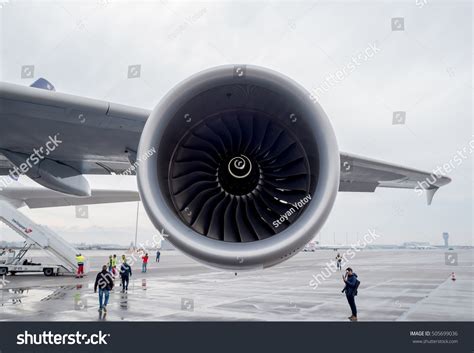
At the heart of the A380’s subdued takeoff experience are its high-bypass turbofan engines—either the Rolls-Royce Trent 900 or Engine Alliance GP7000. Unlike older engines with lower bypass ratios, these modern turbofans operate with a bypass ratio of 8.5 to 8.7, meaning a vast majority of the air taken in bypasses the engine core and is expelled at lower velocities. This drastically reduces the sharp, high-frequency noise produced by jet exhaust.
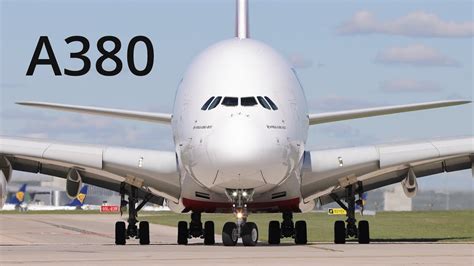
Furthermore, the A380’s massive 79.75-meter wingspan places the engines far from the fuselage, minimizing the amount of direct noise entering the cabin. With the engines mounted well beneath the wings and distanced from passenger areas, even when they’re operating at high thrust during takeoff, the cabin remains astonishingly quiet.
Acoustic Insulation: The Hidden Hero
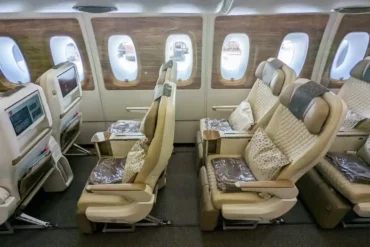
Inside the fuselage, multi-layered acoustic insulation adds another barrier against engine and aerodynamic noise. This advanced insulation traps and dampens incoming sound waves before they reach the cabin interior. Combined with vibration-dampening materials and a fuselage architecture optimized for acoustics, the result is a whisper-quiet space that defies the aircraft’s size and power.
During takeoff, this insulation works double duty—not only muffling the sound of the engines but also reducing the sensation of vibration and internal rattling that often accompanies older aircraft under full throttle. This creates a smooth, subdued launch that feels effortless from a passenger’s perspective.
Aerodynamic Efficiency Reduces Noise Generation
The A380’s aerodynamically refined structure also contributes significantly to its quietness. The aircraft’s sleek design and massive lift surface area ensure efficient airflow, which means there’s less turbulence-induced sound during takeoff and climb.
Even seemingly small details, like the shape of the landing gear and flap fairings, have been optimized to reduce the noise created by disrupted airflow. As a result, not only is the engine noise lower, but so too is the ambient rushing sound often generated as aircraft lift off.
Comparing Engine Technologies: Then vs. Now
To fully appreciate the A380’s sound suppression, it helps to contrast it with previous generations of aircraft. The Pratt & Whitney JT3D, for example, used on early Boeing 707s, had a bypass ratio of just 1.42, meaning most of the air rushed through the combustion core and exited as high-speed exhaust—an incredibly noisy process.
In contrast, the Rolls-Royce Trent 900 engines on the A380:
- Generate 75,152 to 84,098 lbf of thrust
- Feature an overall pressure ratio between 37 and 39
- Achieve an impressive thrust-to-weight ratio of up to 6.11
This modern performance allows for lower exhaust velocities, which translates directly into quieter operations, especially during the power-intensive takeoff phase.
A Double-Edged Sword: When Quiet Is Too Quiet
While the cabin’s calm atmosphere is a major plus for passengers, not everyone welcomes the tranquility. Emirates pilots have notably expressed discomfort with how quiet the aircraft is. According to a report from Wired in 2008, some pilots complained that the lack of white noise made it harder to sleep in the crew rest areas, especially those located near the rear of the aircraft.
Every crying baby, flushed toilet, or rustling snack wrapper became noticeable without the masking hum of engine noise. This poses challenges for long-haul operations where pilot rest is crucial to flight safety.
Boeing, Airbus’s rival, even commented on the issue. In his 2008 article, Randy Tinseth—then Boeing’s VP of Marketing—argued that some background noise can be beneficial, helping to mask undesired cabin sounds. He likened this to the difference between a relaxing brook and an intrusive power tool—some noise is soothing, but too little may amplify disruptive sounds.
Not Just the A380: Other Aircraft Embracing Quiet Technology
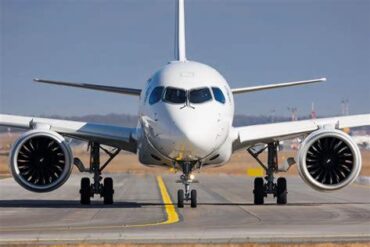
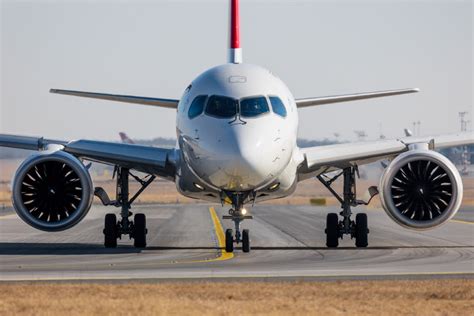
Though the A380 is a standout in the widebody category, other aircraft have also prioritized quiet operations. Among narrowbodies, the Airbus A220 sets a new benchmark. Its Pratt & Whitney PW1500G geared turbofan engine introduces a revolutionary design that allows fan and turbine sections to spin independently at their most efficient speeds. This technology significantly cuts down on engine whine and rumble.
Moreover, the A220’s aerodynamic refinement and acoustic dampening mirror many of the A380’s innovations, ensuring a comparably quiet experience in a smaller frame. As more airlines adopt the A220 for regional and short-haul routes, passengers can expect quietness to become the new norm.
The Disappearing Superjumbo: Fewer Chances to Experience the Quiet
Despite its excellence, the A380 is no longer in production, and its days in widespread commercial service are numbered. A total of 30 A380s have already been scrapped, and many others face uncertain futures. As newer, more fuel-efficient aircraft take over long-haul routes, airlines are phasing out the superjumbo in favor of twin-engine alternatives like the Boeing 787 Dreamliner and Airbus A350.
This trend is driven by high operating costs, limited route flexibility, and changing post-pandemic travel demands. Airlines such as Qantas, Lufthansa, and Qatar Airways have reduced their A380 fleets, with some carriers openly expressing a desire to retire them entirely—if only they had replacements ready.
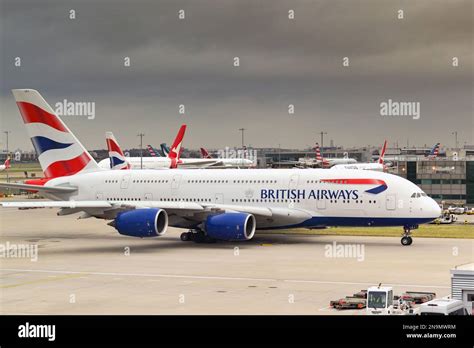
However, not all hope is lost. British Airways continues to operate its full A380 fleet, relying on its large capacity for hub-to-hub travel from London Heathrow. Meanwhile, startup Global Airlines has made headlines by purchasing four secondhand A380s, betting on the aircraft’s allure and operational potential.
A Legacy of Engineering Excellence
As the A380 gracefully begins to exit the global stage, it leaves behind a legacy defined not just by size, but by acoustic innovation and passenger comfort. Its design reflects a pinnacle in aviation engineering where power, silence, and scale coexist in harmony.
The quiet cabin during takeoff, a feature once thought impossible for a four-engine giant, stands as a testament to Airbus’s commitment to innovation. While opportunities to experience this engineering marvel may become rarer with time, the A380’s influence on aircraft acoustics will echo far beyond its operational lifespan.