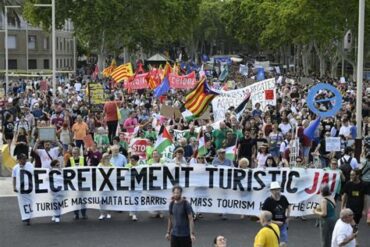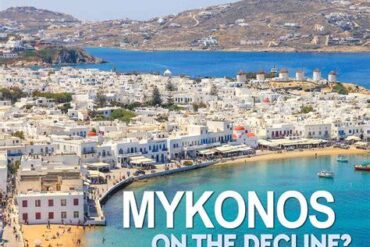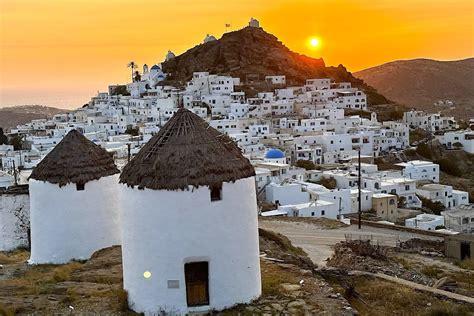
Greece is grappling with an environmental emergency of unprecedented scale, as the explosive growth in tourism collides with fragile ecosystems, deforesting landscapes, drying up freshwater resources, and turning fertile farmland into barren plots. Islands once admired for their serene beauty—Mykonos, Rhodes, Chios, and others—are now showing clear signs of irreversible damage, pushing the country into a dangerous tipping point that threatens not only nature but the future of Greece’s tourism-dependent economy.
Tourism Expansion and Ecological Breakdown: A Collision Course
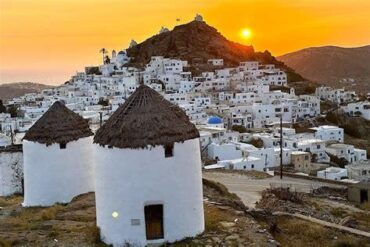
The tourism boom that has fueled Greece’s economic engine is now dismantling the very scenery it depends upon. Massive construction efforts across the islands, fueled by rising demand from international visitors, have escalated far beyond sustainable thresholds. Mykonos alone has seen a 341% increase in developed land since 1990—a staggering transformation that has consumed green hills, coastal wetlands, and previously untouched terrain.
On the island of Syros, land development has skyrocketed 310% in the same period. These figures are not merely numerical—they are markers of destruction. As hotels, luxury villas, and roads replace forests and rural fields, ecosystems are stripped of their resilience. Concrete replaces earth. Noise replaces tranquility. Aquifers shrink. The cumulative impact is devastating, threatening both human and ecological systems.
Deforestation: The Silent Collapse of Island Ecosystems
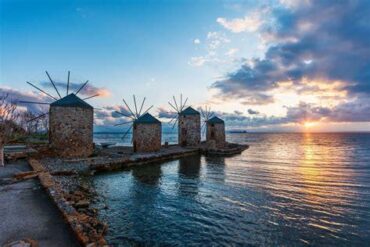
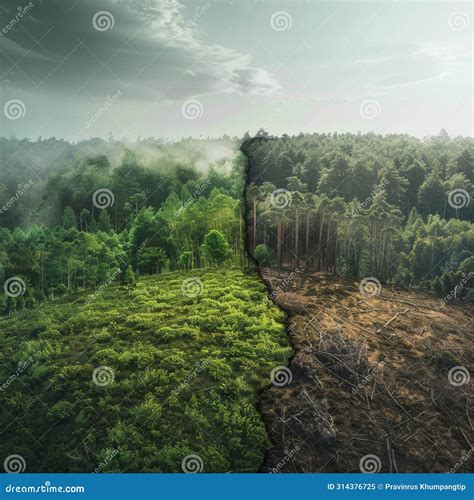
According to data presented by Professor Kostas Theodorou, between 1990 and 2018, nearly 14,000 hectares of forest have been lost across Greek islands. On Chios, forest cover declined by 41%. Thasos followed with a 40% reduction, and Rhodes lost 34% of its tree cover. This vanishing forest belt eliminates natural buffers that guard against soil erosion, flooding, and climate extremities.
What makes this crisis more alarming is the irreversible nature of such forest loss. Deforested zones often do not regenerate under Mediterranean climate conditions without intense reforestation interventions. Once lost, these forests take decades to return—if at all—leaving exposed soils vulnerable and ecosystems fragmented beyond repair.
Vanishing Farmlands: A Cultural and Ecological Erosion
Alongside deforestation, Greece faces another alarming collapse: abandoned agriculture. As rural populations move to cities or shift toward tourism-based economies, agricultural lands are being left to decay. Professor Thanasis Kizos highlights that since 1960, about 50% of Greek island farmland has fallen out of use.
On Oinousses, a staggering 92.5% of farmland has been abandoned. Nisiros and Kimolos are similarly affected, with abandonment rates of 92.3% and 86% respectively. This loss affects more than food production—it marks the disappearance of agricultural terraces, stone walls, and orchards that once defined the islands’ identities.
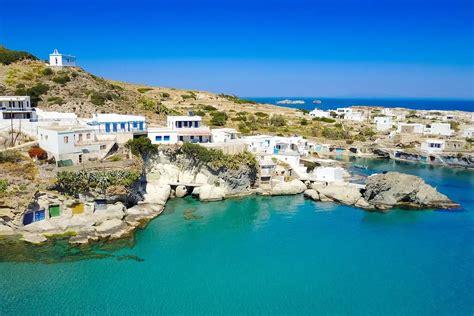
Abandoned farmland also translates into ecological degradation. Without cultivation, landscapes become fire-prone, susceptible to invasive species, and increasingly disconnected from local food economies. It is a slow disintegration of Greece’s traditional lifeways and environmental integrity.
Water Crisis Worsens as Aquifers Dry Up
The spread of impermeable surfaces—concrete roads, buildings, and resorts—has an often overlooked consequence: it disrupts groundwater recharge. As rainwater fails to penetrate sealed surfaces, aquifers are no longer replenished. In island settings where freshwater is scarce, this is particularly alarming.
Mykonos, Santorini, and parts of Crete are already witnessing seasonal water shortages, often requiring imported water or desalination plants—solutions that are expensive, carbon-intensive, and unsustainable in the long term.
Additionally, altered drainage patterns due to excessive building have increased the frequency of flooding events, especially during winter rains. Soil erosion, sediment runoff, and contamination of coastal waters follow, damaging both marine biodiversity and tourist experiences.
Mainland Also Suffers: Attica’s Shrinking Forests
This environmental breakdown is not confined to the islands. In Attica, the most populous region in Greece and home to Athens, 70% of forests have vanished over the last 25 years, according to Eftymios Lekkas of the Earthquake Planning and Protection Organization (OASP). As Lekkas warns, “We cannot afford to lose another tree.”
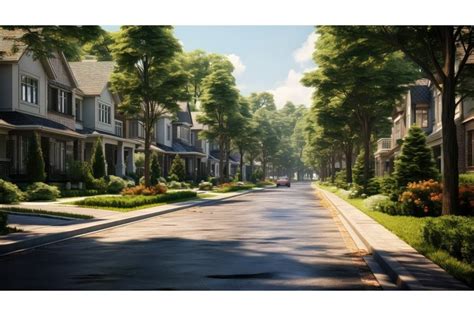
Urban sprawl, wildfires, and construction have eroded what little green belt remained around the capital. The consequences are already being felt in worsening air quality, heat waves, and an urban heat island effect that grows more intense each year.
Island Biodiversity on the Brink
The cascading environmental damage is rapidly pushing native species toward extinction. Shrinking forests and wetlands mean that birds, amphibians, and pollinators lose their habitats. Endemic plants that only grow on certain islands are at risk of disappearing entirely. Bees, which play a crucial role in maintaining ecosystems and supporting agriculture, are vanishing in many locations due to habitat loss and pesticide use from unregulated landscaping.
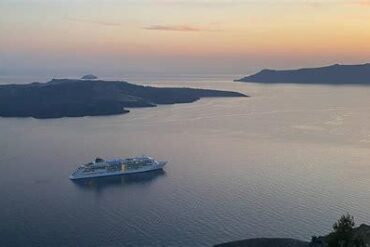
Furthermore, the overuse of marine zones—through cruise ships, yacht traffic, and unregulated diving or snorkeling—damages coral beds, sea grass meadows, and fish populations that are essential to local fisheries and ecological balance.
Unchecked Development and the Need for Regulation
Experts across the board agree that the time for gentle suggestions has passed. The unchecked spread of resorts, roads, and villas needs immediate regulation. Each island must undergo carrying capacity assessments—scientific evaluations that define how much tourism infrastructure an area can support without collapsing ecologically.
This means restricting further construction in already saturated zones like Mykonos and Santorini. It also means designating protected areas, investing in reforestation, and restoring traditional agro-ecosystems. Without state intervention and legal enforcement, market-driven development will continue its unsustainable march.
Community-Led Solutions: Seeds of Hope
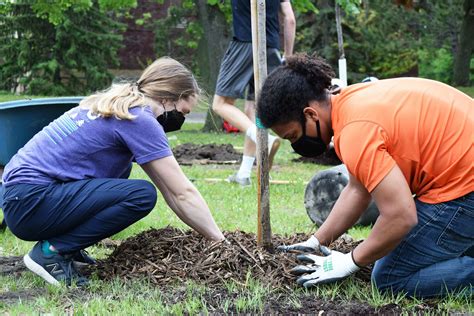
There are signs of resistance. Some local communities and NGOs are turning to agroecology, eco-tourism, and cultural heritage conservation to reverse the decline. Projects to rehabilitate stone terraces, revive olive groves, and promote organic farming are taking root in islands like Tinos and Ikaria.
Eco-tourism businesses that limit group sizes, avoid high-impact trails, and invest in local products are growing. These alternatives showcase a path forward—one where culture, conservation, and commerce coexist. Public awareness campaigns targeting tourists are also vital to educating visitors about water use, waste disposal, and staying off protected land.
The Islands in Danger Conference: A National Wake-Up Call
The conference titled “Islands in Danger – The Search for Measure”, co-hosted by the Greek Society for Environment and Culture, the National Museum of Natural History Goulandris, and the University of the Aegean, marked a pivotal moment in the national conversation. Experts from diverse disciplines presented data, maps, case studies, and policy recommendations—all pointing to the same conclusion: Greece must act now.
Professor Theodorou and Professor Kizos outlined frameworks for island sustainability, from legislative tools to incentives for young people to return to farming. Conference participants also discussed building island observatories—institutions that can monitor environmental change and advise local governments in real time.
Conclusion: Turning Crisis Into Opportunity
Greece stands on a knife’s edge. The decisions made over the next five years will determine whether its islands remain living ecosystems or descend into overbuilt ruins. The warning signs are no longer subtle. Deforested hills, crumbling farmland, dry wells, and chaotic construction zones are daily realities. But in every crisis lies opportunity.
Through a coordinated national effort that integrates regulation, community action, and sustainable tourism, Greece can forge a new model of economic growth—one that values longevity over short-term profits and harmony over exploitation. Preserving the natural soul of the Aegean is not merely a luxury—it is a necessity.
The time to act is now.