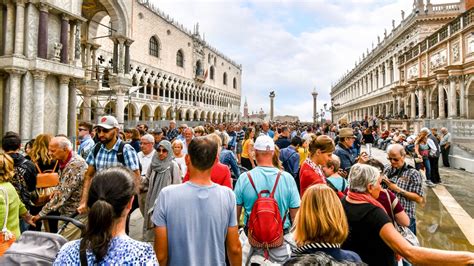
Europe’s historic charm is under siege as a tidal wave of travelers floods its streets, squares and heritage sites, transforming once-quiet neighborhoods into bustling corridors of selfie sticks and rolling suitcases. From the romantic canals of Venice to the sun-drenched plazas of Barcelona, locals are grappling with the relentless pressure of overtourism, even as governments scramble to devise regulatory lifelines. The stakes are high: if left unchecked, the very allure that draws 747 million international visitors annually could be irrevocably damaged.
In recent years, the allure of Europe’s cultural troves has reached unprecedented heights. According to United Nations World Tourism Barometer figures, last year saw 747 million international arrivals—more than any other region worldwide—with Southern and Western Europe absorbing over 70 percent of that influx. This historic surge has challenged the capacity of infrastructure and communities, prompting urgent calls for responsible and sustainable management.
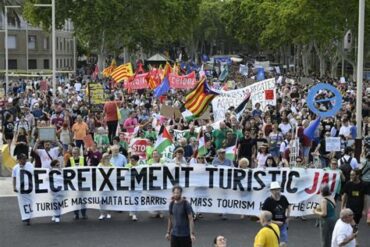
Daily life in many beloved cities is fraying at the seams. Residents report skyrocketing rents as short-term rentals undercut housing markets, while clogged streets and overburdened public services make routine tasks a struggle. The chorus of protests grows louder as citizens demand action to safeguard their neighborhoods and quality of life.
Introduction: A Continental Reckoning
Europe’s tourism boom has become a double-edged sword: a vital economic engine on one hand and a source of escalating social and environmental strain on the other. Last year’s 747 million international arrivals shattered previous records, with hotspots in Southern and Western Europe bearing the brunt of 70 percent of all visitor traffic. As historic cities buckle under the weight of mass travel, officials and experts warn that failure to address overtourism risks inflicting long-term damage on cultural heritage and community well-being.
Infrastructure Strain: When Charm Becomes Congestion
Cobblestone streets that once echoed with the soft murmur of locals now reverberate with the incessant clatter of rolling suitcases. In cities like Lisbon and Dubrovnik, public housing and water systems are stretched beyond capacity, struggling to meet the demands of both year-round residents and a surging tourist population. Local transport networks—previously designed for moderate daily flows—buck under peak-season crowds, leading to delays, safety concerns and a steady decline in residents’ quality of life.
Essential services such as waste management and emergency response are similarly overwhelmed. Municipal budgets, heavily reliant on tourism revenue, are paradoxically forced to divert funds toward crowd control and infrastructure repairs, leaving fewer resources for schools, healthcare and community programs. The result is a fracturing of the social contract: locals benefit from tourism-driven jobs and investment, yet suffer from its unbridled excesses.
Local Backlash & Control Measures: Protests and Policies
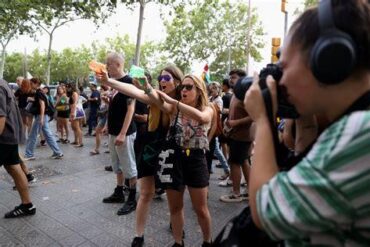
Across Europe, grassroots movements are rising in defiance of unchecked visitor volumes. In Barcelona, activists brandish water guns during street marches, spraying unsuspecting tourists while bearing placards that read, “One more tourist, one less resident!” In Venice, residents chant slogans imploring authorities to limit cruise ship arrivals and enforce daily caps on day-trippers.
City governments are responding with a suite of control measures aimed at restoring equilibrium. Tourist taxes have been levied in Barcelona and Florence, while Amsterdam experiments with visitor quotas at its most popular museums. Dubrovnik has introduced restrictions on short-term rentals, and Venice has trialed a day-visitor access fee ranging from €5 to €10. These policies seek to protect fragile heritage sites and prioritize the well-being of residents, yet their long-term effectiveness remains under scrutiny.
Drivers of Growth: Technology, Economy, Trends
Several converging factors have fueled Europe’s tourism explosion. Budget airlines have democratized international travel, slashing fares and proliferating routes to regional airports. Meanwhile, artificial intelligence–driven trip-planning platforms streamline itineraries and bookings, encouraging spontaneous getaways. Social media phenomena—viral videos of scenic viewpoints and must-see attractions—create travel trends that draw millions to the same handful of locations.
Economic resilience in high-income markets such as the United States, United Kingdom, Japan and China further accelerates outbound tourism. Despite global uncertainties, elevated consumer confidence in these countries translates into increased discretionary spending on travel, amplifying seasonal demands and intensifying competition for accommodations and public services in Europe’s most famous cities.
City Case Studies: Impact on Iconic Destinations
Barcelona’s Gothic Quarter is emblematic of the overtourism dilemma: narrow lanes now choked with crowds, historic facades overshadowed by souvenir kiosks, and local businesses supplanted by Instagram-friendly cafés. Residents lament soaring rental costs driven by short-term vacation platforms that prioritize tourists over families.
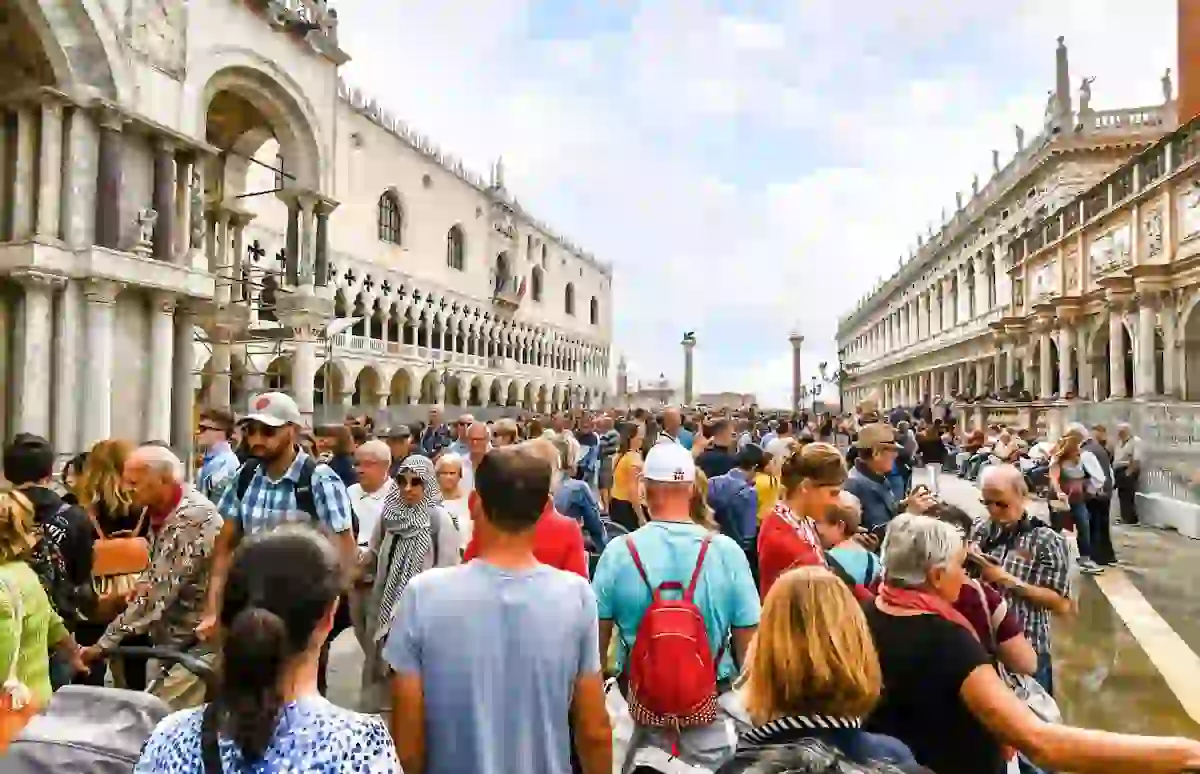
Venice confronts a dual threat: rising sea levels and rising tourist numbers. As acqua alta episodes grow more frequent, the city’s pedestrian pathways flood under the weight of cell-phone–wielding crowds, forcing emergency workarounds and frequent closures of public squares. The harmonica of gondoliers competes with tour-boat engines, eroding the city’s romantic ambiance.
In Amsterdam, noise complaints and public intoxication near the Central Station and Red Light District have triggered an aggressive awareness campaign, coupled with stricter licensing for tour operators and nightlife venues. The city’s municipal council now explores dynamic pricing models for key attractions, aiming to flatten peak visitation and protect neighborhood tranquility.
Seasonality & Sustainability: Peaks That Bite
The tourism tide in Europe follows a predictable seasonal arc, peaking during summer months when demand outpaces supply and stress on resources intensifies. Essential services geared toward local populations—healthcare, public transport, waste disposal—struggle to cope with transient surges that last only weeks, then lie dormant the rest of the year.
Experts advocate a year-round approach to tourism promotion, urging travelers to explore off-season opportunities in the shoulder months of spring and autumn. By incentivizing visits outside July and August, destinations can alleviate peak pressure, spread economic benefits and enhance the visitor experience through milder weather and lower crowd densities.
Tech & Redistribution Solutions: Smarter Planning
Innovative proposals are emerging to harness technology in the fight against overtourism. Advanced booking systems—powered by AI—could require visitors to secure timed tickets at the moment they purchase flights or accommodations, smoothing demand curves and reducing queue times at museums, landmarks and parks.
Beyond technology, advocates stress the need to promote the 96 percent of European territory that falls outside traditional tourism circuits. From Romania’s painted monasteries to Estonia’s medieval Old Towns, hidden gems await discovery. Redirecting foot traffic to lesser-known locales not only preserves iconic sites but also spreads visitor spending to undervalued regions, fostering rural economies and protecting urban center vitality.
Regional Hotspots: Numbers That Shock
France and Spain lead the continent in visitor arrivals, with France drawing approximately 100 million tourists last year and Spain close behind at nearly 94 million—figures that dwarf their domestic populations. In Barcelona, symbolic water-gun protests reflect residents’ frustration as rental prices soar and public services falter under visitor loads.
Island destinations amplify the strain: the Canary and Balearic Islands, home to fewer than 5 million residents combined, each hosted over 15 million visitors. Malta and Cyprus report similar ratios, straining water supplies and waste systems designed for local climates and populations.
Italian cultural magnets—Venice, Rome, Capri, Verona and the Amalfi Coast—face overcrowded piazzas and gridlocked traffic. On the Amalfi Coast, helicopter transfers and luxury boat charters proliferate as travelers seek shortcuts around traffic jams and ferry delays, underscoring the premium on convenience in saturated markets.
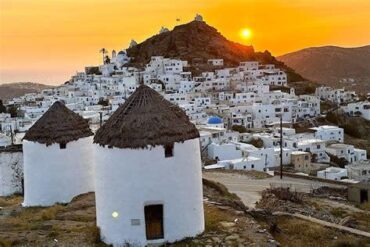
In Greece, the tourism wave reached nearly four times the nation’s 10.4 million population last year. Iconic islands such as Santorini and Mykonos grapple with water shortages, frequent blackouts and housing crises as visitor numbers peak, highlighting the fragility of resources on small landmasses.
Ripple Effects: Cultural and Economic Shifts
Short-term vacation rentals have reshaped housing markets in major cities, displacing long-term residents and inflating rents by double-digit percentages annually. Historic neighborhoods once defined by local artisans now host rows of souvenir shops and global retail chains, diluting the authentic character that originally drew visitors.
Cultural institutions are similarly vulnerable. The Louvre, the world’s most visited museum, briefly closed amidst staff strikes protesting unsafe working conditions caused by runaway visitor volumes. Thousands of ticket-holders waited outside in sweltering heat, underscoring the human cost of unchecked demand.
Government Responses: From Airbnb Crackdowns to Visitor Taxes
Spain has taken bold steps to curb short-term rental excesses, directing Airbnb to delist nearly 66,000 non-compliant properties and compelling Barcelona to phase out 10,000 licensed vacation apartments by 2028. In Greece, a new cruise-visitor tax—€20 for major islands like Mykonos, €5 for smaller ports—takes effect July 1, aiming to offset infrastructure costs and discourage one-day stopovers.
Venice reinstated its controversial day-visitor fee of €5–€10 during high season after a successful trial, targeting non-overnight guests whose transient footprint strains canals, bridges and squares. Meanwhile, Greek authorities deploy water tankers and expand desalination on drought-prone islands, and introduce staggered entry times at the Acropolis to diffuse peak crowds.
Collectively, these measures signal a shift from passive promotion to proactive governance—recognizing that sustainable tourism hinges on balancing economic gains with environmental stewardship and community welfare.
Conclusion: Charting a Sustainable Path Forward
Europe stands at a crossroads. Its cultural heritage and vibrant urban life have powered a tourism boom that shows no signs of abating. Yet the unchecked growth that bolts short-term gains to long-term risks demands a strategic pivot. By embracing responsible travel principles—promoting off-season visits, leveraging technology for demand management and amplifying lesser-known destinations—European stakeholders can safeguard the integrity of historic sites and the quality of life for residents. The continent’s future as a premier tourism powerhouse will depend not only on welcoming visitors, but on doing so with thoughtful, equitable and sustainable planning.