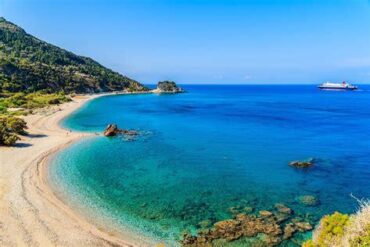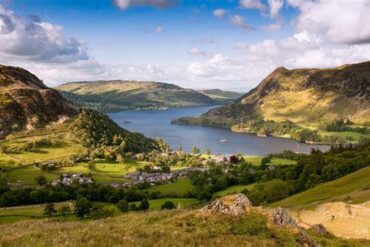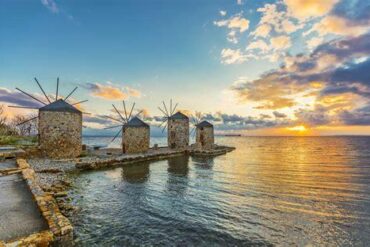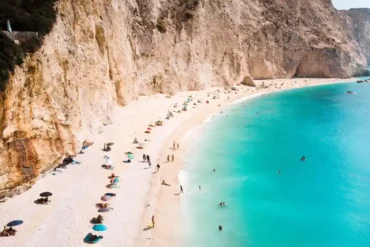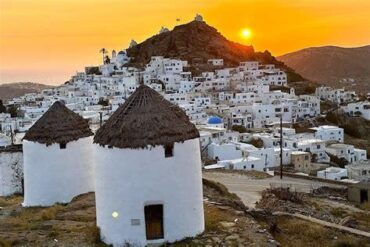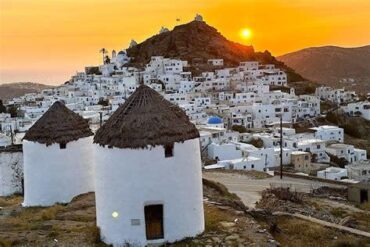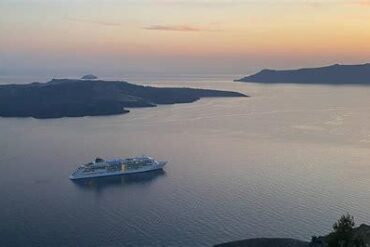
Greece, a land of breathtaking landscapes and rich cultural heritage, is unveiling its hidden gems that rival the beauty of more famous islands like Crete, all while remaining blissfully free from the clutches of mass tourism. The islands of Chios, Lesvos, Limnos, Ikaria, and Samos stand out as tranquil retreats, offering visitors stunning natural beauty and authentic experiences away from the overcrowded tourist hotspots that often mar the charm of popular destinations. As overtourism becomes a pressing issue across Europe, these islands emerge as serene alternatives, allowing travelers to immerse themselves in unspoiled nature and centuries-old traditions.
Greece’s Quiet Luxury Islands: A Sanctuary from Overtourism
As Europe gears up for another bustling travel season, many iconic destinations are grappling with the fallout of overtourism. From the long queues in Venice to the anti-tourism protests in Barcelona, the strain on local infrastructure and communities is becoming increasingly evident. However, amidst this growing tide of visitors, several Greek islands are quietly carving out a niche as peaceful sanctuaries for those seeking a more authentic and serene experience, far removed from the bustling crowds that dominate many of Europe’s summer hotspots.
A recent report by BookRetreats.com, a leading global platform for wellness retreats, has drawn attention to these lesser-known paradises. Utilizing data from the European Commission, the analysis focused on the number of overnight tourist stays per square kilometer to identify destinations where visitor density remains remarkably low. The findings highlight that while certain areas of Greece continue to witness an influx of tourists, others remain refreshingly untouched, providing ideal havens for discerning travelers.
At the forefront of this list is the island of Euboea, often overshadowed by its more famous counterparts such as Santorini and Mykonos. Euboea, Greece’s second-largest island, boasts unspoiled landscapes, charming villages, and a welcoming local culture, presenting an authentic Greek experience devoid of the commercialization found in heavily trafficked destinations. Its relatively low tourist density can be attributed to its unique geography and limited international airport access, which naturally restricts the number of visitors. Travelers typically reach Euboea via a short drive from Athens, crossing the Evripos Bridge, which connects the island to the mainland. This ease of access for domestic travelers, coupled with a scarcity of foreign tour packages, has preserved the island’s tranquil atmosphere.
One of Euboea’s most captivating features is its ancient thermal springs, which have been attracting visitors for over three thousand years. The therapeutic properties of these mineral-rich waters have been celebrated since antiquity, luring travelers from across the Mediterranean. Today, visitors can still bask in these soothing springs while enjoying the island’s serene environment — a rare luxury as wellness tourism surges globally.
Unveiling Greece’s Lesser-Known Islands
Beyond Euboea, the BookRetreats.com report highlights several other Greek islands that remain under the global radar. Chios, Lesvos, Limnos, Ikaria, and Samos rank among Europe’s least crowded destinations, each offering a unique blend of natural beauty, rich cultural heritage, and local traditions.
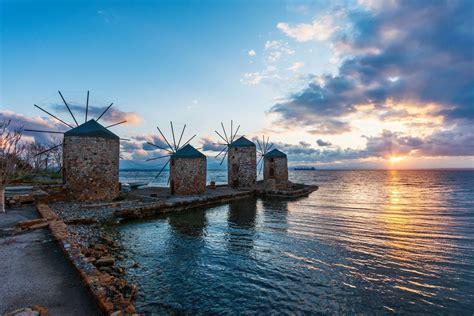
Chios is renowned for its medieval villages and unique mastic trees, whose resin is used in everything from chewing gum to cosmetics. The island’s picturesque landscapes and historical sites invite exploration, revealing a cultural tapestry that is both vibrant and deeply rooted in tradition. Lesvos captivates visitors with its stunning beaches and lush olive groves, alongside one of Greece’s most significant wetlands, making it a paradise for birdwatching enthusiasts. The island’s rich history, reflected in its archaeological sites and charming towns, provides a backdrop for a serene escape.
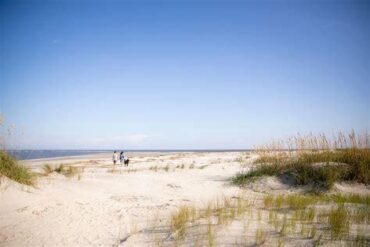
Limnos, with its volcanic landscapes and sandy dunes, offers secluded coves perfect for sunbathing and swimming. The island’s diverse geography allows for a variety of outdoor activities, from hiking to exploring its ancient ruins. Meanwhile, Ikaria, famously known as one of the world’s few “Blue Zones,” presents a unique glimpse into longevity and healthy living, thanks to the islanders’ lifestyle and diet, characterized by fresh, local produce and a slower pace of life.
On the other hand, Samos combines lush forests with ancient ruins, offering visitors both natural and historical wonders. The island’s scenic beauty, complemented by its rich history, creates an inviting atmosphere for those seeking relaxation and exploration alike.
The Rise of Sustainable Tourism
The appeal of these quieter islands is steadily growing as global awareness of sustainable tourism rises. More travelers today actively seek destinations that promote responsible tourism practices, protect local ecosystems, and offer meaningful cultural exchanges rather than merely catering to mass-market vacation packages. This trend towards alternative destinations is further fueled by increasing dissatisfaction with the overcrowded conditions of Europe’s mainstream tourist centers. As cities and islands implement new measures such as tourist caps, entrance fees, and stricter regulations, many travelers are reevaluating their vacation choices, searching instead for locations that allow for a slower pace, deeper connections to local culture, and genuine relaxation.
Greece’s uncrowded islands are well-positioned to meet this growing demand. With their combination of natural beauty, rich history, wellness offerings, and limited crowds, destinations like Euboea and its counterparts are becoming increasingly attractive to travelers who prioritize quality over quantity. Greece’s hidden island treasures, where Chios, Lesvos, Limnos, Ikaria, and Samos match Crete’s beauty but remain blissfully uncrowded, provide a rare chance to escape overtourism and experience true serenity.
As Europe continues to wrestle with the challenges posed by overtourism, Greece’s quieter islands present an inspiring model of how sustainable, small-scale tourism can thrive — benefiting both visitors and local communities alike. For those seeking an authentic, peaceful, and rejuvenating holiday experience, these hidden Greek gems may well be the perfect escape, offering not just a getaway but a chance to reconnect with nature and culture in its purest form.