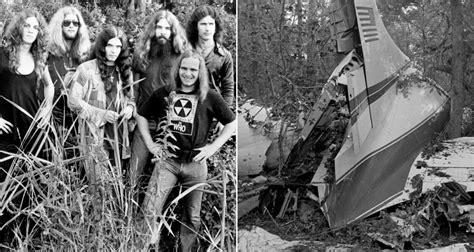
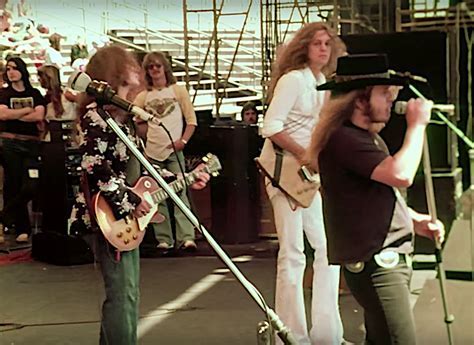
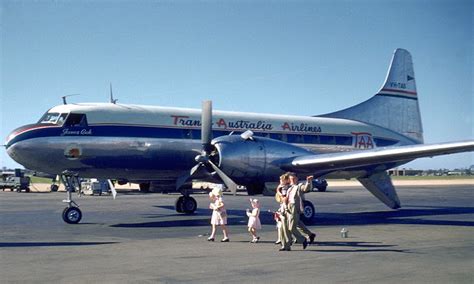
On October 20, 1977, a Convair CV-240 (N55VM), chartered by the legendary southern rock band Lynyrd Skynyrd, crashed into a dense, swampy forest near Gillsburg, Mississippi, ending a flight that would mark a devastating moment in rock history. The crash claimed the lives of six people, including Ronnie Van Zant (lead vocalist), Steve Gaines (guitarist and vocalist), Cassie Gaines (backing vocalist and Steve’s sister), assistant road manager Dean Kilpatrick, Captain Walter McCreary, and First Officer William John Gray. Out of 26 people onboard, 20 survived, though many suffered severe injuries.
The Final Flight
The fateful journey began on October 20, 1977, when Lynyrd Skynyrd boarded the Convair CV-240 in Greenville, South Carolina, bound for Baton Rouge, Louisiana, where they were scheduled to perform at Louisiana State University. The band had just released their fifth studio album, Street Survivors, two days earlier. Despite concerns over the plane’s condition, the band opted for the flight, swayed by the convenience it provided during their grueling tour schedule. The flight’s planned emergency stop at McComb-Pike County Airport in Mississippi never materialized, as the pilots, realizing too late that they were dangerously low on fuel, found themselves unable to reach the airstrip.
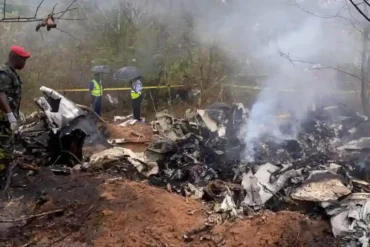
As the fuel-starved aircraft approached Gillsburg, Captain McCreary and First Officer Gray attempted a desperate emergency landing in an open field. Witnesses and survivors recall the chilling final moments as the plane dipped below the tree line, striking the tops of tall pines before crashing into the forest floor at approximately 6:52 PM CST. The fuselage shattered upon impact, scattering debris and passengers across the crash site. Guitarist Gary Rossington later described the deafening roar of branches striking the fuselage as sounding like “hundreds of baseball bats” before he lost consciousness.
Chaos and Survival
Inside the doomed plane, chaos and fear took hold. Ronnie Van Zant, lying on the floor to catch some rest, was thrown violently during the crash, suffering fatal head trauma. Keyboardist Billy Powell sustained severe facial lacerations and nearly lost his nose, while Artimus Pyle, the band’s drummer, broke several ribs but managed to escape the wreckage. In a remarkable act of survival, Pyle and two others stumbled through the swamp to a nearby farmhouse, only to be greeted by a shotgun-wielding local who mistook them for escaped prisoners. After convincing the wary farmer of their plight, Pyle managed to alert emergency responders, setting off a chaotic, mud-soaked rescue effort.
The Tragic Cost
Among those lost were the band’s core members. Cassie Gaines, who had expressed fear about flying in the Convair, had reluctantly boarded the plane after encouragement from Van Zant. JoJo Billingsley, another of the band’s backing vocalists, narrowly avoided the tragedy, missing the flight due to illness. Former guitarist Ed King later reflected on his decision to leave the band, remarking that he had always feared a tragic end for his former bandmates due to their hard-living lifestyle.
The Aftermath and Legacy
In the chaotic aftermath, rescuers waded through waist-deep creeks and dense underbrush to reach the wreckage, hampered by the swampy terrain. Local volunteers, using tractors and pickup trucks, helped transport the injured to nearby hospitals. It would be hours before many survivors learned of the fatalities. The National Transportation Safety Board (NTSB) later cited fuel exhaustion and crew inattention to fuel levels as primary causes, noting that the plane’s right engine had shown signs of mechanical trouble days before the crash.
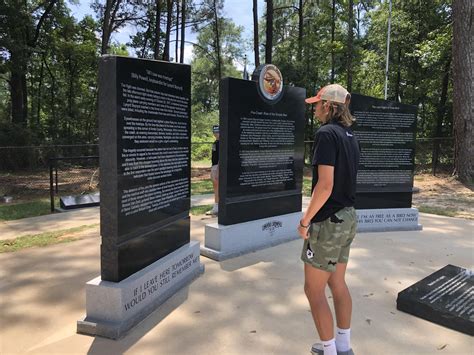
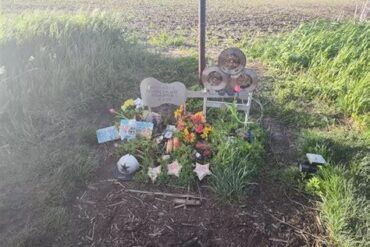
In the years that followed, the site of the crash became a somber memorial for fans and survivors, marked by a carved oak tree commemorating those lost. In 2017, survivors and families filed a lawsuit to prevent the release of the film Street Survivors: The True Story of the Lynyrd Skynyrd Plane Crash, citing a longstanding pledge not to profit from the tragedy. Despite this, the film premiered in 2020, reflecting the enduring, sometimes painful legacy of one of rock’s most tragic moments.
A Legacy That Endures
Despite the devastation, Lynyrd Skynyrd’s music continued to resonate, becoming a defining voice of Southern rock. Surviving members, including Johnny Van Zant, later reformed the band, honoring the spirit and influence of those they lost. To this day, the crash remains a haunting reminder of rock’s turbulent past and the thin line between fame and tragedy.