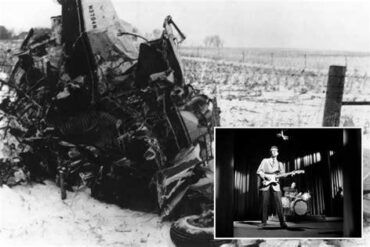
Nestled in the tranquil fields of Clear Lake, Iowa, the Plane Crash Site of Buddy Holly stands not only as a physical landmark but as a timeless symbol of loss and legacy. It marks the very spot where, on February 3, 1959, three rising stars—Buddy Holly, Ritchie Valens, and J.P. “The Big Bopper” Richardson—along with pilot Roger Peterson, lost their lives in what is now known as “The Day the Music Died.”
Their deaths were sudden and tragic, but their influence on modern music became immortalized. As of 2025, this crash site has transformed into a modest yet profoundly moving memorial, drawing thousands of visitors each year who come to pay tribute to these pioneers of rock and roll.
Finding the Crash Site: Pilgrimage Through the Heartland
Travelers journeying to Clear Lake are rewarded not with grand monuments or commercialized displays, but with an authentic, raw, and powerful experience. Located at the intersection of Gull Avenue and 315th Street, this landmark is accessible through a gravel parking lot, aptly named the Don McLean Parking Lot—a nod to McLean’s anthem “American Pie,” which immortalized the crash in pop culture.
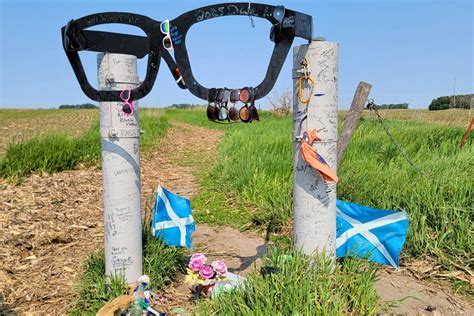
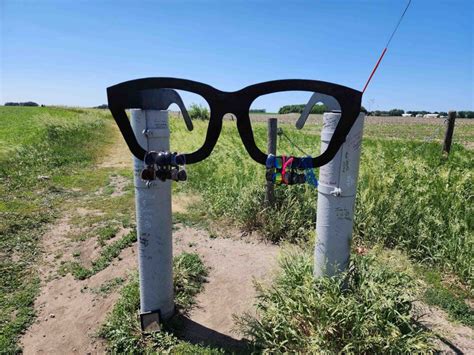
A pair of giant black-framed glasses marks the beginning of the memorial trail. Planted firmly in the soil, these symbolic spectacles mirror the ones Buddy Holly famously wore and serve as a visual gateway into rock history.
The trail begins here: a half-mile path winding through a quiet cornfield, flanked by the rustle of dry stalks and the whisper of wind. It’s a solemn walk—one long enough for a reflective listen to American Pie in its entirety, as noted by many visitors. The path, though modestly maintained, is wheelchair accessible and features few inclines or obstructions, making the journey inclusive.
The Memorial: Understated but Emotionally Charged
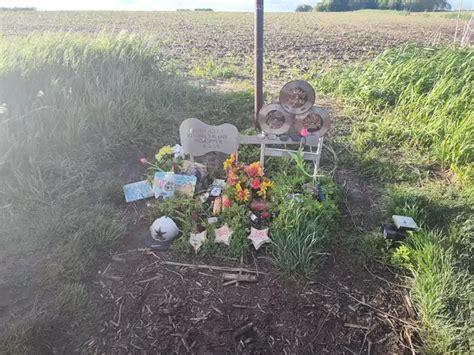
At the trail’s end stands a small but heartfelt tribute. A 10-foot pole topped with a metal guitar, flanked by plaques and mementos left by fans, marks the site where the plane went down. Here, visitors often leave behind symbolic items: teddy bears, vinyl records, personal notes, and of course, replica glasses.
The memorial is not just about Buddy Holly. It also honors Valens, Richardson, and pilot Peterson, whose names are etched into the collective memory of the space. The tone of the tribute is respectful, uncommercial, and deeply moving. There are no vendors, no gift shops—just the raw serenity of remembrance.
In the silence, many say they feel the presence of history—an echo of a night that changed music forever.
A Testament to Time: Reviews from the 2025 Pilgrims
Over the years, visitors have shared their experiences and reflections, and 2025 was no exception. The Tripadvisor rating remains a solid 4.4, a testament to the site’s emotional power despite its lack of fanfare.
- “A tasteful memorial of the plane crash site in 1959….the day the music died!” wrote a traveler from Saint Louis, noting the dignity and restraint with which the memorial was crafted.
- Another visitor reflected, “Nice gravel parking lot with a porta potty. Across the gravel road are the infamous glasses. Long enough to listen to American Pie.”
- Not all reviews are glowing. One pointed out the overgrown grasses and graffiti on the glasses—a natural result of the memorial’s non-commercial upkeep, yet a reminder of its vulnerability to time.
These reactions echo a common sentiment: this site is not polished—it is real. And perhaps that’s what makes it so profoundly impactful.
Contextualizing the Crash: February 3, 1959
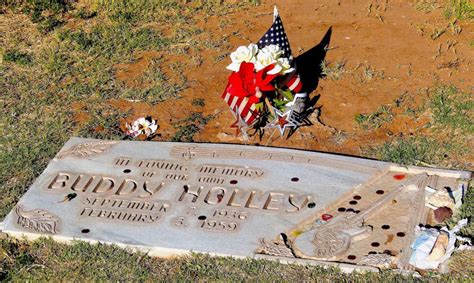
To understand the gravity of this site, one must return to the frigid February night in 1959. Following a performance at the Surf Ballroom in Clear Lake, Buddy Holly chartered a small Beechcraft Bonanza aircraft to reach his next gig in Moorhead, Minnesota. Ritchie Valens, J.P. Richardson, and pilot Roger Peterson joined him. Soon after takeoff, the plane crashed into this very field, killing all aboard.
The cause? Poor weather conditions, icy winds, and pilot inexperience.
This tragedy sent shockwaves through the music world. Holly was only 22. Valens was 17. Richardson was 28. The loss of such young, revolutionary voices forever altered the trajectory of American music.
The Surroundings: More Than Just a Site
While the memorial itself is stark and deeply symbolic, the area surrounding the site enhances the visit. The parking lot—though gravel—offers ample space, and is often dotted with cars from across the country. A picnic table allows for brief respite, and the walking trail is lined with natural Midwestern beauty.
Nearby, attractions like the Surf Ballroom Museum, just a short drive away, provide more historical context. Visitors can walk the same stage the artists performed on mere hours before the crash.
Other local points of interest include:
- Kinney Pioneer Museum – a window into early Iowa life
- Central Gardens of North Iowa – for tranquil reflection
- Clear Lake Farmers Market – ideal for experiencing local culture
These destinations, combined with the memorial, allow for a complete cultural and historical immersion.
Visiting the Site in 2025: What to Know
Visiting the Buddy Holly Crash Site in 2025 is a journey of historical reverence, emotional weight, and musical homage. While weather and seasonal factors play a role, the site remains open year-round and is maintained through the generosity of a private landowner.
Here’s what you should keep in mind:
- Accessibility: Wheelchair-friendly trail, though weather can affect conditions
- Best Time to Visit: Spring and Fall, when the fields are dry and the walk is comfortable
- Weather Concerns: In snow or rain, the trail may be muddy or slippery
- Amenities: Porta potty on-site; no commercial facilities
- Etiquette: Respect the solemn nature of the memorial—this is hallowed ground
Cultural Legacy: Why This Site Still Matters
Why do people still visit this unassuming cornfield in rural Iowa more than 65 years after the crash? The answer lies in the everlasting influence of the artists it commemorates.
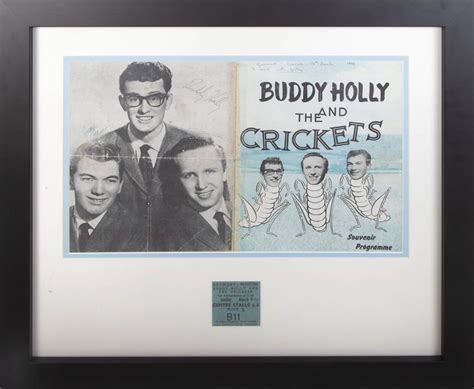
Buddy Holly’s contributions to music—from his vocal style to his guitar work and songwriting—shaped future legends like The Beatles, Bob Dylan, and Bruce Springsteen. Ritchie Valens introduced Chicano rock to the mainstream with “La Bamba,” and J.P. Richardson’s flamboyant persona helped shape rock showmanship.
Their music transcended generations, and so too does the emotional resonance of this site. It represents the fragility of life, the unpredictability of fame, and the permanence of legacy.
As one recent reviewer summed it up: “You are talking about 3 greats from the 1950s who crashed together at the same time. As a lover of 50s music, you really must have seen that.”
Conclusion: A Walk Through Time, Memory, and Melody
The Plane Crash Site of Buddy Holly is more than a historical marker—it is a living memorial to artistry, youth, and sudden loss. Visiting the site is a deeply personal experience, one that invites contemplation and gratitude. It’s a reminder of how quickly a life—and a legacy—can be transformed.
Whether you’re a lifelong music lover, a history enthusiast, or simply curious about one of the most defining moments in American pop culture, this solemn field in Clear Lake, Iowa offers something irreplaceable: a walk through time, memory, and melody.

In 2025, the music may have died decades ago—but its echo still sings in the soil, in the wind, and in the hearts of every visitor who makes the pilgrimage down that quiet path between the cornfields.