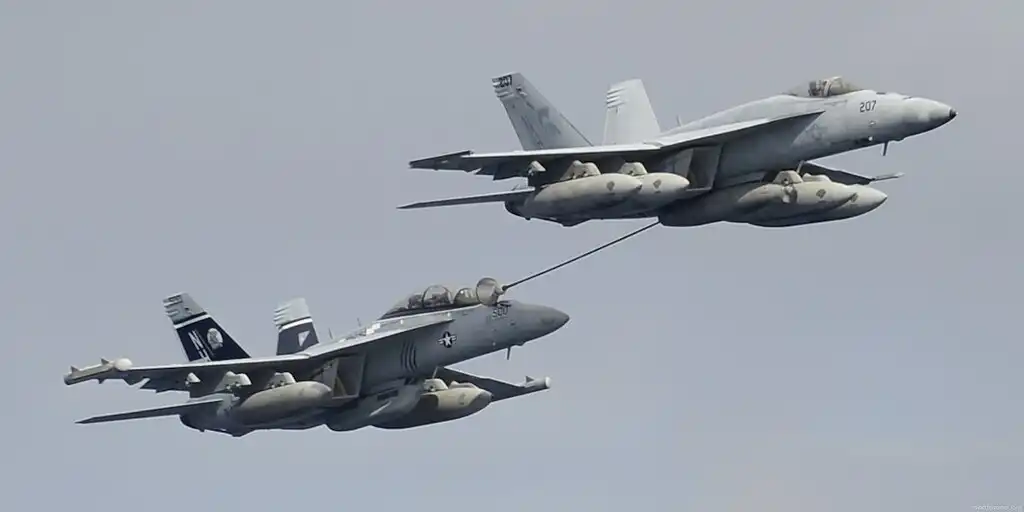
The F/A-18 Super Hornet stands as a pillar of U.S. Navy carrier aviation, demonstrating remarkable versatility across air-to-air combat, strike missions, and aerial refueling. One of its key capabilities, Buddy Refueling, enhances operational endurance, allowing carrier-based aircraft to extend their range and mission duration without the need for dedicated tanker aircraft. This capability is vital in maritime operations where land-based refueling assets are unavailable.
Technical Overview of F-18 Buddy Refueling
Refueling System and Equipment
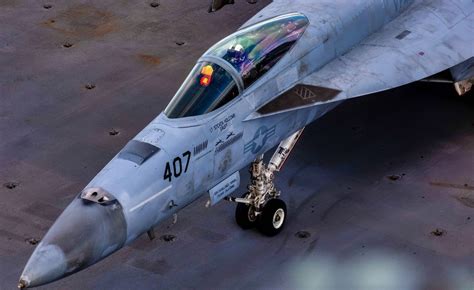
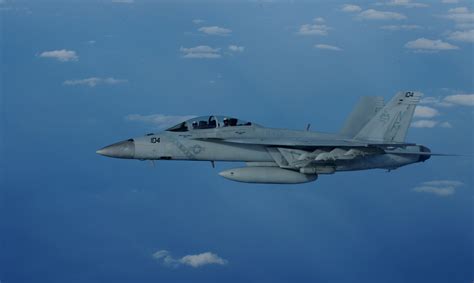
The F/A-18 employs a probe-and-drogue system for aerial refueling, which consists of the following components:
- Refueling Pod: The aircraft carries a Cobham aerial refueling pod, weighing approximately 600 kg, housing an extendable hose and a drogue funnel. The system integrates fuel pumps and a retractable hose reel, enabling rapid deployment during flight.
- Fuel Transfer Rate: The system transfers fuel at a rate of 1,500–2,000 liters per minute, ensuring efficient mid-air refueling operations.
- Fuel Capacity: Depending on the mission profile, an F/A-18 can carry one or two refueling pods, supplying an additional 3–5 tons of fuel to other aircraft in need.
- Compatibility: The probe-and-drogue system is fully compatible with various U.S. Navy carrier-based aircraft, including the F-35C Lightning II, EA-18G Growler, and E-2D Hawkeye.
Historical Development and Tactical Necessity
Origins and Early Implementations
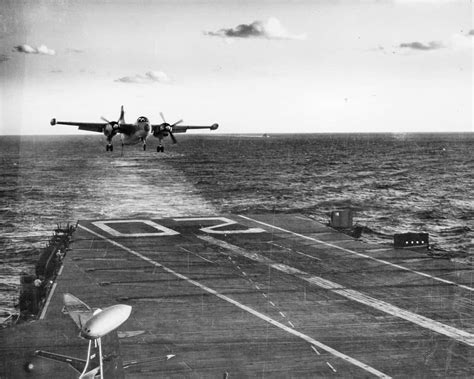
Aerial refueling within the U.S. Navy dates back to the 1950s, driven by the need to extend the operational range of carrier-based jet aircraft. Key milestones include:
- 1952: The AJ-1 Savage, an early carrier-based attack aircraft, was modified for air-to-air refueling.
- 1960s Cold War Era: The A-3 Skywarrior, a large carrier-based bomber, served as a dedicated refueling platform, but its size created logistical constraints on carrier decks.
- 1980s Introduction of F/A-18: The development of the F/A-18 Hornet addressed these limitations, providing a fighter with built-in aerial refueling capabilities, reducing dependency on large tankers like the KC-130.
Operational Procedure and Tactical Benefits
Step-by-Step Aerial Refueling Process
- Pre-Flight Configuration: Before launch, the F/A-18 is equipped with refueling pods, ensuring optimal fuel loadouts while retaining select weapon stations for self-defense.
- In-Flight Hookup: The receiving aircraft extends its probe to connect with the Super Hornet’s drogue. Proper alignment is crucial to maintain a stable fuel transfer.
- Fuel Transfer: Once connected, fuel is pumped at a steady rate, with an average transfer time of a few minutes per aircraft.
- Mission Continuation: Upon completion, the refueling hose retracts, and both aircraft resume their designated combat or reconnaissance missions.
Strategic and Tactical Advantages
The F-18’s Buddy Refueling capability enhances carrier strike group effectiveness in several ways:
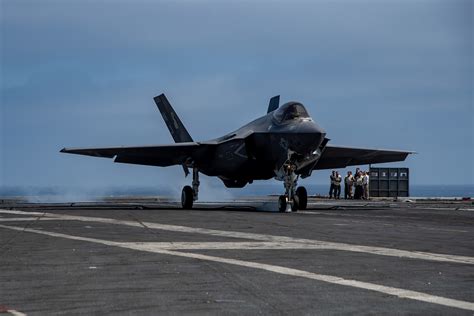
- Extended Combat Radius: Carrier-based fighters like the F-35C can increase their operational range beyond 2,200 km, allowing deeper penetration into contested airspace.
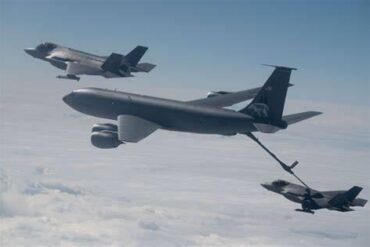
- Reduced Dependence on Large Tankers: Traditional aerial tankers like the KC-135 and KC-130 are vulnerable in high-threat environments. F/A-18 tankers can operate closer to contested areas, reducing risk exposure.
- Increased Mission Flexibility: The ability to refuel in-flight allows multi-role aircraft to sustain operations for prolonged periods, supporting air superiority, close air support, and deep strike missions.
- Fleet Survivability: Distributing refueling tasks across multiple Super Hornets reduces the risk of losing a single high-value tanker asset.
Limitations and Future Enhancements
Despite its advantages, F-18 Buddy Refueling has certain drawbacks:
- Fuel Transfer Limitations: Compared to dedicated tankers, the F/A-18’s fuel offload capacity is restricted, limiting the number of aircraft it can support.
- Payload Trade-Offs: Carrying refueling pods reduces available weapon stations, impacting combat capability.
- Pilot Workload: Operating as both a tanker and a strike fighter increases pilot fatigue during extended missions.
Future Technological Advancements
To address these challenges, the U.S. Navy is actively exploring next-generation aerial refueling solutions, including:
- Advanced Refueling Pods: Upcoming systems will feature higher flow rates and automated connection technology, reducing hookup time and pilot workload.
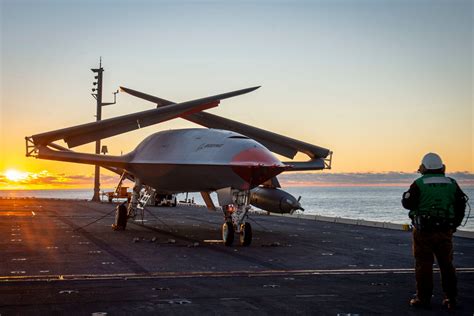
- MQ-25 Stingray: The MQ-25 unmanned aerial refueling drone is being developed to assume the primary tanking role, allowing F/A-18s to focus on combat missions.
Real-World Combat Applications
Gulf War (1991)
During Operation Desert Storm, F/A-18s provided aerial refueling to EA-6B Prowler electronic warfare aircraft, ensuring continuous suppression of enemy air defenses.
South China Sea Deployments
In modern Indo-Pacific operations, the U.S. Navy relies heavily on Buddy Refueling to sustain extended air patrols over contested waters, enhancing deterrence capabilities.
Conclusion
The F/A-18’s Buddy Refueling capability is an indispensable force multiplier for carrier air operations, enabling extended combat radius, flexible mission execution, and reduced dependency on vulnerable tanker aircraft. As naval warfare evolves, innovations like MQ-25 UAV refueling will further enhance carrier strike group endurance and operational reach.
Frequently Asked Questions
How much fuel can an F/A-18 transfer in Buddy Refueling mode?
An F/A-18 equipped with one or two refueling pods can transfer approximately 3–5 tons of fuel, depending on mission configuration.
Which aircraft can receive fuel from an F/A-18 Buddy Refueling system?
The system is compatible with U.S. Navy aircraft including the F-35C Lightning II, EA-18G Growler, E-2D Hawkeye, and other probe-equipped allies.
What is the main advantage of Buddy Refueling over traditional tankers?
Unlike larger tankers like the KC-130 or KC-135, F/A-18s can operate within contested areas, reducing risk and increasing fleet survivability in high-threat environments.