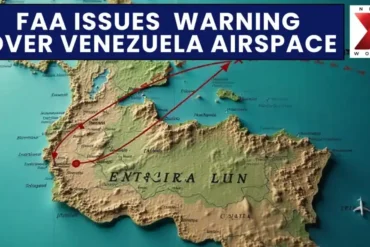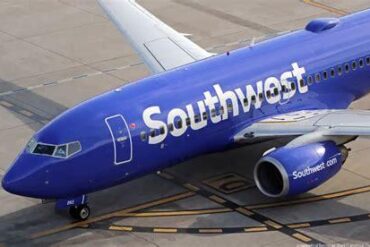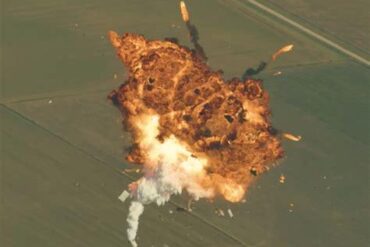
The United States Federal Aviation Administration (FAA) has issued an emergency ban on US aircraft operations in Venezuelan airspace, following a dramatic escalation of military activity and multiple explosions in the capital, Caracas. The decision, effective from 06:00 UTC on January 3, 2026, underscores rapidly deteriorating flight safety conditions over the South American nation and marks a severe shift in US-Venezuela aviation dynamics.
FAA Reacts Swiftly Amid Airstrikes Near Caracas
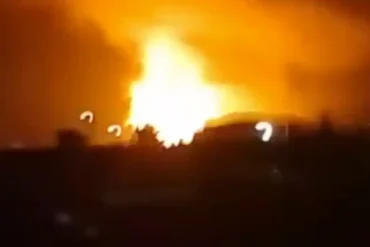
In the early hours of January 3, a series of loud explosions and low-flying aircraft were reported over Caracas, with apparent strikes targeting sensitive military facilities such as La Carlota airbase and Fort Tiuna, central pillars of Venezuelan defense infrastructure. Local sources claim the home of Venezuela’s defense minister was also struck, suggesting a deliberate attempt to destabilize the country’s military command structure.
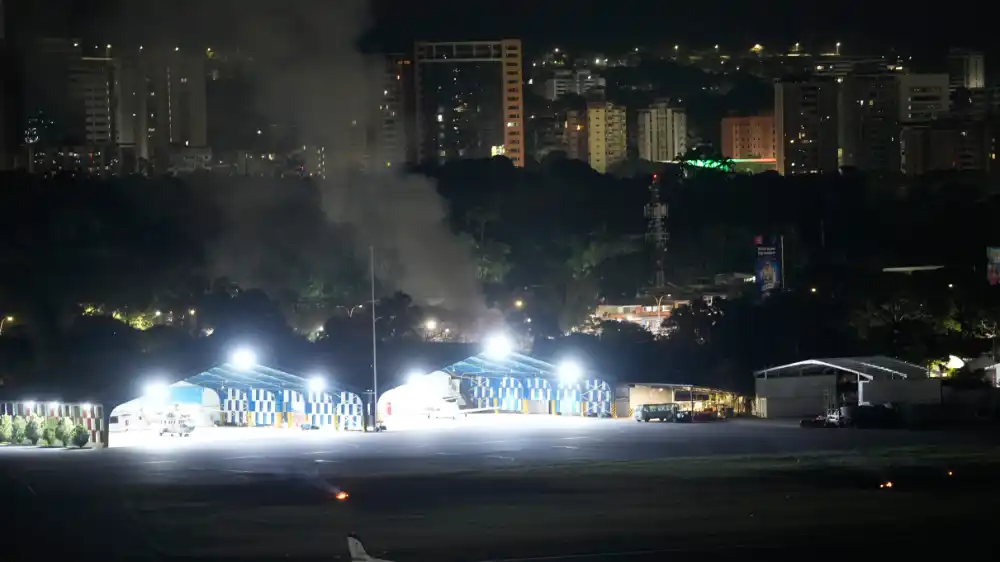
Amid this volatility, the FAA issued a Notice to Airmen (NOTAM), stating:
“[US aircraft] are prohibited from operating at all altitudes in the Maiquetia flight information region, due to safety-of-flight risks associated with ongoing military activity.”
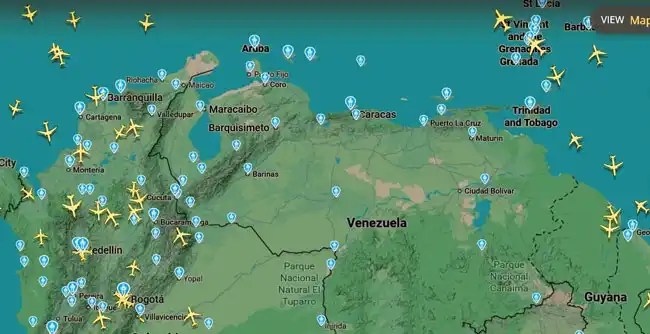
The ban applies to all US-registered aircraft and commercial operators, with exceptions made only for military and US state aircraft. By mid-morning, flight tracking platforms showed Venezuelan airspace had become a virtual void, as commercial carriers rapidly rerouted.
Empty Skies: Venezuelan Airspace Evacuated
As of January 3, Flightradar24 data confirms the complete absence of civilian air traffic over Venezuela. Aircraft en route between North and South America have taken lengthy detours, skirting the Venezuelan border and congesting alternate corridors through Colombia and the Caribbean. The vacuum over Venezuela’s skies reflects both FAA orders and growing concern from international carriers.
Airlines, including JetBlue, American Airlines, and Copa Airlines, had already reduced or suspended services to Venezuela amid mounting security warnings. Today’s blanket ban accelerates that trend and leaves Venezuela increasingly isolated from international commercial aviation.
US Military Activity Escalates: Transponders Disabled
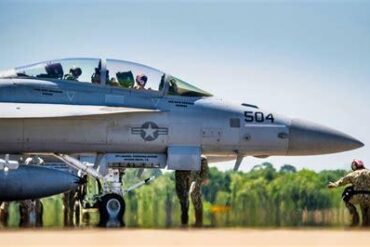
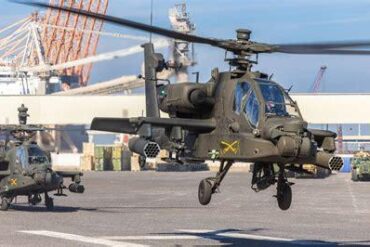
The FAA decision comes after weeks of intensified US military operations in and around Venezuela. Multiple eyewitnesses reported low-flying aircraft, including helicopters and unmarked planes, maneuvering through the skies of Caracas. Analysts suggest these may be US special forces aircraft, possibly executing covert operations in tandem with airstrikes.
More critically, US Air Force (USAF) aircraft have been operating with transponders turned off, a move that renders them invisible to standard civilian aircraft detection systems like Traffic Collision Avoidance Systems (TCAS). While such stealth is common in combat zones, its use in proximity to civilian routes raises the risk of mid-air collisions.
A Pentagon official, speaking on condition of anonymity, noted that “all USAF aircraft in the region have now disabled transponders for operational security.” This tactic likely indicates an expanded footprint of US assets, including reconnaissance, refueling, and potentially combat airframes, preparing for sustained operations.
Global Eyes on the Caribbean: Stratotanker Becomes Most-Tracked Aircraft
Amid the secrecy, one KC-135R Stratotanker has drawn global attention. The aircraft, registered 58-0016, was seen circling over the Caribbean Sea near Puerto Rico, remaining visible even as others went dark. Its likely mission: aerial refueling, sustaining US fighter jets and surveillance aircraft operating covertly over or near Venezuela.
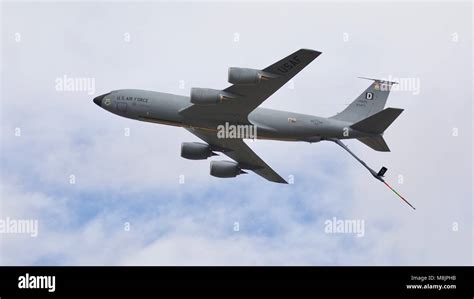
At its peak, the Stratotanker was tracked by over 30,000 users, highlighting the global curiosity — and concern — over rising military tensions in the Western Hemisphere.
Near-Misses Highlight Airspace Risk
The FAA’s emergency ban is not just political; it’s driven by concrete safety concerns. In recent weeks, a series of near-collisions have occurred involving US military aircraft flying without transponders and commercial flights.
On December 12, 2025, a JetBlue Airbus A320, climbing out of Curaçao en route to JFK, had a close encounter with a US Air Force tanker. The crew was forced to take evasive action after spotting the untracked military plane. Just days later, a private jet traveling from Aruba to Miami narrowly avoided a similar incident.
These incidents underscore the hazards of uncoordinated military operations in shared airspace, especially in regions with frequent commercial traffic. Experts have long warned of the risk posed by “dark” military flights near busy civilian corridors.
Strategic Implications of the FAA Ban
The FAA’s decision signals a new phase of US involvement in Venezuelan affairs. While Washington has previously issued cautionary advisories regarding Venezuelan airspace, this full-scale ban represents a rare and aggressive escalation.
It also places pressure on regional partners. Neighboring countries such as Colombia, Guyana, and Brazil may be drawn into the logistical and operational orbit of US military actions. The Caribbean, meanwhile, emerges as a critical staging ground, with US territories like Puerto Rico playing a central role.
Airlines are now tasked with longer flight routes, increasing fuel costs and complicating operations between North and South America. For passengers and cargo, delays and cancellations are inevitable.
Venezuela Responds: Rhetoric and Silence
Venezuelan officials have yet to issue a formal response to the FAA ban, but state media have begun a campaign denouncing what they call “imperialist aggression.” President Nicolás Maduro, whose grip on power has faced domestic and international pressure, is expected to address the nation in the coming days.
Meanwhile, unofficial reports suggest communications blackouts in parts of Caracas and increased military checkpoints around key installations. The Venezuelan armed forces are likely on high alert, preparing for further incursions or retaliatory actions.
Regional Aviation Faces Turbulence Ahead
The FAA’s emergency NOTAM throws Latin American aviation logistics into uncertainty. Routes once reliant on Venezuelan air corridors must now shift westward or over longer sea paths. This has implications not only for fuel consumption and scheduling but also for air traffic management and congestion in neighboring flight regions.
Moreover, insurance premiums for overflight and landing rights in surrounding countries may increase, particularly if tensions spill beyond Venezuela’s borders. Airlines are expected to reassess route profitability, with some carriers potentially exiting the market altogether.
Outlook: How Long Will the Ban Last?
As of now, the FAA has not provided a timeline for lifting the restriction. Historically, airspace closures tied to geopolitical conflict or military action can remain in place for months or even years, depending on how the situation evolves.
Given the scale of reported airstrikes and covert activity, the US may be preparing for a longer-term campaign in the region. The FAA will likely continue to monitor developments closely, updating guidance based on military movements and airspace safety assessments.
Until then, Venezuelan airspace remains off-limits, marking a significant moment in the intersection of aviation, national security, and geopolitics.