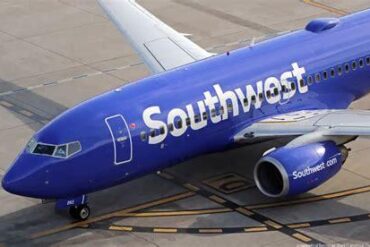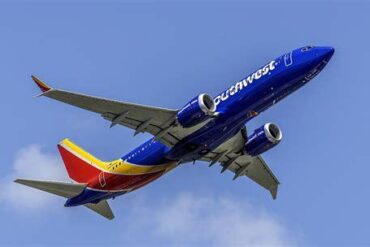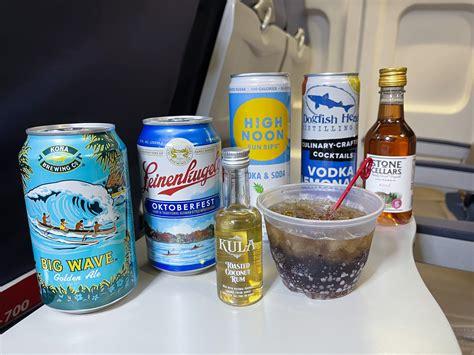
In the scorching summer of 2024, Southwest Airlines was blindsided by an unusual but serious safety issue that directly impacted flight operations: exploding soda cans. As heatwaves ravaged the Southwestern United States, with ground temperatures soaring well above 100 degrees Fahrenheit, the airline faced an operational hazard it had never anticipated. Flight attendants across multiple routes began reporting incidents of pressurized soda cans bursting midair, injuring more than 20 crew members and forcing the airline to overhaul how it handles inflight beverage provisioning.
Unlike legacy carriers that use refrigerated catering trucks, Southwest’s cost-saving model relies on non-refrigerated ground vehicles. This once-efficient approach exposed the airline to the wrath of climate extremes, making something as seemingly harmless as a can of soda a dangerous projectile at cruising altitude.
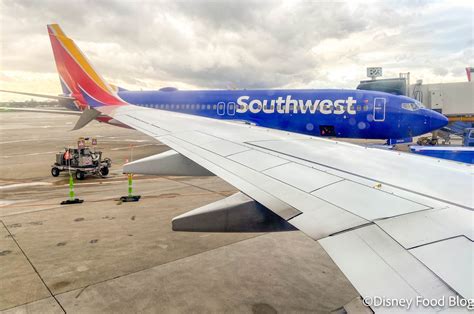
The Explosive Problem That Caught Southwest Off Guard
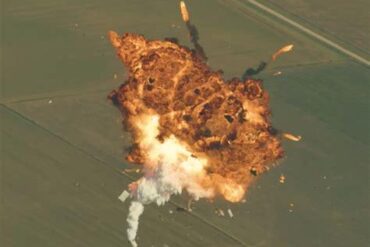
It all began when reports started surfacing from hubs like Phoenix, Las Vegas, and Dallas, where flights were experiencing a shocking pattern: flight attendants were being injured by exploding soda cans mid-flight. The phenomenon was more than just startling—it was hazardous. Cans stored on the ramp in triple-digit heat were reaching dangerous internal pressures. Once airborne, the sudden drop in cabin pressure would push these overheated cans over the edge, causing them to burst open or warp violently when opened.
The situation escalated quickly. Reports from CBS News and internal union documents confirmed that over 20 crew members had been injured, including one who required stitches after a can ruptured in her hand. Social media posts from Southwest employee forums painted an alarming picture of daily operations being disrupted and morale plummeting as flight attendants feared for their safety with every beverage service.
Key Hubs Affected By The Midair Can Crisis
Southwest Airlines operates over 4,000 flights daily, and many of those flights originate in heat-prone cities. The affected hubs included:
- Phoenix Sky Harbor International Airport (PHX)
- Harry Reid International Airport (LAS)
- Dallas Love Field (DAL)
- Austin Bergstrom International Airport (AUS)
- Houston Hobby Airport (HOU)
- Sacramento International Airport (SMF)
Each of these airports recorded multiple cases of ruptured soda cans, with temperature spikes becoming more frequent through late spring and the height of summer. Temperatures in Las Vegas peaked at 120°F, making unprotected ground storage of beverages an undeniable hazard.
The Perfect Storm: Why These Explosions Kept Happening
Three intertwined variables created the explosive cocktail onboard:
- Extreme Ground Temperatures: With open-air trailers baking on hot tarmacs, soda cans absorbed intense heat for hours before loading.
- Non-Refrigerated Transportation: Southwest’s cost-saving strategy excluded refrigerated trucks, relying instead on basic air-conditioned trailers.
- Cabin Pressure Differential: As aircraft ascend, cabin pressure drops, and when combined with already overheated cans, it drastically increases the risk of rupture.
This pressure-temperature imbalance made routine beverage service dangerous, especially as the airline continued to use standard 12-ounce aluminum cans, which were highly susceptible to deformation under these conditions.
Emergency Measures: Southwest’s Immediate Response
Once the extent of the danger became clear, Southwest Airlines moved quickly to mitigate the risk. The first major change came in the form of digital temperature checks. Ground crews began using infrared thermometers to scan individual cans before loading. Cans exceeding 98°F were pulled from service and moved into cooling.
Next, Southwest altered how beverages were transported and stored. Fewer cans were loaded per trip, and insulated containers were introduced at select hubs. Phoenix and Las Vegas were among the first cities to receive high-capacity insulated coolers, which kept the cans in a more controlled environment before loading.
Cabin crew members were also retrained to inspect cans for bulging, excessive heat, or signs of damage before serving. If anything appeared off, they were instructed to replace the item discreetly and explain the situation to passengers. In a handful of locations, the airline went a step further and introduced air-conditioned trucks—a first in Southwest’s operational history.
The Long-Term Overhaul: A New Catering Blueprint
Recognizing that temporary fixes weren’t enough, Southwest’s leadership partnered with TWU Local 556, the union representing its flight attendants, to roll out a long-term solution. This multiphase plan includes:
- Deployment of refrigerated warehouse trailers at major provisioning centers.
- Testing of fully air-conditioned catering trucks at hubs most affected by extreme temperatures.
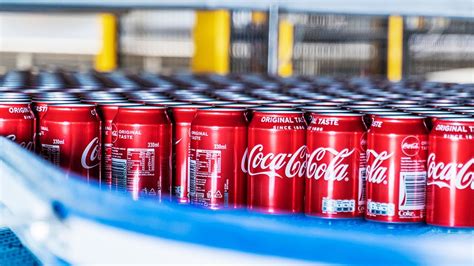
- Collaboration with Coca-Cola to investigate the use of smaller 7.5-ounce cans, made from alternative materials more resistant to heat expansion.
Behind the scenes, Southwest’s Safety and Quality Assurance teams now analyze ground temperature data daily. This helps the airline proactively shift operations when ambient temperatures rise above critical thresholds, preventing incidents before they occur.
These changes mark a fundamental shift in how the airline manages even its simplest onboard amenities, reflecting the broader industry trend toward climate-resilient operations.
A Wake-Up Call for the Entire Airline Industry
The exploding soda can crisis isn’t just a footnote in Southwest’s operational history—it’s a cautionary tale for the entire aviation sector. For decades, budget carriers have relied on lean operations, often cutting back on frills like refrigerated logistics. But climate change has upended that logic. The summer of 2024 has demonstrated that even “non-perishable” items like soda cans can become dangerous liabilities under extreme environmental stress.
Southwest’s experience may push regulators like the Federal Aviation Administration (FAA) to reconsider minimum safety requirements around onboard provisioning, particularly in extreme climates. While no federal mandate has been introduced yet, discussions within the airline industry suggest that nationwide standards for food and beverage storage on the ground may soon be on the table.
Financial and Operational Consequences
Behind the scenes, there’s also a financial toll. Adding refrigerated trucks, deploying insulated containers, conducting temperature screening, and possibly downsizing can volumes—these all represent new costs that cut into Southwest’s razor-thin margins. For an airline whose entire brand hinges on being a low-cost carrier, any rise in operational expenses could impact its pricing model or push Southwest to revise its broader service offerings.
This issue also dovetails with other controversial changes recently announced by the airline, such as the end of its “bags fly free” policy. Passengers, already vocal on platforms like Reddit and Twitter, are beginning to wonder if the airline’s cost-cutting era is finally colliding with operational realities in a warming world.
Industry-Wide Implications: Rethinking Inflight Beverage Safety
Airlines everywhere are now forced to consider a radical proposition: Should all beverages be refrigerated prior to flight, regardless of perishability? While this sounds excessive, the implications of failing to do so could be severe, particularly as climate volatility intensifies.
As Southwest rethinks its approach, other carriers—especially low-cost competitors like Spirit Airlines and Allegiant Air—are likely watching closely. The era of minimalist provisioning may be drawing to a close, replaced by smarter, climate-adaptive logistics that treat heat waves with the seriousness they deserve.
Conclusion: A Cautionary Tale of Modern Air Travel
Southwest Airlines’ inflight soda crisis might seem like a quirky anomaly at first glance, but it encapsulates much more than spilled cola. It’s a stark reminder of how even the most mundane aspect of air travel can become dangerous in the face of record-breaking climate extremes. As passenger expectations evolve and the planet continues to warm, airlines can no longer afford to ignore the intersection of safety, cost, and environment.
For Southwest, a can of soda became the flashpoint for deep institutional change. The airline has responded with urgency and innovation, but the incident remains a high-profile lesson in what happens when low-cost models meet high-stakes conditions. More than just a midair mess, it’s a harbinger of the operational transformations aviation must embrace in the climate age.