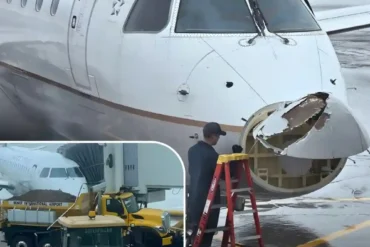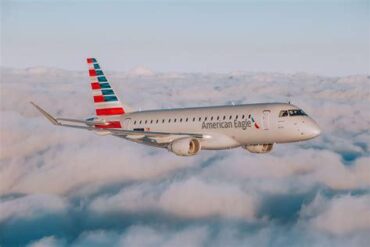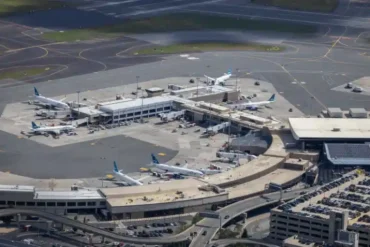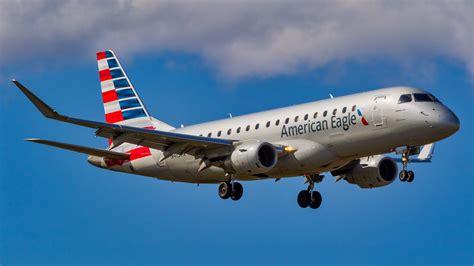
An American Eagle Embraer E175, operated by Republic Airways, was grounded at Boston Logan International Airport (BOS) following a collision with a catering truck, resulting in significant damage to the aircraft’s lower fuselage. The incident, which occurred on the ramp during a routine service window, involved a Sky Chefs catering vehicle, whose driver sustained minor injuries, according to reports by Boston 25 News. Fortunately, there were no passengers or crew onboard the aircraft at the time of the crash.
Incident Details: Ground Collision Raises Major Safety Concerns
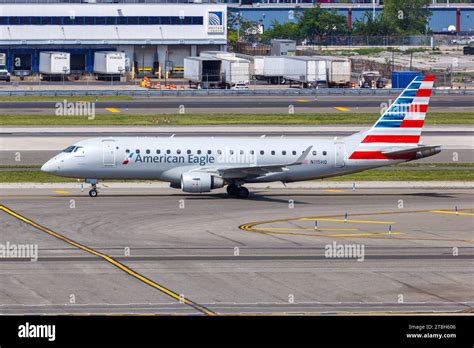
The collision took place while the aircraft was parked on the ramp, preparing for a turnaround. The vehicle reportedly struck the underside of the Embraer E175, registration N432YX, causing visible deformation to the aircraft’s skin. Early photographic evidence shared via social media platforms suggests a noticeable impact site that raises immediate red flags regarding pressurization integrity and structural safety.
Experts emphasize the criticality of fuselage integrity in any pressurized aircraft. Even seemingly minor structural damage can compromise airworthiness, particularly if the cabin is exposed to pressurization stress during high-altitude flight. Structural breaches or punctures must be carefully evaluated and repaired in compliance with strict FAA-certified maintenance protocols.
About the Aircraft: N432YX, An Experienced Workhorse
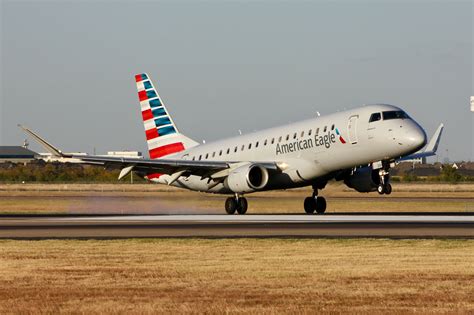
The Embraer E175 involved in the incident, tail number N432YX, is an 11-year-old aircraft that has served exclusively in the Republic Airways fleet since delivery. With a fleet composed entirely of Embraer 170 and 175 jets, Republic operates under the American Eagle, Delta Connection, and United Express banners.
Known for its superior comfort among regional jets, the E175 is equipped with General Electric CF34 engines, enabling it to cruise at 41,000 feet with performance characteristics resembling larger narrow-body aircraft like the Boeing 737. Its wide cabin, quiet ride, and efficient layout make it a favorite among both passengers and regional carriers.
Maintenance Protocol: The Hidden Complexity Behind Structural Repairs
Repairing fuselage damage on modern regional jets is far from simple. In cases like this, the aircraft must undergo a non-destructive evaluation (NDE) to assess the extent of internal structural damage. Ultrasonic and eddy current testing are frequently used to detect cracks, delamination, or hidden weaknesses in both aluminum and composite materials.
Should the damage involve key load-bearing elements or compromise pressure vessel integrity, engineers must perform a detailed Finite Element Analysis (FEA). This digital simulation allows technicians to model how stress will redistribute throughout the structure post-repair. The process helps ensure that any fixes restore the aircraft’s ability to handle in-flight pressurization cycles without risk of rupture or failure.
Composite and metallic repairs demand vastly different techniques. While aluminum skin panels may be repaired via welding and localized heat treatments, composite sections require layered material replacement, cured under precise temperature and pressure profiles. Any deviation from procedure could reduce the repair’s longevity or lead to catastrophic in-flight failures.
Safety at the Ramp: Ground Incidents on the Rise
While runway incursions and mid-air emergencies often capture public attention, ramp area collisions and operational hazards are a serious and growing concern in U.S. aviation. Ground collisions involving servicing vehicles, jet bridges, and tugs occur more frequently than is publicly reported, with many incidents resulting in delays, financial damages, and occasionally injuries.
The ramp environment is high-pressure and fast-paced, particularly at major hub airports like BOS. Servicing teams are often working under time constraints to turn aircraft within tight schedules. Fatigue, poor visibility, and procedural lapses frequently contribute to these events.
Airports and carriers are increasingly investing in automated vehicle detection systems, ramp surveillance, and enhanced employee safety training programs to mitigate the risk. However, as long as human-operated ground vehicles continue to interact with aircraft, the possibility of contact-related accidents remains.
Republic Airways: An Industry Pillar in Regional Aviation
Republic Airways, headquartered in Carmel, Indiana, has become one of the largest regional air carriers in the U.S., with a fleet of more than 240 Embraer 170 and 175 jets. The airline employs over 6,000 staff members and serves as a critical subcontracted service provider for American Airlines, Delta Air Lines, and United Airlines.
In 2021, the airline opened a state-of-the-art training campus and corporate headquarters, part of a multi-year strategy to position itself as a leader in regional pilot training and operations. According to Matt Koscal, Republic’s Chief Administrative Officer, the new campus ensures Republic “can attract and retain the most talented and trained professionals in aviation.”
The investment comes amid a growing demand for regional air travel in the post-pandemic recovery era, with airlines expanding schedules and returning aircraft to service. Republic’s reputation for safety and efficiency has made it a go-to partner for the Big Three U.S. legacy carriers.
Repair Timeline: What Happens Next for N432YX?
While the full timeline for repairs remains unclear, industry precedent suggests the aircraft will undergo weeks of inspection, certification, and post-repair validation before it is cleared to return to service. The process typically involves:
- Initial damage assessment by certified A&P mechanics
- NDE scanning to detect sub-surface flaws
- Coordination with Embraer’s repair engineering division
- Application of FAA-compliant structural repair manuals (SRMs)
- Post-repair inspections and flight tests
Aircraft that sustain fuselage damage must demonstrate air-tight sealing and stress endurance through pressure tests on the ground before re-entering passenger operations. Any lapses in this process can lead to flight safety violations or emergency diversions, as seen in previous incidents involving sudden cabin depressurization.
Passenger Impact and Operational Disruptions
The aircraft involved was fortunately empty at the time of the incident, so no passengers were directly impacted. However, aircraft unavailability in a tightly scheduled regional fleet like that of Republic Airways can have cascading effects.
Regional operations often operate on hub-and-spoke models, where a single jet’s absence can disrupt dozens of connections. Airlines must quickly decide whether to reassign aircraft, delay services, or cancel flights outright. Passengers on affected routes can experience missed connections, rebooking challenges, or last-minute gate changes.
While Republic and American Airlines have not officially disclosed the total number of disrupted flights, the Embraer E175’s heavy deployment across East Coast and Midwest short-haul routes means delays were likely felt in multiple cities.
A Wider Look: Embraer’s Dominance in U.S. Regional Markets
The Embraer E175 has become the backbone of North American regional aviation. With major carriers like SkyWest Airlines also investing in over 60 new E175 jets valued at $3.6 billion, the platform’s popularity shows no signs of waning. The aircraft’s performance, fuel efficiency, and passenger-friendly layout have earned it a dominant market share.
Its configuration usually includes 76 seats in a two-class layout, offering features typically found in larger aircraft such as premium cabins, in-seat power, and enhanced cabin quietness. Designed for sectors under 1,000 nautical miles, the E175 is ideal for connecting smaller markets to major hubs.
Conclusion: A Cautionary Tale in Ground Operations
The incident at Boston Logan is a powerful reminder of the complex orchestration behind every flight, extending far beyond the cockpit and cabin crew. Ground safety is an often underappreciated pillar of aviation, and incidents like this underscore the fragility of that ecosystem.
As Republic Airways moves to repair N432YX, passengers and stakeholders alike will watch closely for operational resilience and transparency. In an industry where safety is the non-negotiable baseline, even a low-speed collision can spark industry-wide conversations about procedures, training, and accountability.
For now, the aircraft remains grounded, the ramp under scrutiny, and a clear lesson reverberates across the tarmac: every inch of an airport, from tower to taxiway, must operate with synchronized precision.