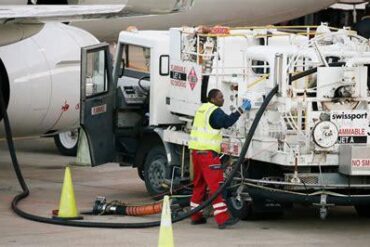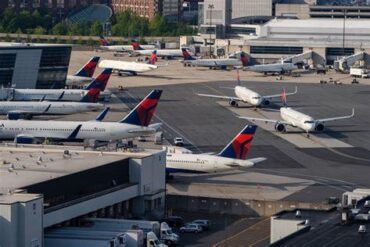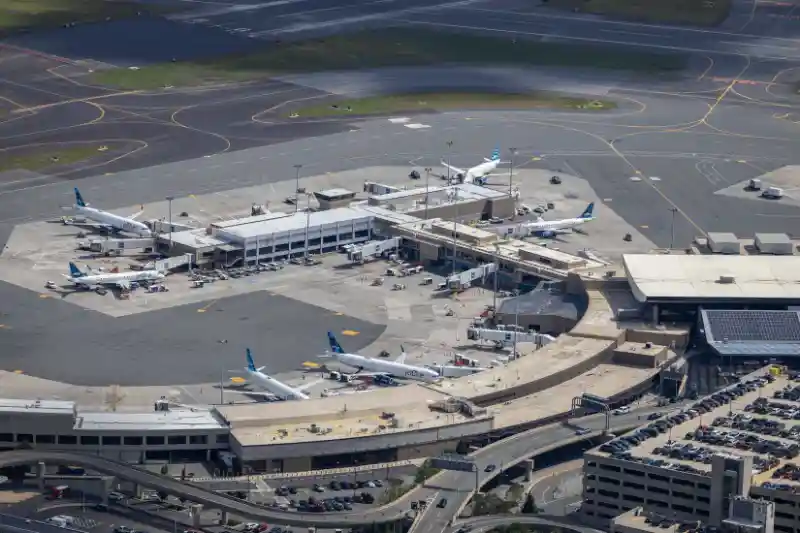
A major fueling system failure at Boston Logan International Airport (BOS) caused widespread disruption across the United States aviation network, leaving thousands of travelers stranded during one of the busiest holiday weekends of the year. The incident forced the Federal Aviation Administration (FAA) to impose a temporary ground stop after aircraft parked at gates could no longer access the airport’s centralized jet fuel distribution system. The operational breakdown resulted in more than 370 delayed flights and over 100 cancellations, demonstrating how a single infrastructure failure can rapidly cascade through the nation’s interconnected airline system.
The disruption unfolded on Sunday evening during the peak of the Fourth of July travel period, when airlines were already operating tightly packed schedules to accommodate heavy passenger demand. As departures ground to a halt, aircraft remained parked at gates waiting for fuel, preventing arriving flights from accessing parking positions and creating congestion that quickly spread throughout the airport. Unlike weather-related delays that typically affect only certain routes or time periods, the fueling failure impacted virtually every airline operating from Boston Logan because they all rely on the same airport-wide fuel delivery network.
Airport officials confirmed the problem originated within Logan’s centralized fueling infrastructure rather than with any individual airline. The system distributes jet fuel directly to aircraft parked at gates, allowing airlines to prepare departures efficiently throughout the day. When the network became unavailable, normal refueling operations stopped almost immediately, leaving aircraft unable to depart regardless of crew availability or weather conditions.
Fuel Distribution Breakdown Brings Airport Operations To A Standstill
According to the Massachusetts Port Authority (Massport), the interruption centered on the airport’s integrated fuel distribution system, which supplies jet fuel across Logan’s terminals and gates. The FAA responded by issuing a ground stop to prevent additional departures while technicians worked to restore the system. BOSfuel Corporation, the organization responsible for managing Logan’s jet fuel infrastructure, had not publicly disclosed the exact technical cause of the malfunction as recovery efforts continued.
Aviation journalist David Slotnick highlighted an FAA advisory describing the situation in simple terms: “no fuel.” Without access to the airport’s underground fueling network, aircraft scheduled for departure could not legally or safely operate their flights. Although recovery crews reportedly began manually refueling some aircraft to restart limited operations, the interruption lasted long enough to create significant operational backlogs that extended well into the night.
Hundreds Of Delays Spread Across Airline Networks
The consequences reached far beyond Boston itself. As aircraft remained parked at gates awaiting fuel, arriving flights experienced delays or were diverted because gate space became increasingly limited. Airlines also struggled to reposition aircraft and flight crews, creating scheduling complications that affected flights across multiple cities throughout the United States.
Flight tracking services showed delays exceeding 370 flights, while cancellations eventually surpassed 100 departures as airlines adjusted schedules to match available aircraft and crew resources. Those numbers continued changing as carriers canceled additional services, rebooked passengers, and repositioned aircraft to restore normal operations.
Passengers described spending hours inside aircraft waiting for updates before flights were eventually canceled. Others encountered long queues at airline service counters while attempting to secure alternative itineraries, hotel accommodations, or travel vouchers. With holiday demand already filling many flights, rebooking options became increasingly limited, extending travel disruptions well beyond Sunday evening.
Operations Resume But Recovery Continues
Massport announced that the fueling issue had been resolved later Sunday night, allowing the FAA to lift the temporary ground stop and gradually restart departures. Even after fuel service returned to normal, however, airport officials cautioned that recovery would require considerable time because aircraft, flight crews, and passengers were no longer positioned where airline schedules expected them to be.
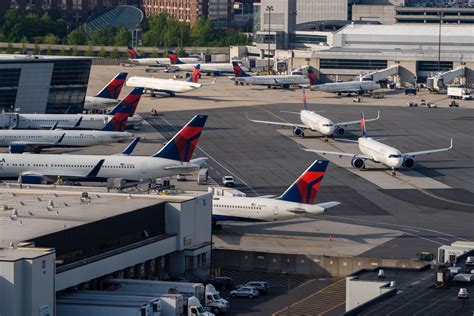
By Monday morning, departure boards continued displaying dozens of delays and cancellations despite the underlying technical problem having been corrected. Airlines worked throughout the day to restore aircraft rotations, reconnect passengers with available flights, and return flight schedules to normal. Because airline networks operate with carefully synchronized aircraft movements, even a relatively brief interruption can generate ripple effects lasting many hours.
Airport Infrastructure Failures Can Create Nationwide Disruptions
The Boston Logan incident illustrates the critical role that airport infrastructure plays in modern airline operations. While travelers often associate delays with severe weather or air traffic congestion, failures involving essential ground systems such as fueling infrastructure can halt airport activity almost instantly. Every commercial aircraft requires reliable access to jet fuel before departure, making centralized fueling networks among the most important components supporting daily flight operations.
At major hubs like Boston Logan, where hundreds of departures occur each day, even a temporary outage can disrupt airline schedules across the country. Aircraft delayed in Boston may miss subsequent flights elsewhere, crews can exceed legal duty limits, and passengers with connecting itineraries may face missed flights in multiple cities. Although normal fueling operations have resumed, the disruption serves as a reminder that critical airport infrastructure remains just as important to reliable air travel as runways, terminals, and air traffic control systems. Travelers flying through Boston following the incident were advised to verify their flight status before heading to the airport as airlines continued restoring normal operations.