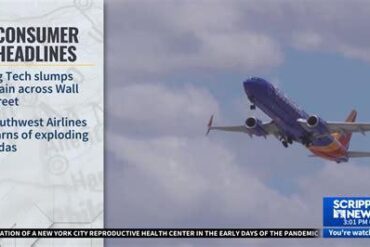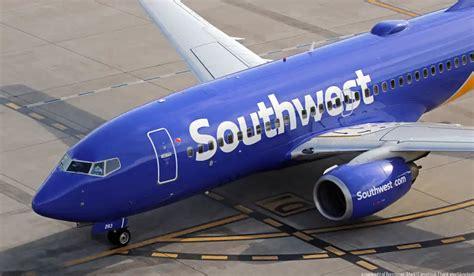
As record-breaking heatwaves sweep across the American Southwest, a seemingly minor issue is threatening to upend flight safety and airline operations: exploding soda cans aboard Southwest Airlines flights. What started as sporadic incidents has grown into a broader crisis, one that underscores the increasing risks posed by climate change on aviation logistics. As temperatures soar to 115°F in critical hubs like Phoenix and Las Vegas, concerns over safety, outdated practices, and thermal exposure have come to a boiling point.
Exploding Cans: A Threat Born From Temperature Extremes
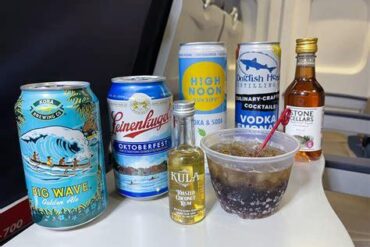
Carbonated beverages have long been a staple of in-flight services, valued for their convenience, long shelf life, and low cost. However, the very physics that make soda cans effective in normal conditions—pressurization and containment—also make them ticking time bombs under extreme heat.
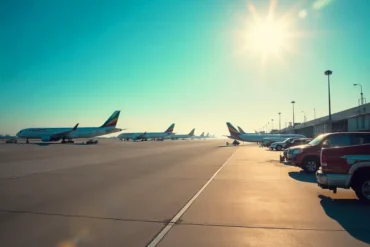
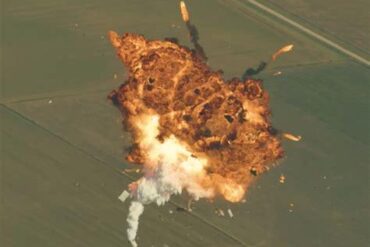
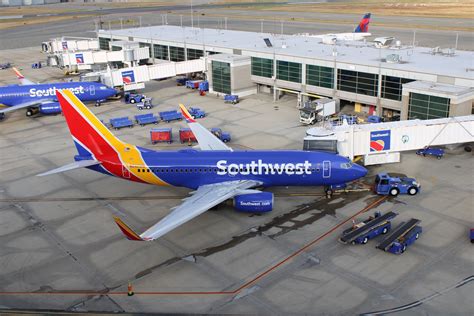
Once loaded onto aircraft without refrigeration, soda cans sit exposed on scorching tarmacs, absorbing solar heat that can raise internal temperatures well beyond their structural limits. When these cans are later opened mid-flight, the combination of residual thermal pressure and altitude-induced cabin decompression can cause violent ruptures, with soda spewing unpredictably. Though no fatalities have occurred, the risk of injury to flight attendants and passengers is significant.
By June 2024, over 100 soda can explosions had already been reported. But by summer 2025, the issue escalated as extreme weather patterns intensified across key regions. Southwest’s operational choices, including its lack of refrigerated storage facilities for beverages, further contributed to the crisis.
Behind the Curtain: Why Southwest Airlines Is Uniquely Vulnerable
Unlike legacy carriers such as Delta or United, Southwest Airlines does not serve perishable food. This operational model has allowed the airline to avoid refrigerated truck fleets for years. However, with climate-driven heat waves becoming the norm, this cost-saving choice has turned into a safety liability.
Soda cans, beer, and seltzer are now loaded onto planes from open-air trucks or warm storage bays, essentially subjected to oven-like conditions. With temperatures exceeding 100°F even before takeoff, Southwest’s ground logistics have proven ill-equipped to handle the thermal stress.
To mitigate the crisis, Southwest Airlines has recently invested in 60 refrigerated provisioning trucks, stationed strategically in Phoenix and Las Vegas. These units maintain an internal temperature of 40°F, ensuring beverages remain within safe parameters prior to boarding. This marks the company’s most significant operational pivot in years.
Safety Protocols Tighten: New Training, Tools, and Removal Policies
In addition to new trucks, flight attendants have received targeted training on identifying thermal stress indicators in soda cans. Cans showing bulging seams, warped sides, or temperatures above 98°F are now removed from in-flight service and sent back for cooling.
Ground crews have also been equipped with infrared heat guns, enabling real-time thermal monitoring of all pressurized beverages. If detected above threshold, the cans are withheld from aircraft loading. These measures—though critical—have only partially mitigated the threat.
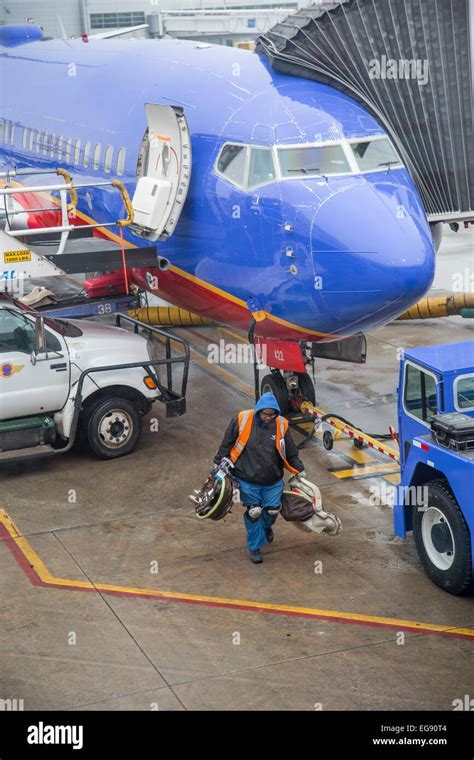
Despite improvements, frontline staff report that temperatures often exceed equipment tolerances, especially during midday hours when airport aprons become veritable furnaces. Cans continue to explode sporadically, sparking operational delays and posing injury risks.
Beyond Cans: Rethinking In-Flight Beverage Strategy in a Warming Climate
The explosive soda can dilemma isn’t just about beverage logistics—it’s a microcosm of broader climate challenges in aviation. As airline infrastructure strains under record heat, the question arises: is the model of canned beverages sustainable anymore?
A possible solution lies in SkyTender Solutions’ SkyBar SPLASH system. This innovation replaces traditional cans with modular beverage stations that mix drinks using filtered water and concentrated syrup. This not only removes the risk of exploding cans but also slashes waste, reduces loading time, and lightens aircraft loads.
Benefits of SkyBar SPLASH include:
- No use of pressurized containers
- Up to 50% reduction in environmental footprint
- Greater storage efficiency
- Reduced risk of injuries
Though SkyTender has yet to be widely adopted, its emergence marks a paradigm shift in beverage service. Airlines operating in hot climates are especially poised to benefit from such adaptable technologies.
Operational Stress Beyond the Cabin: Ground Crews at Breaking Point
The impact of extreme heat isn’t confined to beverage service. Ground operations at Phoenix Sky Harbor and Las Vegas McCarran have come under pressure, both literally and figuratively.
Ramp crews face triple-digit temperatures in full gear, often without adequate cooling infrastructure. Delays in beverage loading due to exploding cans only add to the pressure. Tarmac surfaces routinely exceed 130°F, creating heat islands that pose both safety and health risks for workers.
Even airport technology is buckling. Heat-related failures in baggage belts and cooling systems have been reported, adding to travel chaos. Maintenance crews must now treat temperature-related degradation as a critical operational hazard.
Climate Change and Air Travel: A Brewing Storm of Safety Concerns
Southwest Airlines’ soda problem may seem niche, but it speaks to the broader truth that commercial aviation is unprepared for a hotter world. Runway conditions, aircraft cooling systems, and even fuel efficiency are all adversely affected by prolonged heat exposure.
Aircraft performance itself degrades as air becomes thinner in extreme heat, requiring longer takeoff distances and increased thrust—thereby escalating fuel burn and cost. The Federal Aviation Administration (FAA) has already begun issuing heat-related safety advisories, and it’s expected that further regulations will emerge.
At a strategic level, airlines must now integrate climate resilience into every facet of their operation—from supply chains to crew training to onboard equipment. Ignoring such adaptations could invite not only operational failure but also potential litigation and reputational damage.
Passenger Safety and Experience: A Balancing Act Under Thermal Duress
For passengers, the exploding can dilemma is more than just a flying inconvenience. It adds to a growing list of heat-induced discomforts and anxieties: delays, overheated cabins, uncooled beverages, and in extreme cases, mid-air safety hazards.
Passengers have taken to social media with photos of soda-stained clothing, startled reactions, and delayed departures due to cabin cleanups. The perception of airline reliability and attentiveness is at stake. In a sector where customer experience directly influences brand loyalty, even small missteps can snowball into long-term losses.
With summer traffic rebounding post-pandemic, airlines can’t afford to appear indifferent to these risks. Public communication strategies, including transparency on safety measures and future innovations, are key to maintaining traveler trust.
Regulatory and Industry-Wide Implications: What’s Next for Airlines?
The soda crisis has now caught the attention of aviation safety boards and union leaders. Bill Bernal, the union president representing Southwest flight attendants, has called for a national heat safety directive for airlines. While Southwest’s response has been commendable, unions are pushing for:
- Mandatory refrigerated storage for all in-flight consumables
- Heat-index-based adjustments to crew workloads
- Incentives for adopting sustainable beverage technologies
Other carriers are taking notes. American Airlines and Delta are reported to be reviewing their provisioning logistics, especially in desert hubs like Dallas and Salt Lake City. What happens next at Southwest may well set industry precedent.
Conclusion: Will the Aviation Industry Adapt Before It’s Too Late?
Southwest Airlines’ struggle with exploding soda cans is not just about drinks—it’s about an aviation ecosystem under siege from extreme heat. What once seemed like a fringe issue is now a daily operational hazard, a climate-induced threat that demands swift, structural solutions.
As weather extremes grow more violent and persistent, airlines must evolve. Refrigerated trucks and heat guns are only the beginning. The future of safe, sustainable, and comfortable air travel depends on bold investments, innovative thinking, and an unwavering commitment to adapt.
Failure to act decisively risks not just sticky messes in the aisle, but the integrity of the entire in-flight experience. For passengers and crews alike, the message is clear: a hotter world requires cooler heads—and colder soda.