The pressure building inside Airbus is no longer confined to production lines or supplier meetings—it is now spilling into shareholder confidence and long-term strategic planning. As the European aerospace giant approaches its 2026 Annual General Meeting in Amsterdam, a persistent and disruptive challenge dominates the agenda: ongoing engine shortages linked to Pratt & Whitney’s Geared Turbofan (GTF) program. What began as a technical reliability issue has evolved into a full-scale industrial bottleneck, threatening aircraft deliveries, financial performance, and airline expansion plans worldwide.
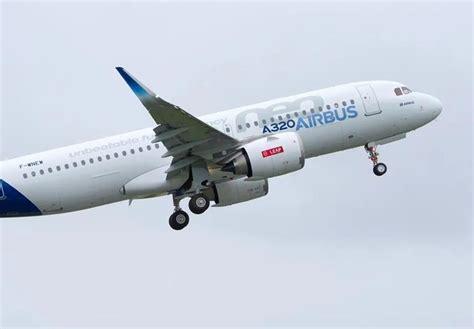
At the heart of the disruption lies Airbus’s dependence on Pratt & Whitney’s PW1000G family of engines, which power two of its most commercially vital aircraft programs—the A220 and the A320neo. These narrowbody jets represent the backbone of Airbus’s order book, with thousands of units scheduled for delivery over the coming decade. Yet, recurring problems involving engine durability, vibration anomalies, and corrosion risks have forced widespread inspections and removals, placing unprecedented strain on the supply chain.
GTF Engine Challenges Ripple Across Airbus Programs
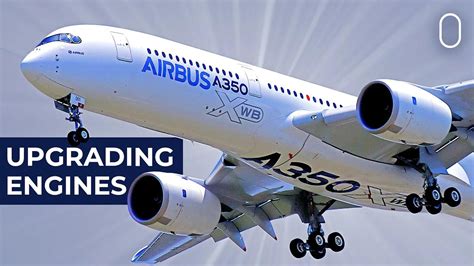
The Geared Turbofan engine was once marketed as a breakthrough in fuel efficiency and reduced emissions, but its operational setbacks have complicated that narrative. Airlines operating PW1100G and PW1500G engines have been compelled to ground aircraft for unscheduled maintenance, reducing fleet availability and triggering cascading logistical challenges. For Airbus, the implications are immediate and severe: engines intended for new aircraft are being redirected to sustain in-service fleets.
This redistribution has created a growing inventory of so-called “gliders”—fully assembled aircraft that cannot be delivered due to missing engines. These grounded assets tie up capital, occupy valuable production space, and delay revenue recognition. The situation illustrates a stark imbalance between airframe production capacity and engine availability, a mismatch that is proving increasingly difficult to manage as demand for new aircraft remains robust.
Production Ambitions Clash With Supply Constraints
Airbus has made no secret of its ambition to scale up output, particularly for the A320neo family, with a target of producing 75 aircraft per month by 2027. This aggressive ramp-up is designed to meet surging global demand for fuel-efficient narrowbody jets as airlines modernize fleets and expand routes. However, these plans hinge on a stable and predictable supply of engines—an assumption that no longer holds.
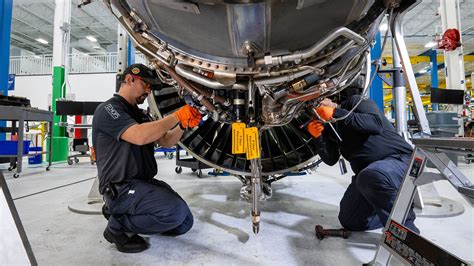
The additional maintenance cycles required for GTF engines have introduced unexpected variability into the supply chain. Spare engines are being consumed faster than anticipated, leaving fewer units available for new deliveries. Even as Pratt & Whitney reports increasing production capacity—projecting mid-to-high single-digit growth in engine deliveries for 2026—the gap between supply and demand remains significant.
This tension underscores a broader industrial reality: modern aircraft manufacturing is only as resilient as its weakest supplier link. In this case, engine availability has become the critical constraint, limiting Airbus’s ability to convert its extensive order backlog into delivered aircraft.
Financial Fallout and Investor Concerns Intensify
The operational disruptions are now translating into measurable financial consequences. Airbus’s share price has reportedly declined by approximately 20% year-to-date, reflecting investor anxiety over missed delivery targets and uncertain recovery timelines. While the company continues to benefit from strong demand, its inability to fulfill orders on schedule threatens both revenue streams and market credibility.
Delays in aircraft deliveries do more than impact quarterly earnings—they ripple outward into airline business models. Carriers relying on new aircraft for fleet renewal, capacity growth, and route expansion may be forced to revise their plans, potentially deferring new routes or extending the use of older, less efficient aircraft. This, in turn, affects fuel costs, emissions targets, and competitive positioning.
Escalating Tensions Between Airbus and Pratt & Whitney
Against this backdrop, the relationship between Airbus and Pratt & Whitney has grown increasingly strained. What was once a collaborative supplier partnership is now edging toward legal confrontation. Airbus is reportedly exploring compensation claims for damages resulting from delayed engine deliveries, a move that signals the seriousness of the situation.
Such legal action would not only aim to recover financial losses but also establish accountability for the cascading disruptions affecting Airbus’s operations. For Pratt & Whitney, the stakes are equally high. Beyond the immediate financial implications, the company faces reputational risks that could influence future engine selection decisions by aircraft manufacturers and airlines alike.
The dispute also highlights a structural vulnerability within the aerospace industry: heavy reliance on a limited number of engine suppliers. With few alternatives available at scale, manufacturers like Airbus must navigate supplier issues carefully, balancing short-term pressures with long-term partnerships.
Outlook: Recovery Hinges on Execution and Stability
Despite the challenges, there are indications that the situation may gradually stabilize. Pratt & Whitney’s increased investment in production capacity and maintenance infrastructure suggests a commitment to resolving the underlying issues. However, the timeline for full recovery remains uncertain, and Airbus must continue to adapt its production strategy in the interim.
The coming months will be critical. As Airbus executives and shareholders convene in Amsterdam, the focus will be on restoring delivery momentum, safeguarding financial performance, and recalibrating supplier relationships. The company’s ability to navigate this crisis will shape not only its near-term results but also its competitive position in an industry defined by precision, reliability, and trust.
For now, the message is clear: in aerospace manufacturing, even the most advanced aircraft cannot fly without the engines that power them—and when those engines fall short, the entire system feels the strain.