The United States aviation industry has spent the past several years navigating a fragile recovery after the pandemic-era collapse in global travel. Airlines rebuilt schedules, airports restored passenger volumes, and cargo networks expanded alongside booming e-commerce demand. Yet beneath the surface of this rebound lies a persistent structural problem: a severe shortage of aviation workers.
Long before political changes in Washington, airlines and maintenance organizations were warning that the labor pipeline was running dry. Mechanics were retiring faster than new ones could be trained, ground handling providers struggled to hire enough ramp workers, and airport contractors were constantly rotating staff to keep operations running.
Now, a renewed immigration crackdown under President Donald Trump’s administration is tightening the labor market even further. The aviation sector, which relies heavily on immigrant labor across technical and non-technical roles, is feeling the pressure as legal pathways narrow and workforce participation becomes increasingly uncertain.
The result is a growing imbalance between rising travel demand and the shrinking workforce required to keep aircraft flying safely and on schedule.
Aviation Was Already Facing a Critical Workforce Shortage
Even before recent immigration policies reshaped labor availability, aviation faced a structural workforce crisis. Airlines, aircraft maintenance companies, and airport service providers have been warning for years that the industry simply does not have enough trained personnel to meet future demand.
One of the most pressing shortages exists among certificated aircraft mechanics. According to data from the Bureau of Labor Statistics (BLS) and analysis by the Aeronautical Repair Station Association (ARSA), the United States faced roughly a 10% shortage of licensed aviation maintenance technicians in 2025, representing about 16,000 missing workers.
That shortage is not expected to disappear anytime soon. Projections suggest the gap will remain above 10,000 technicians even by 2035, highlighting a long-term structural challenge rather than a temporary labor fluctuation.
The reasons are complex but largely predictable. Aviation maintenance is a highly specialized profession requiring formal training, certification, and years of practical experience. Meanwhile, a large portion of the existing workforce is nearing retirement age. As veteran technicians exit the industry, the pipeline of newly trained mechanics has struggled to keep pace.
The Aviation Technician Education Council (ATEC) reports that training institutions have expanded capacity, yet paradoxically many programs still leave seats unfilled. Approximately one-third of available training slots remain vacant, limiting the flow of new mechanics entering the workforce.
Growing airline fleets and increased aircraft utilization only intensify the problem. More planes flying more hours means greater demand for inspections, repairs, and routine maintenance, stretching already thin maintenance teams.
Airport Operations Depend on a Vast Hidden Workforce
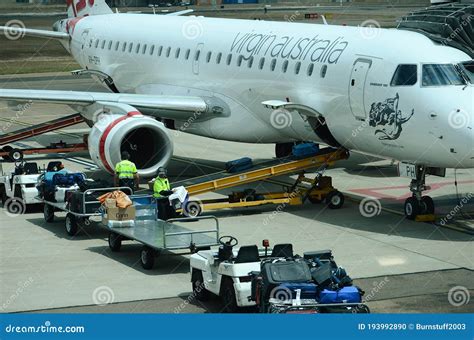
While mechanics receive much of the attention, aviation depends on a far larger network of workers performing operational roles that passengers rarely see. These jobs form the backbone of airport efficiency and airline reliability.
Ground operations alone involve thousands of workers responsible for tasks such as:
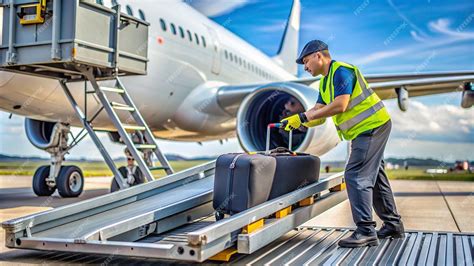
- Baggage loading and unloading
- Aircraft pushback and ramp coordination
- Cargo handling and warehouse logistics
- Cabin cleaning and catering preparation
- Fueling operations and safety checks
Each aircraft turnaround requires precise coordination among these teams. If even a single role is understaffed, delays quickly ripple through the system.
Because many of these positions are physically demanding and relatively low-paid compared to technical aviation careers, recruitment has long been difficult. Airports often rely on contractors or third-party service companies to supply labor for these tasks.
The Boston Consulting Group (BCG) reported that ground-handling costs rose significantly in 2025, reflecting wage increases and recruitment challenges as companies attempted to attract and retain workers in an increasingly competitive labor market.
Those rising costs highlight a broader issue: aviation’s operational workforce is becoming harder to maintain just as passenger traffic continues to rebound.
Immigration Policy Is Now Tightening the Labor Pipeline
Against this already strained labor environment, the Trump administration’s immigration policies are tightening access to a key segment of the aviation workforce.
The aviation industry, like many transportation sectors, draws heavily from immigrant labor pools. Approximately 20% of the U.S. air transportation workforce is foreign-born, according to labor statistics. In service and ground-handling roles, that percentage can be significantly higher.
Recent policy actions have targeted several forms of temporary legal status and work authorization, reducing the number of workers eligible to remain employed in the United States.
One major policy shift involved the revocation of temporary parole protections granted during the previous administration to migrants from Cuba, Haiti, Nicaragua, and Venezuela. Roughly 530,000 individuals had been allowed to enter and work in the United States under that program. When the protections were withdrawn, many workers suddenly faced legal uncertainty.
Additional enforcement measures have compounded the issue. The administration sought to terminate parole programs associated with the CBP One immigration processing system, while also moving to end Temporary Protected Status (TPS) for certain national groups.
Although some actions have faced legal challenges in court, the overall impact has been clear: increased uncertainty for immigrant workers and the employers who depend on them.
For aviation companies already struggling to recruit staff, even small disruptions to workforce availability can create operational problems.
The “Chill Effect” on the Aviation Labor Market
Immigration policy does not only affect workers whose legal status changes directly. The broader enforcement climate can create what economists describe as a “chill effect” across entire industries.
When immigration enforcement becomes more aggressive, many workers—regardless of their legal status—become hesitant to remain in certain jobs or geographic areas. Some relocate, shift industries, or withdraw from the workforce entirely.
Industry surveys suggest that up to 28% of companies report losing workers due to immigration enforcement anxiety, even when those workers had legal authorization to remain employed.
For airport operations that rely on stable teams of trained staff, this uncertainty disrupts scheduling and increases turnover. Replacing experienced ramp workers or cargo handlers requires recruitment, training, and safety certification—processes that take time and money.
The aviation industry operates on tight margins and strict timelines. A thinner labor pool makes it more difficult to fill shifts quickly when workers leave unexpectedly.
Why Ground Crews Are the Most Vulnerable
Not every aviation role is affected equally by immigration policies. Licensed technicians and engineers, for example, tend to enter the industry through formal training programs and certification pathways. Their shortage stems primarily from education capacity and retirement trends.
Ground crews, however, sit at the intersection of aviation and the broader service economy. These roles frequently attract immigrant workers seeking stable employment opportunities, particularly in major airport cities.
Jobs most exposed to immigration-related labor disruptions include:
- Ramp and baggage handlers
- Cargo logistics workers
- Warehouse staff supporting air freight
- Aircraft cabin cleaners
- Catering supply coordinators
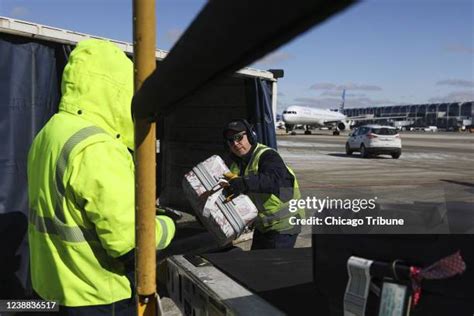
These positions are essential for aircraft turnaround times and cargo operations. Without enough workers to move luggage, load freight, or prepare cabins, airlines cannot maintain reliable schedules.
The irony is that these workers often remain invisible to passengers, despite being critical to aviation efficiency.
Rising Labor Costs Are Already Affecting Airlines
The workforce shortage is not just an operational challenge—it is becoming a major financial issue for airlines.
According to industry data, labor now represents approximately 35% of the average cost of aircraft block time, making it the largest single operational expense category. Block time includes the entire period from aircraft pushback to arrival at the gate.
Meanwhile, ground-handling costs increased by about 7% year-over-year in 2025, significantly outpacing inflation in many sectors.
Airlines face a difficult balancing act. They must raise wages to attract workers while simultaneously keeping ticket prices competitive. When staffing shortages occur, carriers often resort to overtime pay or expensive short-term labor contracts to maintain operations.
Those added costs ultimately work their way into the broader airline economy through higher fares, reduced route frequency, or operational delays.
Operational Risks for Airlines and Airports
Aviation functions as a tightly coordinated ecosystem. Aircraft, crews, maintenance teams, and ground workers must all be available at the right place and time. If any element breaks down, the entire system becomes less efficient.
Worker shortages can create a cascade of operational problems:
- Longer aircraft turnaround times
- Increased flight delays
- Higher cancellation rates
- Reduced airport efficiency
- Rising operational costs
Because airlines schedule aircraft networks months in advance, even small staffing shortages can cause widespread disruption.
For example, if ramp crews are understaffed during peak travel periods, baggage handling slows and departures fall behind schedule. Once delays begin spreading through a hub airport, they can ripple across the airline’s entire route network.
Passengers may only see a delayed flight, but behind the scenes the issue often begins with a shortage of workers performing essential ground operations.
A Long-Term Structural Challenge for U.S. Aviation
The aviation labor shortage cannot be explained by a single factor. It reflects the intersection of demographic trends, training limitations, and economic conditions. However, immigration policy now plays a growing role in shaping how quickly the industry can rebuild its workforce.
For airlines and airports, the challenge is not merely replacing workers who leave. It is maintaining a sustainable pipeline of trained employees capable of supporting an expanding aviation system.
Air travel demand continues to rise globally, and U.S. airlines are expanding fleets with new aircraft deliveries. Every additional airplane requires maintenance technicians, ramp workers, cargo handlers, and support staff to operate efficiently.
When immigration restrictions reduce the labor pool available for these jobs, the industry faces a difficult reality: demand for aviation services continues growing while the workforce required to deliver them shrinks.
The effects may not appear immediately dramatic. Instead, they accumulate slowly through longer delays, higher operational costs, and increased pressure on existing workers.
In an industry where minutes translate into millions of dollars, even modest staffing shortages can have wide-reaching consequences. For passengers, the impact will likely appear gradually—through crowded airports, tighter schedules, and higher fares.
Behind the scenes, however, the aviation workforce crisis is becoming one of the defining challenges shaping the future of air travel in the United States.