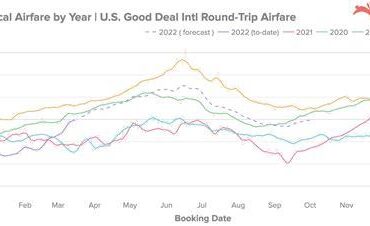
Travelers across the United States are facing a brutal reality in 2026: flying is becoming dramatically more expensive, and there is little indication the surge will slow anytime soon. Newly released inflation figures revealed that airline ticket prices jumped 20.7% year-over-year, while some market trackers reported fares climbed an astonishing 21.6% in just four months. For millions of Americans planning summer vacations, business trips, or international journeys, the era of relatively affordable post-pandemic airfare appears to be ending rapidly.
The latest spike is not the result of a single factor. Instead, it reflects a perfect storm of geopolitical instability, soaring jet fuel costs, aircraft shortages, reduced competition, and strong consumer demand. The ongoing conflict involving Iran has disrupted global oil markets, driving crude prices upward and placing extraordinary pressure on airlines already struggling with operational constraints. Carriers have responded in the most predictable way possible: passing rising costs directly onto passengers.
What makes the situation particularly alarming is the speed of the increase. Airfare inflation has accelerated faster than many other transportation categories, turning airline tickets into one of the hottest pain points for consumers navigating the broader economic pressures of 2026.
Fuel Costs Are Reshaping the Entire Airline Industry
Fuel has always been one of the largest operating expenses for airlines, but the current oil market turbulence has transformed it into the industry’s dominant financial threat. The escalation of the Iran conflict earlier this year triggered immediate fears surrounding crude oil shipments moving through the Strait of Hormuz, one of the world’s most critical energy corridors.
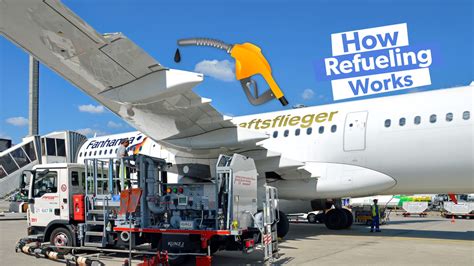
As global oil markets reacted, jet fuel prices surged across multiple regions. Airlines operating both domestic and international routes suddenly found themselves paying dramatically higher fuel bills. Unlike some industries that can absorb temporary increases, airlines operate on notoriously thin margins. Even relatively small fuel increases can erase profitability on entire route networks.
Major carriers including United, Delta, and American Airlines have all indicated that elevated fuel expenses are influencing pricing decisions. United Airlines CEO Scott Kirby openly acknowledged that fare increases may become semi-permanent if geopolitical tensions continue for an extended period. His comments reflected growing confidence among airlines that travelers will continue paying higher prices despite mounting frustration.
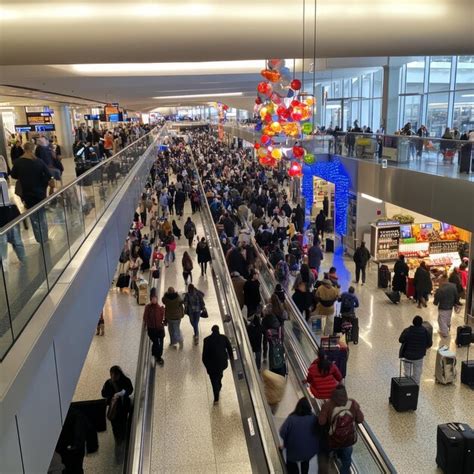
The industry’s pricing power has strengthened because demand remains surprisingly resilient. Consumers may complain about airfare inflation, but airports across the country continue reporting strong passenger volumes, especially on premium leisure and international routes. That demand gives airlines room to maintain aggressive pricing strategies without suffering major booking declines.
The Iran Conflict Has Triggered a New Aviation Cost Crisis
The aviation sector is deeply interconnected with global political stability, and the current Middle East crisis has once again demonstrated how quickly international conflict can reshape travel economics.
Since fighting involving Iran intensified, airlines have faced several overlapping operational challenges beyond fuel prices alone. Certain international flight paths have required rerouting to avoid restricted or potentially dangerous airspace. Longer flight paths increase fuel consumption, crew expenses, and maintenance requirements, creating an additional layer of financial pressure.
For long-haul international operations, these changes have been especially costly. Flights between North America, Europe, and parts of Asia now face increased operational uncertainty, forcing airlines to build higher expenses directly into ticket pricing models.
The situation bears similarities to previous aviation disruptions tied to geopolitical instability, but analysts say the current combination of factors is unusually severe. Unlike short-lived regional tensions of past years, the 2026 conflict has generated sustained volatility in energy markets that continues to ripple across the global airline industry months later.
Aircraft Shortages Are Making High Ticket Prices Easier to Sustain
Another major reason airfare continues climbing is simple economics: there are not enough aircraft available to meet demand efficiently.
Airlines worldwide continue struggling with delayed aircraft deliveries from major manufacturers. Ongoing supply chain problems, manufacturing bottlenecks, and maintenance shortages have limited the number of new jets entering service. Carriers hoping to expand schedules or increase seat capacity have found themselves unable to grow quickly enough.
This capacity constraint has given airlines unusual leverage. In previous years, rising ticket prices often triggered aggressive competition as carriers added more flights to capture market share. That dynamic has weakened considerably in 2026 because airlines lack the aircraft necessary for rapid expansion.
As a result, many flights are operating at extremely high load factors while fares continue rising simultaneously. Travelers searching for cheaper alternatives are finding fewer available seats and less pricing flexibility, particularly during peak travel periods.
The shortage has also forced airlines to become more selective about route planning. Several carriers have reduced frequencies on weaker routes while focusing resources on highly profitable destinations where elevated fares are more sustainable.
Spirit Airlines Collapse Reduced Budget Competition Nationwide
One of the less discussed but highly significant drivers behind rising airfare is the collapse of ultra-low-cost competition in several major US markets.
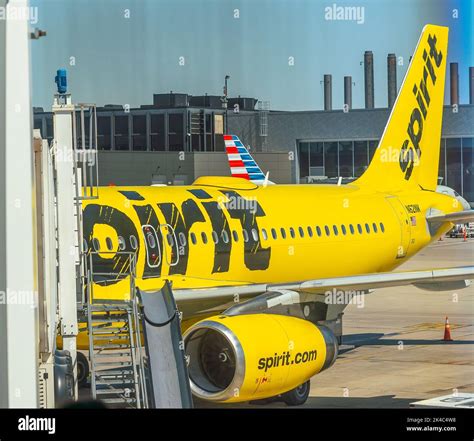
Spirit Airlines, long known for aggressively low pricing, recently ceased operations, removing a major source of downward fare pressure throughout the industry. Budget airlines historically played an outsized role in forcing larger carriers to lower prices, especially on leisure-heavy domestic routes.
With Spirit gone, many markets now face reduced competition. Analysts have already observed fare increases on routes previously served by the ultra-low-cost carrier, particularly in cities where Spirit maintained a strong presence.
This shift has created a broader industry pricing advantage. Legacy carriers no longer face the same degree of pressure to match ultra-cheap promotional fares. Even passengers who never flew Spirit are now indirectly affected because the competitive landscape has fundamentally changed.
The disappearance of a major budget airline also arrives during a period when consumers are already absorbing inflation across hotels, rental cars, and vacation packages. Combined travel costs are climbing at a pace many households did not anticipate entering 2026.
Summer Travel Could Become Even More Expensive
The timing of the airfare surge could hardly be worse for consumers. The sharp increases are unfolding just as the industry enters the high-demand summer travel season, traditionally one of the busiest and most profitable periods of the year.
Historically, summer demand already pushes ticket prices upward. In 2026, however, travelers are entering peak season with fares already elevated more than 20% above prior-year levels. If oil prices remain unstable through the coming months, airlines may implement additional increases before the summer rush reaches full strength.
Some economists warn that current pricing may not fully reflect the long-term impact of fuel market volatility yet. Airlines often hedge fuel purchases months in advance, meaning some carriers are only beginning to experience the full financial impact of recent oil spikes.
Travelers booking closer to departure dates may face especially painful prices. Last-minute fares are expected to rise aggressively on both domestic and international routes as airlines attempt to maximize revenue amid constrained capacity.
Business travelers may also encounter shrinking schedule flexibility. Airlines seeking to reduce operational costs are trimming less profitable frequencies, potentially leaving passengers with fewer departure options and higher average fares.
Why Airfare May Stay Elevated Through 2026
The most concerning development for consumers is that industry experts do not expect a quick return to cheaper flights.
Several structural problems facing aviation are unlikely to disappear soon. Fuel markets remain unstable, aircraft shortages continue affecting global fleets, labor costs are climbing, and maintenance expenses remain elevated. Even if oil prices moderate somewhat, airlines may choose to preserve higher fare structures for as long as demand remains healthy.
Executives throughout the industry increasingly appear focused on profitability rather than aggressive market expansion. After years of financial instability following the pandemic era, many airlines are prioritizing stronger margins instead of competing heavily on price.
That shift could permanently reshape airfare expectations for travelers accustomed to ultra-cheap domestic flights over the last decade. Budget-friendly airfare still exists in limited situations, but widespread bargain pricing has become far less common in the current environment.
The combination of geopolitical instability, reduced low-cost competition, operational shortages, and resilient demand has created conditions where elevated ticket prices may persist far beyond summer. For consumers hoping airfare would stabilize quickly, 2026 is increasingly looking like the beginning of a far more expensive era of air travel.