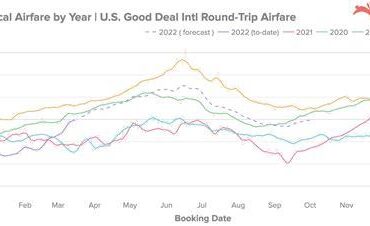
Airfare pricing is no longer governed by fixed rules or traditional travel calendars. Modern flight prices are dictated by algorithms that respond to real-time demand, seasonal patterns, route popularity, and even booking behavior. However, after extensive research and deep insights from seasoned travelers, aviation analysts, and airfare data aggregators, we can draw reliable conclusions about when flight prices drop—and why.
The first step to unlocking cheaper airfare is understanding the patterns of seasonal price shifts.
The Golden Months for Cheap Flights: January, August, and September
Statistically and behaviorally, January is one of the best months to book flights. After the heavy travel period of the winter holidays, demand plummets, especially for international and non-vacation routes. Airlines attempt to fill seats during this slump by lowering fares across domestic and international flights. Similarly, late August through September offers a sharp decline in prices. As the summer peak ends and families settle back into school routines, airline bookings see a notable drop, pushing airlines to adjust prices downward to maintain capacity levels.

A similar trend follows in early November—a brief window before Thanksgiving in the U.S. when bookings temporarily slow down. However, this is a shorter window and requires quick decision-making.
The Sweet Spot: When to Book for the Best Prices
Booking 6 to 8 weeks before your departure remains the optimal timeframe for most domestic flights. For international routes, booking 2 to 6 months in advance provides the best chance of securing a low fare. Contrary to myths that prices always drop last-minute, airlines today use yield management algorithms that adjust prices based on booking velocity. If demand is high, prices increase—sometimes dramatically.
Tools like Google Flights and Hopper analyze years of pricing history and user data, consistently confirming that this 6-8 week “sweet spot” is where fare prices tend to dip, particularly for non-peak seasons.
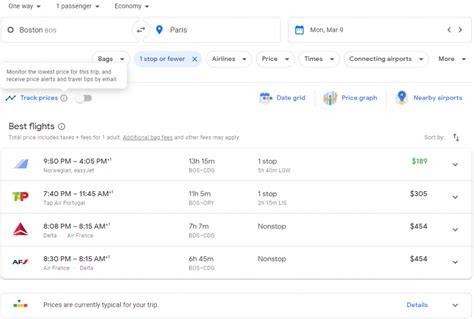
Why Tuesday Mornings Still Matter (But Not for the Reasons You Think)
For years, travelers have sworn by Tuesday at 10 AM local time as the best moment to buy flights. While this isn’t a magic rule anymore due to constant dynamic repricing, there is still some truth behind this pattern. Airlines often post discounted fares late Monday evening, which appear across booking engines early Tuesday. Competitors may respond by Tuesday morning, triggering short-lived fare wars that can lead to lower prices for quick buyers.
However, the key isn’t necessarily the day itself—it’s about monitoring multiple times per week, especially during early weekdays when fare adjustments are common.
Dynamic Pricing: Why Flight Fares Fluctuate So Widely
Dynamic pricing uses AI-driven algorithms that change ticket prices based on:
- Current demand and seat inventory
- Booking trends by route and date
- Competitor pricing
- Search volume (yes, your searches matter)
Airlines are less concerned with when you book and more with how likely you are to convert. This explains why you may see a fare jump after checking a flight several times. To mitigate this, search in incognito mode or clear your cookies to reduce targeted pricing behavior.
Seasonal Shifts by Region: When and Where They Matter Most
Different regions exhibit different airfare behavior based on their holiday calendars, climate, and tourism patterns:
- Europe: Prices drop dramatically after mid-August, then again in early January and mid-March.
- Asia-Pacific: Best fares found during the shoulder season—May and October—excluding holidays like Lunar New Year.
- U.S. Domestic: The first three weeks of January and the weeks following Labor Day (early September) see the most favorable pricing.
These trends reflect a combination of reduced vacation travel, low corporate bookings, and weather-based route demand.
Best Practices from Experienced Travelers
Reddit users on travel forums confirm that combining technology with early planning leads to the best results. For example:
- Setting price alerts using Google Flights or Kayak helps monitor fare drops automatically.
- Booking refundable or changeable tickets allows flexibility—rebooking when a cheaper fare appears is a strategic move used by savvy travelers flying with airlines like United or Southwest.
- Buying during “low travel sentiment” periods, like around tax season in April, often reveals unexpected discounts.
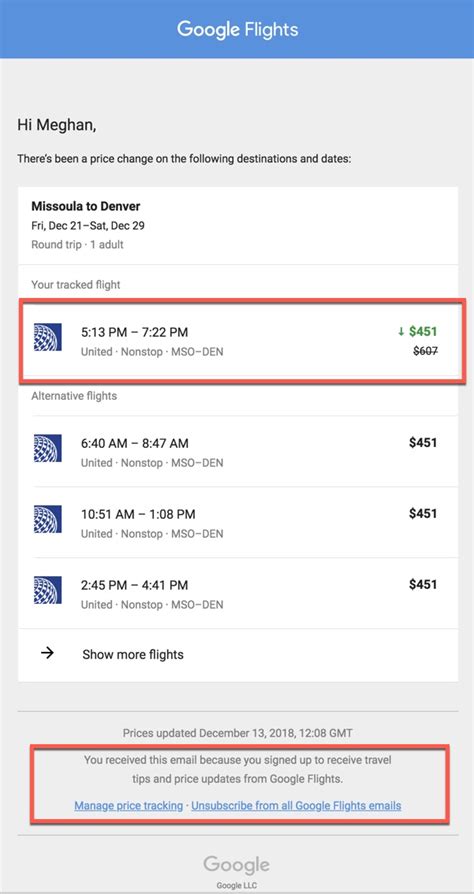
One user reported saving $200 by rebooking a United ticket after a random price dip three months prior to travel. That margin almost covered another short-haul flight—proof that combining early booking with vigilant monitoring can significantly reduce total travel costs.
Technology as a Force Multiplier for Flight Savings
Modern tools are indispensable in today’s airfare landscape:
- Google Flights offers historical price tracking and prediction metrics.
- Kiwi.com aggregates discounted booking methods across carriers.
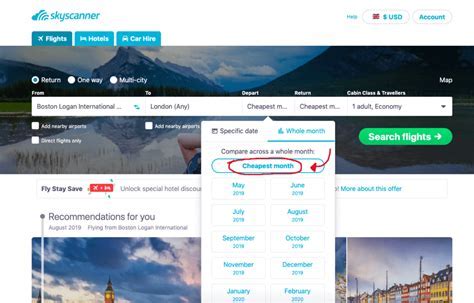
- Skyscanner’s month-view mode reveals the cheapest travel dates visually across a 30-day window.
Many travelers also recommend using a VPN to simulate browsing from a different country, which can sometimes yield better prices due to localized pricing algorithms.
The Role of Major Holidays and Booking Around Them
Holidays create huge price fluctuations, but strategic timing around holidays yields bargains. For example:
- Flying on the holiday itself (Christmas Day, Thanksgiving Day) is often significantly cheaper.
- Booking return flights a few days after peak holiday returns (e.g., after New Year’s weekend) lowers fares.
- Avoiding “first day” travel—like the first Friday of spring break or Memorial Day weekend—is key to price efficiency.
These insights emphasize the value of calendar awareness, not just booking timing.
The Reality of Price Drops After Booking
Airfare drop protections are becoming more common, especially on major carriers like United, Alaska Airlines, and Southwest. If you’ve booked a flexible ticket and spot a cheaper rate, you can often rebook at the lower price and receive credit for the difference.
In some cases, users have managed to save over $75 per person simply by watching for sudden drops and acting quickly. This also works when airlines make minor schedule changes, opening a window for a rebook or refund request.
The Final Takeaway: Timing Plus Tools Equals Savings
In today’s hyper-dynamic airfare market, the answer to “what month do flight prices drop” isn’t confined to a single date. Instead, it’s about understanding trends:
- January, August, and September see the most consistent overall price drops.
- Booking 6–8 weeks in advance typically unlocks the best pricing for domestic travel.
- Using tools, alerts, and flexible booking policies dramatically improves your odds.
Booking cheap flights is no longer a passive process. With smart planning, timing, and tech, we can take control of the airfare game and consistently secure the best deals.