A one-way flight refers to a plane ticket purchased solely for travel from the departure airport to the destination airport, with no scheduled return leg included in the itinerary. Unlike roundtrip tickets, which bundle outbound and return flights together, a one-way ticket offers travelers more flexibility, and in certain contexts, greater cost-efficiency. The traveler pays only for the journey in one direction, making this option highly practical for a wide range of travel scenarios.
In today’s interconnected world, flight pricing models and travel habits are evolving. The surge of digital nomads, international students, temporary work visa holders, and long-term travelers has expanded the demand for one-way flights. Coupled with changing pricing strategies among airlines—especially between budget carriers and legacy airlines—one-way tickets are no longer the premium-priced outlier they once were.

Why Travelers Choose One-Way Flights
There are multiple valid and strategic reasons for purchasing a one-way flight. These motivations reflect a range of travel preferences and logistical circumstances:
- Permanent Relocation: Whether moving for work, family, or lifestyle reasons, relocating to another country or city typically requires a one-way journey.
- Open-Ended Travel: Long-term travelers and digital nomads often avoid rigid return dates, opting instead for spontaneous onward journeys.
- Multi-Destination Itineraries: Travelers using trains, buses, or cruises to move between regions might fly in one direction and return by another method.
- Airfare Optimization: Savvy travelers exploit price variations across carriers, sometimes saving money by piecing together two one-way flights from different airlines instead of booking a single roundtrip.
These scenarios underscore how the modern traveler values customization and adaptability, challenging the outdated assumption that roundtrip tickets are inherently superior.
Is It Cheaper to Fly One Way or Roundtrip?
The question of price is a pivotal one. While traditional thinking suggests that roundtrip flights are more economical, the reality is nuanced and highly dependent on carrier type, destination, and timing.
In domestic travel, prices for roundtrip and one-way fares are often similar. For instance, if a roundtrip flight costs $300, each leg might independently cost around $150. This reflects the price parity common in many domestic flight markets.
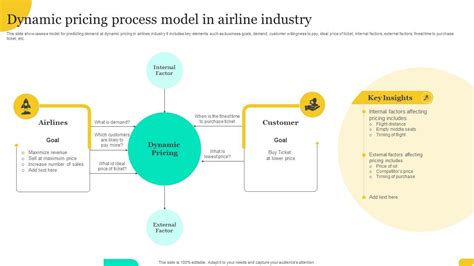
However, for international travel, roundtrip fares are typically much cheaper than buying two separate one-way tickets. Airlines often offer discounts for roundtrip purchases because they value itinerary predictability and use dynamic pricing algorithms that reward passengers who commit to a full journey.
Low-cost carriers, such as Southwest and JetBlue in the U.S. or Ryanair and EasyJet in Europe, tend to employ simplified pricing structures. Their roundtrip prices often equate to the sum of two one-way tickets. This pricing model benefits spontaneous and budget-conscious travelers, especially when combined with flash sales.
Airline Pricing Models and Their Impact on One-Way Fares
To fully understand the pricing disparity between one-way and roundtrip fares, it’s crucial to explore how airline business models affect pricing strategies.
- Budget Airlines (Point-to-Point Model): These carriers operate direct flights between cities with minimal connectivity, which allows them to offer predictable, transparent pricing. One-way tickets are typically priced at 50% of roundtrip fares.
- Legacy Airlines (Hub-and-Spoke Model): These companies structure routes through central hubs, often resulting in more complex itineraries and pricing algorithms. Roundtrip fares are priced using demand forecasts, inventory management, and seat availability rather than a simple sum of parts.
Legacy carriers also engage in price discrimination, targeting different customer segments. Business travelers, who often book one-way tickets close to the departure date, are more willing to pay a premium, prompting higher one-way fare pricing in legacy systems.
Throwaway Ticketing and the Hidden Cost of One-Way Flights
When one-way fares are disproportionately high, travelers sometimes resort to throwaway ticketing. This involves booking a roundtrip flight and using only the outbound leg, skipping the return entirely. Though not illegal, this practice violates most airlines’ terms of service.
Airlines have mechanisms to identify and penalize passengers who consistently miss segments of their itineraries. Potential consequences include:
- Cancellation of Remaining Segments: If the return leg is skipped, the entire ticket can be invalidated.
- Loss of Loyalty Benefits: Airlines may revoke frequent flyer miles or loyalty status.
- Blacklisting: In extreme cases, airlines may ban repeat offenders from future bookings.
This practice shares similarities with hidden city ticketing, where passengers book multi-leg journeys with the intention of disembarking at a stopover city to secure a lower fare. Both tactics exploit fare inconsistencies and highlight the lack of transparency in airline pricing.
Flexibility and Planning in One-Way Travel
Beyond pricing, one-way flights offer tactical advantages in travel planning. Travelers gain the flexibility to:
- Extend trips without rebooking
- Modify return plans on the go
- Explore multi-country routes across continents
This flexibility is particularly attractive to backpackers, gap-year students, and remote workers who need the freedom to adapt travel plans in real time. It also supports strategic bookings for holidays and special events where return plans may depend on availability or family decisions made later.
However, flexibility comes with trade-offs. Travelers must account for potential visa limitations, especially when entering countries that require proof of onward travel. Immigration officers may deny entry if there’s no return ticket or plan in place.

Flash Sales and One-Way Deals
Some airlines, especially budget carriers, offer limited-time flash sales with dramatic discounts on one-way fares. For example, during promotions, one might find:
- $39 flights from New York JFK to San Juan, Puerto Rico
- $29 flights from Los Angeles to Las Vegas
These fares are often restricted to specific routes and dates but offer significant savings for travelers who can act quickly. Such deals are ideal for spontaneous weekend getaways or budget-conscious itineraries built around discount availability.
Travelers who capitalize on flash sales typically monitor fare alerts, subscribe to airline newsletters, and use fare tracking services. In these cases, the return flight may be planned separately or postponed until another sale emerges.
Booking Two One-Way Tickets vs. Roundtrip
A growing trend among savvy travelers is to build custom roundtrip itineraries using two one-way tickets from different airlines. This method offers:
- Route Flexibility: Depart from one city and return from another.
- Airline Mix-and-Match: Combine carriers based on convenience, service, or pricing.
- Schedule Optimization: Choose the most convenient departure and return times independently.
However, there are potential pitfalls. When booking through two separate carriers:
- Baggage may not be transferred between flights.
- Delays on one leg won’t be covered by the other carrier.
- Refund and rescheduling policies vary by airline.
For travelers willing to accept these risks, the rewards include lower costs and a more personalized travel itinerary.
Final Thoughts on the Value of One-Way Flights
As the global travel landscape continues to shift toward individualization and digital mobility, one-way flights are increasingly valuable. No longer merely a tool for last-minute escapes or business travelers, they serve as a critical component in modern travel planning.
Travelers benefit most when they understand the dynamics of airfare pricing, recognize when one-way fares present true value, and remain mindful of legal and practical constraints. Whether used for international relocation, gap year exploration, or creative itinerary design, one-way flights embody the freedom of modern travel and reflect a profound change in how we approach movement across the globe.