The Enduring Myth of Tuesday Travel Savings
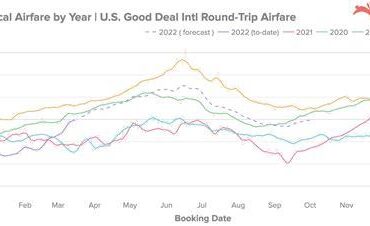
Among frequent flyers and casual travelers alike, one belief continues to circulate year after year: airfare is cheapest on Tuesdays. It’s a claim repeated in blogs, whispered in airport lounges, and passed around Reddit threads. But is there any truth to it in 2025? To answer this definitively, we must dive into the complex architecture of airline pricing, consider evolving revenue strategies, and assess whether certain booking days hold any statistical edge in a rapidly dynamic market.
For many years, it was accurate to say that Tuesday afternoons offered cheaper fares. This trend stemmed from airlines releasing sales early in the week, often responding to competitive fare changes from rival carriers. When a major airline adjusted a fare on Monday night, others followed suit on Tuesday, creating a short-lived window of price undercutting. However, the age of automated, AI-driven pricing algorithms has upended this logic.
Dynamic Pricing and the Death of the Weekly Fare Rule
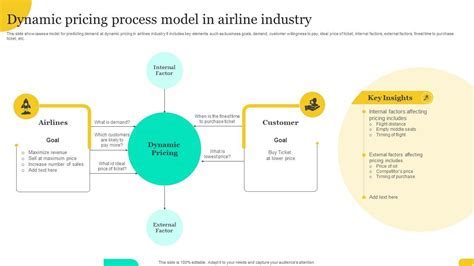
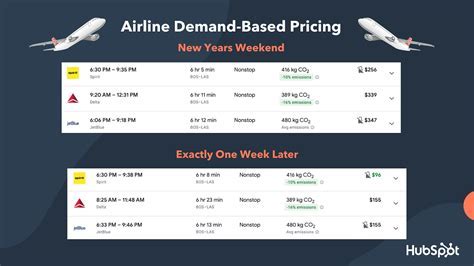
Today, airline pricing is no longer anchored to the calendar, but to behavior. Airlines use real-time data—like search trends, booking volumes, and even browser cookies—to predict demand and adjust fares instantly. Prices can fluctuate several times within a single day, not because it’s Tuesday, but because hundreds of variables influence them.
What does this mean for the consumer? Relying on a fixed day of the week is an outdated approach. Instead, booking strategies must revolve around demand forecasting, route behavior, and lead time.
Dissecting Day-of-Week Price Trends
While the notion that Tuesdays are cheaper is no longer universally valid, examining departure days and booking dates reveals nuanced patterns:
- Flying on Tuesdays and Wednesdays often yields lower fares due to decreased midweek travel demand.
- Departures on Fridays and Sundays command premium pricing thanks to leisure and return-travel demand.
- Booking between 54 and 120 days in advance—especially for international routes—statistically produces more favorable pricing.
The belief in cheap “Tuesday bookings” likely stems from an overlap between flight deal announcements and midweek price matching. But these patterns have become significantly more unpredictable in recent years.
What Do Reddit Insights Reveal?
Online travel forums like Reddit’s r/TravelHacks provide a crowdsourced reflection of real-world booking habits. Comments reveal a wide array of user experiences:
- One user noted that flying on leisure routes midweek tends to be cheaper, while business destinations cost more on weekdays.
- Others reported checking prices daily for several weeks, buying tickets only when they observed spontaneous drops—sometimes on a Monday, other times on a Friday.
- Multiple users confirmed that no consistent pattern reliably predicts the cheapest fare day.
This anecdotal evidence supports what data analysts have long confirmed: airfare pricing is stochastic, not deterministic.
The Rise of AI and Predictive Pricing Engines
Modern airlines no longer depend on manual price updates. Today’s airfare engines are driven by Revenue Management Systems (RMS)—complex frameworks that utilize machine learning models to analyze:
- Competitor price changes
- Booking velocity for specific routes
- Seasonal variations and holiday schedules
- Passenger browsing and abandonment data
These systems ensure that fare adjustments happen in real time. As a result, a seat priced at $250 on Tuesday at 9 AM may rise to $295 by 3 PM the same day, based solely on search activity or diminishing seat availability.

Is There Still Value in Tuesday Monitoring?
Despite the deconstruction of this travel myth, Tuesdays still occasionally yield benefits—though not for the reasons travelers assume. Here’s why:
- Airlines still occasionally launch fare sales on Tuesdays, especially low-cost carriers trying to boost midweek bookings.
- Fewer consumers shop on Tuesdays compared to the weekend, sometimes resulting in less search activity and competitive pricing.
- Corporate travel restrictions often end Friday and begin Monday, leaving Tuesday bookings to leisure travelers—who are more price-sensitive.
In short, while Tuesday is not a guaranteed discount day, it can still be a statistically opportunistic time to check.
Early Booking vs. Last-Minute Gambles
One of the few universal truths in airfare pricing remains: the earlier you book, the more likely you are to secure a better fare. Dynamic pricing favors early birds. As demand accumulates for specific flights, seat classes become scarcer, and prices climb accordingly. The myth of last-minute deals is largely obsolete—reserved now for rare cancellation or overbooking adjustments.
In some cases, passengers have experimented with refundable tickets to hedge against future drops—booking now, and canceling later if a better deal arises. But this requires an understanding of airline refund policies, and often includes a premium price or cancellation fee.
The Real Strategy: Flexibility and Data Monitoring
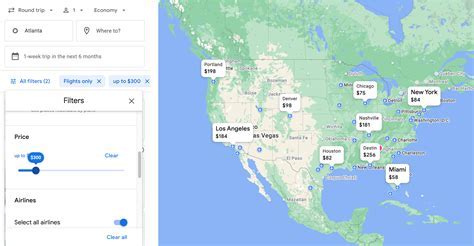
Rather than focusing on a specific weekday, savvy travelers employ data-driven monitoring tools. Platforms like Google Flights, Hopper, and Skyscanner offer price tracking features that alert users to real-time dips. These tools analyze years of pricing history, detect fare fluctuations, and offer predictive insights.
To maximize savings, travelers should:
- Set alerts for multiple departure dates
- Monitor both departure and return fares
- Compare direct and connecting options
- Use incognito mode or apps that prevent fare manipulation via cookies
Flexibility in travel dates, destinations, and airports remains the most powerful cost-saving lever.
Conclusion: Fare Fluctuation Is Fluid, Not Fixed
The claim that flight prices go down on Tuesday is a remnant of an older pricing era. In today’s hyper-optimized marketplace, airfare is governed by a tangle of algorithmic decisions and behavioral signals. While Tuesday may still occasionally present deals due to legacy release schedules or low traffic, no single day can claim universal dominance over fare pricing.
Instead, those seeking the best fares must commit to early, consistent monitoring, leverage smart travel tools, and maintain maximum flexibility in their plans. Booking early, flying midweek, and tracking trends across platforms yield far better results than chasing outdated calendar myths.
In conclusion, it’s not the day you book—it’s how and when you choose to act that matters.