In the complex world of airline pricing structures, one of the most essential yet often misunderstood elements is the fare basis code. This alphanumeric identifier is far more than just a label on a passenger’s ticket. It is the foundation upon which airlines structure pricing, enforce fare rules, and manage inventory. Understanding the intricacies of fare basis codes gives travel professionals and aviation analysts a decisive edge in fare calculation, route planning, and ticketing compliance.
What Is a Fare Basis Code?
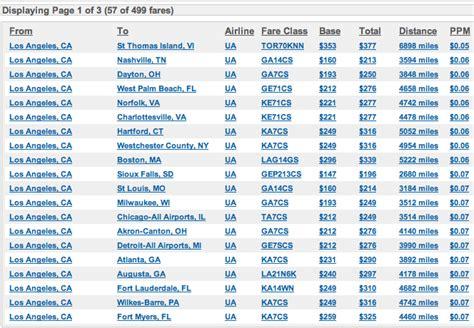
A fare basis code, sometimes referred to simply as a fare basis, is an alphanumeric code—typically 3 to 8 characters long—that conveys critical details about a specific airfare. These codes are assigned by airlines and are embedded in ticket data to control how the fare is sold, booked, and modified. The code can reveal whether the ticket is refundable, discounted, part of a package, or restricted to specific travelers such as infants, children, or military personnel.
Each fare basis code begins with a booking class, represented by a single letter, such as Y for full-fare economy or J for business class. Subsequent characters may indicate restrictions, promotional names, stay requirements, or sales territories.
Decoding the Fare Basis Structure
The fare basis code can be thought of as a string of data-driven instructions. Its structure, while flexible and often airline-specific, follows some broad conventions:
- First character: This is the booking class, such as F (First), J (Business), or Y (Economy).
- Second character (if alphabetic): Often indicates special fare conditions. For example, E as the second letter might denote an Excursion Fare.
- Numeric suffixes: Typically represent maximum stay durations. For instance, a code like YE45 means an economy excursion fare with a 45-day stay limit.
- Seasonal letters: Letters like H or L in the middle or end of the code can signal High or Low season fares.
- Day-of-week restrictions: Codes may include W or X, which typically refer to weekend or weekday fare validity, respectively.
- Geographic suffixes: International fares often end with two-letter country codes, like GB (Great Britain) or AU (Australia), to differentiate inbound vs. outbound fare rules.
Examples of Booking Classes and Their Meanings
Some booking classes are relatively standardized across most airlines:
- F – Full-fare First Class
- J – Full-fare Business Class
- W – Full-fare Premium Economy
- Y – Full-fare Economy Class
However, beyond these, many airlines assign arbitrary letters and combinations to suit their pricing models. This results in over 26 potential booking class letters, used for granular control over inventory and fare conditions.
Airline-Specific Codes and Exceptions
Modern fare basis codes often include proprietary identifiers used for short-term promotions or private agreements. Examples include:
- SPRSVR – A “Super Saver” promotional code
- XYZCORP – Negotiated fares for employees of XYZ Corporation
- MILGOV – Military or government rates with flexible refund rules
- AD75 / ID90 – Discount fares for agency or industry staff, denoting percentage discounts
These codes are not standardized and may only be visible to authorized ticketing agents.
How Fare Basis Codes Influence Ticket Conditions
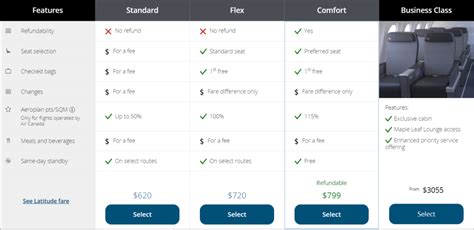
Each fare basis code corresponds to a full set of fare rules that govern:
- Whether the fare is refundable or non-refundable
- If changes are allowed, and the associated penalties
- Applicable minimum and maximum stays
- Whether the ticket is one-way (OW) or return (RT)
- Restrictions on connections, stopovers, or routing
- Whether the fare allows open jaw travel
- Advance purchase requirements
These fare rules are not just fine print—they are systematically encoded into the airline’s global distribution systems (GDS) and are critical for ensuring compliance.
Fare Construction and Pricing Logic
Fare construction is the complex process by which fares are applied to a full itinerary. In professional environments, this is often represented using Neutral Unit of Construction (NUC) lines. A single line of fare construction might read:
HKG SU X/MOW SU KGD 598.78SCLA /-RIX SU X/MOW SU HKG 371.37ACLA NUC 970.15 END ROE 7.849222 XT 713YQ
This tells us:
- The origin and destination cities
- The fare values and fare basis codes (SCLA, ACLA)
- The applicable exchange rate (ROE)
- Taxes and surcharges (XT) included in the final price
Most agents rely on automated fare pricing tools built into GDS systems. However, manual fare construction is still practiced by experts when fare rules need to be adjusted or optimized.
Multiple Fare Basis Codes on a Single Ticket
Complex itineraries, especially those involving multiple carriers or different travel classes, often result in tickets with more than one fare basis. For instance, a round-trip ticket that uses business class outbound and economy class inbound will reflect two separate fare basis codes.
One important caveat: when changes are made to such tickets, the most restrictive rule (and often the highest change fee) applies to the entire ticket, regardless of which segment is changed. This underscores the importance of understanding all applicable fare basis conditions before ticket issuance.
Global Distribution Systems and Fare Visibility
In systems like Amadeus, Galileo, and Sabre, the fare basis code appears in fare quote displays and is used to pull up applicable fare rules. While availability screens may show remaining seats per booking class (e.g., Y7 K5 M4 T6), the fare basis rules must be consulted separately to understand conditions and pricing restrictions.
Some modern travel search engines attempt to abstract this complexity by allowing users to search by fare conditions (e.g., “refundable,” “cheapest fare of the day”). Still, professionals often revert to GDS rule validation to ensure ticketing accuracy.
The Role of Fare Basis Codes in Airline Revenue Management
Airlines use fare basis codes to enable fine-tuned yield management. By assigning codes to specific price points and fare conditions, they can:
- Control inventory across fare types
- Set advanced purchase windows
- Implement blackout dates or travel date restrictions
- Offer corporate or negotiated rates
This granularity allows airlines to maximize profits while accommodating various passenger segments—from price-sensitive travelers to business executives.
Why Passengers Rarely See Fare Basis Codes
Despite their importance, fare basis codes are often hidden from passengers. On e-tickets, they may appear subtly under flight segments. On older paper tickets, they were printed on flight coupons. Since the rules they encode are not self-evident, airlines avoid highlighting them to passengers, relying instead on agents to enforce rules or apply exceptions.
Yet, for those who dig deeper, understanding fare basis codes can:
- Justify seemingly illogical fare prices
- Reveal upgrade or rebooking eligibility
- Help in travel insurance claims
Conclusion: The Hidden Language of Airfare Pricing
In airline ticketing, the fare basis code is the DNA of a fare. It encodes not just the price but also the logic and constraints that govern how the fare can be used, changed, or refunded. While it may appear cryptic to the untrained eye, it serves as the cornerstone of airfare transparency and control.
For airlines, fare basis codes represent a balance between flexibility and revenue protection. For agents and savvy travelers, they are a gateway to deeper understanding and better decision-making. In an era where airfare can vary dramatically by booking channel, time, and passenger type, the fare basis code remains a critical component of commercial aviation’s pricing architecture.