
Flight prices fluctuate more than most travelers realize, making the quest for the perfect booking day an ever-evolving challenge. The widely circulated myth that Tuesdays offer the best deals stems from historical airline patterns but no longer holds consistent truth in today’s dynamic airfare landscape. With real-time pricing algorithms, competition-triggered fare adjustments, and fluctuating demand, the key to finding the lowest flight fares lies in strategic planning, not superstition.
Understanding Dynamic Airline Pricing
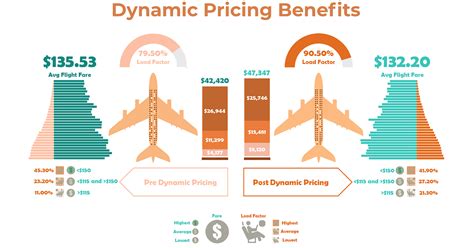
Airline pricing operates under a model of real-time dynamic adjustment. Unlike retail products, which may go on sale on set days, airfare responds to demand, route competition, seat availability, and even web browsing behaviors. Algorithms adjust pricing by the hour, and any assumption of a universal “cheap day” overlooks this complexity.
Revenue management systems deployed by major carriers continuously update fare classes across routes. These systems analyze booking patterns, past sales data, seasonal demand curves, and competitor pricing. While these tools are designed to optimize profits, they inadvertently shape consumer myths — like the “Tuesday drop.”
The Real Answer: Sunday Offers the Best Booking Value
Data from Expedia’s 2025 Air Travel Hacks Report reveals that Sunday is now the most cost-effective day to book flights. The findings show that:
-
Domestic travelers save an average of 6% when booking on Sundays.
-
International travelers save up to 17% when compared to Monday or Friday bookings.
These savings are attributed to the low consumer activity on Sundays, which leads to fewer real-time price hikes due to browsing competition. It also coincides with airlines releasing promotional fares during the weekend for early-week planning.
Best Days to Fly: Saturday and Wednesday Lead
Booking a flight is one thing. Flying on the right day is another entirely. According to comprehensive fare analysis by Hopper and Expedia, Saturdays and Wednesdays offer the lowest average ticket prices across both domestic and international routes.
For domestic routes:
-
Saturday flights are on average 17% cheaper than Sunday departures.
-
Tuesday and Friday departures are moderately priced, offering 12% savings compared to peak days.
For international flights:
-
Wednesday and Saturday consistently yield the best value.
-
Departing to Europe on a Wednesday could save up to 10% versus Fridays, often the most expensive day.
These trends stem from lower demand mid-week and on Saturdays, days traditionally avoided by business travelers. Leisure travelers can leverage these off-peak schedules to secure better pricing.
Holiday Travel: Strategic Planning Wins
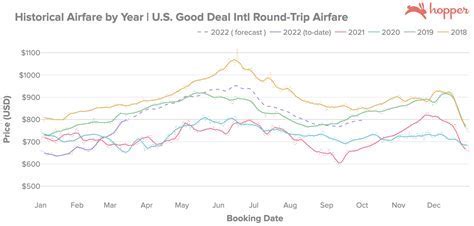
Holiday periods significantly skew pricing due to surges in passenger demand. The closer the departure date is to a holiday, the higher the fare, often exacerbated by limited seat availability. To navigate this:
-
Book as early as possible — ideally 71 days in advance for winter holidays, according to Google Flights’ 2023 insights.
-
Fly on the holiday itself, such as Thanksgiving Day or Christmas Day, which historically offer substantial savings compared to the days before or after.
-
If a holiday lands on a Monday, consider flying the previous Tuesday, which is often cheaper than the preceding Friday.

Booking Timeframes: When You Book Matters More Than What Day
For Domestic Flights
The sweet spot for booking domestic flights lies between one to three months in advance. During this window:
-
Fares are on average 25% lower than last-minute deals.
-
Availability across time slots and airlines remains high, offering greater flexibility.
Last-minute deals are less common and can be risky due to limited seat inventory and higher base fares.
For International Flights
The recommended booking window stretches to two to eight months prior to travel. For high-demand routes or holiday periods, booking even earlier can secure substantial savings. Google Flights’ predictive pricing insights help identify future fare drops by analyzing historical patterns.
Tuesday: Still a Strong Contender, But No Longer King
While Tuesday still presents some opportunities, especially for flights loaded after the weekend’s fare resets, it no longer guarantees the lowest price. Tuesday and Friday flights generally offer a middle ground — cheaper than Sunday or Monday, but not as low as Saturday or Wednesday.
Tuesday is also the day when many fare matching updates occur, especially after competitors have published sales. As a result, price drops on Tuesday can happen, but they are not exclusive or consistent enough to depend on alone.
Use Technology to Track and Win
In today’s automated airfare market, manual tracking is obsolete. Instead, travelers should embrace tools designed to monitor and alert price changes, including:
-
Google Flights – Predicts future pricing and highlights historical low fare windows.
-
Hopper – Analyzes billions of data points and offers price freeze options.
-
Skyscanner and Kayak – Provide flexible search options across airports and dates.
Price alerts can notify you of sudden price drops or flash sales. Combine this with airline flexible booking policies, and you gain the power to cancel and rebook at a lower price without penalties — especially on main cabin or premium fare classes.
Flexibility Remains the Ultimate Advantage
Above all, travelers who maintain flexibility in departure dates, times, and even destinations consistently win the airfare game. Tools like Google Flights’ explore feature allow users to leave the destination blank, surfacing the cheapest routes globally. Use calendar views to identify low-fare days, then structure your travel around them.
Willingness to:
-
Depart from alternative airports
-
Embrace longer layovers
-
Shift dates by just one or two days
…can lead to hundreds in savings per trip.

Conclusion: Optimize for Timing, Not Tradition
The myth of Tuesday bookings is a relic of a simpler time in airline operations. Today’s airfare landscape is governed by algorithmic pricing, data-driven strategies, and global competition. To maximize value:
-
Book on Sundays for the best deals.
-
Fly on Saturdays or Wednesdays to save on departures.
-
Plan holiday trips far in advance — or fly on the holiday itself.
-
Use fare trackers and be ready to rebook when prices drop.
-
Most importantly, stay flexible and make use of modern airfare prediction tools.
Cheap flights exist — not on a specific day — but within smart travel strategies.
FAQs
What is the cheapest day of the week to fly domestically?
Saturday holds the top spot for the lowest average airfare on domestic routes. This is largely because it’s a less popular travel day among both business and leisure travelers, making it easier for airlines to offer lower fares to fill planes.
When is the best day to book an international flight?
Sunday is statistically the best day to book international flights. This is based on aggregated booking data showing 17% average savings when compared to Friday or Monday bookings. Combine this with departures on Wednesdays or Saturdays for maximum savings.
Are Tuesday flight deals still a thing?
Yes, but they’re not guaranteed. Tuesday can still see some fare drops due to airline fare matching and mid-week adjustments, but it is no longer the industry’s universal discount day. Flexible travelers should still consider Tuesday as a candidate, but not the only one.