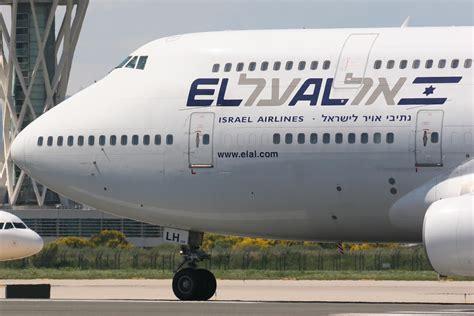
El Al Israel Airlines Ltd. stands as a profound symbol of Israeli resilience, identity, and ingenuity. Founded in 1948, in the same year as the birth of the State of Israel, El Al’s inaugural mission wasn’t commercial—it was national. An Israeli C-54 military aircraft, repurposed to fly President Chaim Weizmann from Geneva, marked the beginning of what would become the country’s flag carrier, officially incorporated just weeks later. The name, El Al—meaning “To the Skies” in Hebrew—was drawn from the Bible, signaling ambition and divine purpose.
Within a year, El Al was operating flights to Paris, London, and Johannesburg, with a 50% stake in the domestic carrier Israel Inland Airlines. By 1950, it had inaugurated a cargo division and acquired Universal Airways. Its reach spread across Europe, Africa, and the Middle East, and its role in Israel’s national efforts deepened.
Humanitarian Missions That Made History
From its earliest years, El Al was more than a commercial airline—it was an instrument of national salvation. In the early 1950s, the airline conducted Operation Magic Carpet and Operation Ezra and Nehemiah, rescuing over 160,000 Jews from Yemen, Iraq, and Iran. These covert operations, flown under dangerous and uncertain conditions, established El Al’s unmatched dedication to Israel’s global Jewish community.
In 1991, the airline set a world record with Operation Solomon, airlifting 14,500 Ethiopian Jews to Israel in under 36 hours using a Boeing 747 that carried 1,088 passengers—more than double its design capacity. These operations weren’t just acts of transport; they were chapters of rescue inscribed in aviation history.
Into the Jet Age: Innovation Meets Adversity
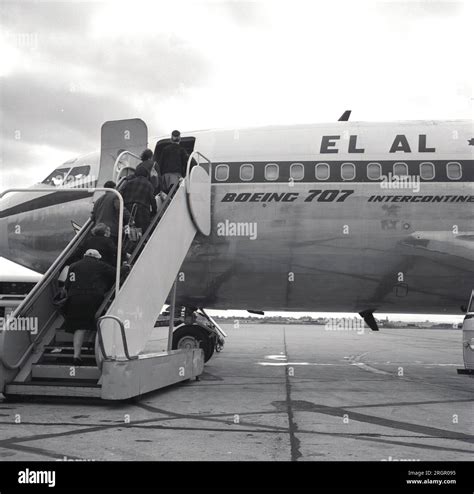
El Al entered the jet age in the late 1950s by acquiring Boeing 707s and 720s, eventually becoming profitable in 1960. That year, more than half the passengers arriving in Israel flew El Al. On June 15, 1961, a 707 flew nonstop from New York to Tel Aviv, setting a record for the longest nonstop commercial flight.
However, the 1960s also brought challenges. El Al became a repeated target of terrorist attacks and hijackings. Notably, in 1968, El Al Flight 426 was hijacked by the PFLP and diverted to Algiers. Though this was the only successful hijacking in El Al’s history, subsequent attempts in Zurich, Athens, and elsewhere prompted the airline to develop the world’s most advanced airline security protocols.
Fleet Expansion and the Rise of Wide-Bodies
In the 1970s, El Al added Boeing 747s, launching nonstop transatlantic service to New York. Despite the risk, the move paid off. However, Sabbath observance controversies soon erupted. El Al initially permitted Shabbat landings in Israel from international departures, angering religious factions. In 1982, after political pressure, a Knesset vote reinstated the Sabbath flight ban, triggering secular backlash.
The 1980s saw the airline plunge into financial trouble, leading to a government-imposed receivership. Labor strikes and losses of $123.3 million prompted intervention. By 1983, operations resumed with new 737s and 767s, restoring profitability within four years. A record-breaking nonstop Los Angeles–Tel Aviv flight in 1988 showcased renewed strength.
Revival and Rebuilding in the 1990s
Following the Soviet Union’s collapse, El Al, in partnership with Aeroflot, transported over 400,000 Russian Jews to Israel. Meanwhile, Operation Solomon highlighted the airline’s logistical might and moral commitment. By 1994, El Al received its first 747-400 and expanded to Amman, Jordan, in 1996.
But despite new codeshare agreements, including one with American Airlines, the late 1990s were marred by terrorism and market liberalization, culminating in significant losses.
Privatization, Modernization, and Controversies
In the early 2000s, El Al began its journey toward privatization. The government floated 15% of its shares in 2003, increasing to 50% by 2004, and transferring control to Knafaim-Arkia Holdings by 2005. Throughout this period, El Al faced new controversies, including the high-heel mandate for female flight attendants in 2015, which was ultimately revoked under union pressure.
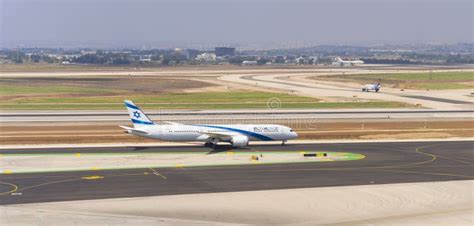
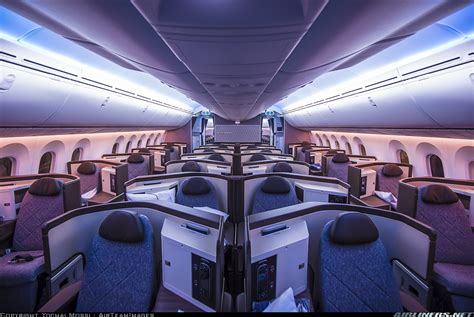
Fleet upgrades accelerated with the arrival of the Boeing 777 in 2000 and later the 787 Dreamliners. These aircraft introduced premium economy, flat-bed business pods, and improved Wi-Fi and entertainment options. In 2017, Lior Suchard, the Israeli mentalist, headlined a new safety video, blending national identity with passenger engagement.
COVID-19 and Corporate Reinvention
The COVID-19 pandemic forced El Al to suspend all commercial flights by July 2020. A government bailout of $250 million in loans and a $150 million share sale followed. Eli Rozenberg, through Kanfei Nesharim, acquired a 42.85% controlling stake, while the government purchased 15%.
El Al pivoted quickly—converting Dreamliners into cargo jets, operating humanitarian flights, and even launching the first-ever nonstops from Tel Aviv to Australia. These measures stabilized the airline, and by 2023, it posted $2.503 billion in revenue with $263.7 million in profit. In 2024, during the Gaza war, it was one of the few airlines still flying to Tel Aviv, posting a record profit of $545 million.
Religious Tradition and Operational Integrity
El Al is uniquely known for its strict observance of Jewish tradition, offering only kosher in-flight meals and generally refusing to fly on the Jewish Sabbath and religious holidays. However, it has made two exceptions: during the First Lebanon War (1982) and the Gaza war (2023), when it transported reserve soldiers on Shabbat with halachic approval from Israel’s Chief Rabbinate.
Headquarters, Workforce, and Subsidiaries
El Al’s headquarters are located at Ben Gurion Airport near Lod, with U.S. headquarters recently moved from New York to Miami. By 2022, the airline operated a fleet of 47 aircraft and employed 4,610 staff globally. Its subsidiaries include:
- Sun d’Or – A charter and tour service.
- Borenstein Caterers – U.S.-based kosher meal provider.
- Tamam and Katit – Kosher food production.
- Superstar Holidays – A travel package wholesaler.
Previously, El Al operated the low-cost brand Up, targeting European destinations before it was folded back into mainline operations in 2018.
The Gold Standard in Airline Security
El Al is globally recognized for security excellence, largely due to its response to decades of threats. It is the only airline with onboard missile defense systems—initially the Flight Guard, now the C-MUSIC system developed under Israel’s SkyShield program. These systems use infrared sensors and lasers to divert incoming threats.
At Ben Gurion Airport, El Al’s four-layered security includes off-site surveillance, controlled terminal access, detailed passenger interviews, and extensive luggage checks. Passengers are screened personally, often via intelligence-sharing with global agencies, and are advised to arrive three hours prior to departure. Trained sky marshals travel undercover, and all cockpits are reinforced with dual-door entry systems.
Navigating Political and Cultural Sensitivities
El Al has faced legal and public scrutiny over its practices. A 2008 civil rights case challenged the airline’s ethnic profiling, particularly of Arab passengers. Though the Israeli Supreme Court dismissed the petition in 2015, it acknowledged improved procedures.
Another area of concern has been the treatment of female passengers, especially during incidents where ultra-Orthodox men refused to sit beside women. The most prominent case, Renee Rabinowitz v. El Al, ended in a landmark win for Rabinowitz in 2016. By 2018, El Al declared it would remove any passenger refusing to sit next to a woman.
Meanwhile, its continued flights to Russia during the Ukraine conflict drew criticism, though El Al insisted it was acting on the Israeli government’s directive to support Jewish emigration.
The Global Reach of a National Symbol
Today, El Al serves 31 countries across four continents, with a strong presence in Europe and North America. It maintains cargo, passenger, and codeshare operations, ensuring connectivity for both commerce and diaspora.
El Al remains an enduring symbol of Israeli sovereignty and survival, blending security, service, and tradition in a way that no other airline in the world replicates. With an eye on innovation and a legacy of purpose, El Al’s journey continues—ever upward, as its name promises.