
The quest for the best airline to fly is a perennial concern for travelers, often sparked by frustrating experiences that leave one questioning their choices. Imagine planning a trip, perhaps your first flight in years, only to encounter a cascade of issues: lost luggage, unhelpful customer service, and last-minute seat changes that relegate you from a preferred spot to the back of the plane. This scenario, unfortunately, is not uncommon and underscores the reality that even airlines with strong reputations can sometimes fall short. The frustration is palpable, especially when you’ve chosen an airline based on perceived superiority, only to be met with disappointment. This raises a critical question: with so many variables at play, how does one truly identify the best airline for their specific needs?
It’s a complex question because the “best” is often subjective, hinging on individual priorities, budget, destination, and even the specific aircraft on a given route. While one traveler might prioritize rock-bottom fares, another might value on-time performance, in-flight comfort, or exceptional customer service above all else. The truth is, the ideal airline for a short domestic hop might be vastly different from the preferred carrier for a long-haul international journey in a premium cabin.
This guide aims to dissect the multifaceted world of air travel, offering insights into what truly differentiates airlines across various classes of service and geographical regions. We will explore the nuances of domestic economy, the allure and cost of premium cabins, the shining stars of international travel, and practical strategies to enhance your flying experience, regardless of the carrier you choose. The goal is to equip you with the knowledge to make an informed decision, transforming your next flight from a potential source of stress into a seamless part of your adventure.
Decoding Domestic Economy: Is There a Clear Winner in the US?
When considering domestic travel within the United States, particularly in economy class, a common sentiment emerges: the experience can often feel remarkably similar across the major carriers. Many seasoned travelers and industry observers suggest that for the standard economy seat, the differences between legacy airlines like Delta Air Lines, United Airlines, and American Airlines can be marginal in terms of the core offering – a seat to get you from point A to point B. However, nuances do exist, and these can significantly impact your journey.
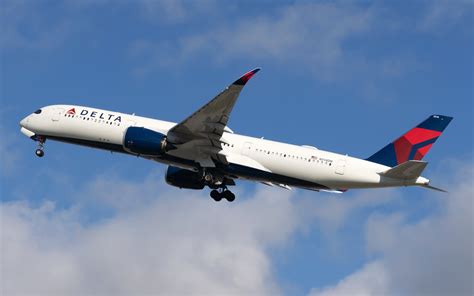
Despite the occasional negative experience, such as the one involving lost baggage and poor ground service, Delta Air Lines frequently ranks highly in metrics like on-time performance and, ironically, baggage handling for US carriers. They have also been a leader in retaining seatback in-flight entertainment (IFE) screens on a majority of their domestic fleet, a feature many passengers appreciate. United Airlines is notably making efforts to reintroduce seatback screens and modernize its fleet, aiming to enhance the passenger experience. JetBlue has long been recognized for its customer-friendly approach, offering more legroom in economy than many competitors and free live TV and Wi-Fi, setting a high bar for domestic comfort and connectivity.
Then there’s Southwest Airlines, which operates on a different model with its open seating policy and often more inclusive fare structure (e.g., two free checked bags). While they have faced significant operational challenges in the past, they remain a popular choice for many due to their extensive route network and generally amiable service. It’s worth noting that recent discussions suggest potential changes, like adding seat selection, which could alter their unique appeal for some.
The landscape becomes more complicated with ultra-low-cost carriers (ULCCs) such as Spirit Airlines, Frontier Airlines, and Allegiant Air. These airlines attract passengers with incredibly low base fares, but it’s crucial to understand their à la carte pricing model. Everything from carry-on bags (beyond a small personal item) to seat assignments and even a bottle of water onboard typically incurs an additional charge. While these hidden fees can make the final cost comparable to, or sometimes even higher than, legacy carriers, ULCCs can offer genuine savings if you travel light and are willing to forgo most amenities. However, their customer service and operational reliability can be inconsistent, and they often have smaller fleets and fewer interline agreements, making rebooking during disruptions more challenging.
Ultimately, for many domestic economy travelers, especially infrequent flyers, the best airline often boils down to the one offering the most convenient schedule, particularly a non-stop flight, at a competitive price. Brand loyalty may take a backseat to practical considerations like minimizing travel time and avoiding layovers.
Beyond the Seat: Key Factors That Elevate Your Economy Flight
While the physical seat in domestic economy might offer little variation, several other factors contribute significantly to the overall quality of your flight experience. Understanding these can help you choose an airline that better aligns with your preferences, even when flying in the main cabin.
In-flight entertainment (IFE) is a major differentiator. Airlines like Delta and JetBlue lead the pack in the US with seatback screens offering movies, TV shows, games, and even live television on many aircraft. United is increasingly retrofitting its planes with these systems. Other airlines might offer streaming entertainment to your personal device, which requires you to bring a charged phone or tablet. For longer flights, robust IFE can be a significant boon, helping to pass the time pleasantly.
Wi-Fi connectivity is another crucial amenity for many travelers, whether for work or leisure. Most major US airlines offer Wi-Fi, though quality and pricing vary. Some, like JetBlue, offer free basic Wi-Fi, while others charge by the hour or for the entire flight. The reliability and speed of in-flight Wi-Fi can also differ, so if staying connected is paramount, it’s worth researching the specific airline’s offering on your intended route and aircraft type.
Complimentary snacks and non-alcoholic beverages are standard on most legacy carriers and JetBlue, even on shorter flights. ULCCs, conversely, charge for all refreshments. For longer domestic routes, some airlines offer more substantial food items for purchase. While airline food, especially in economy, isn’t typically gourmet, having decent options can make a difference.
While seat comfort in economy is often constrained, slight variations in legroom (seat pitch) and seat width do exist. Websites like SeatGuru can provide detailed seat maps and information for specific aircraft, helping you identify potentially better or worse seats. Even an extra inch of legroom can enhance comfort on a multi-hour flight.
Customer service, both on the ground and in the air, is a critical, albeit subjective, factor. Efficient and empathetic gate agents, helpful flight attendants, and responsive support when issues like lost luggage or delays arise can transform a potentially negative experience. Unfortunately, consistency in customer service can be a challenge across the industry. The initial experience described with Delta’s baggage claim highlights how crucial effective and coordinated customer support is, especially when things go wrong. Representatives who seem unable to access previous notes or offer conflicting information only exacerbate passenger frustration.
On-time performance and baggage handling are fundamental to a stress-free journey. Airlines publish their performance statistics, and these can be a useful indicator. A carrier that consistently arrives on time and reliably delivers your luggage to the carousel is often worth choosing, even if the fare is slightly higher.
The Allure of the Front Cabin: Is First or Business Class Worth the Splurge?
For those seeking a significantly elevated travel experience, First Class and Business Class cabins beckon with promises of spacious seating, gourmet meals, and attentive service. However, this luxury comes at a considerable cost, often double, triple, or even more than an economy ticket. The pivotal question for many is: is the experience truly that much better to justify the premium price?
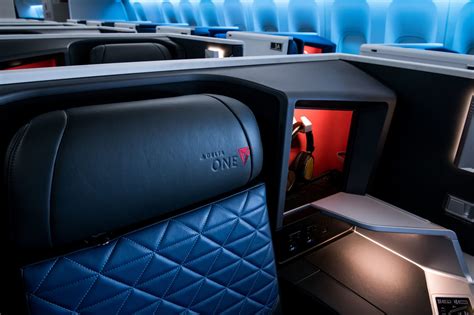
The tangible benefits are undeniable. In domestic First Class, you typically receive a wider seat with significantly more legroom, priority boarding, complimentary alcoholic beverages, and upgraded meal service. On longer transcontinental routes, some airlines like Delta (Delta One) and United (Polaris Business) offer lie-flat seats, dedicated cabin service, and airport lounge access, blurring the lines with international business class standards. These premium domestic products can indeed provide a sweet and comfortable journey, minimizing neck pain, back pain, and cramped joints, especially on red-eye or extended flights.
Internationally, the step-up is even more pronounced. International Business Class often features private pods with lie-flat beds, extensive multi-course meal options designed by renowned chefs, premium wine and spirits, large entertainment screens, amenity kits filled with luxury toiletries, and access to sophisticated airport lounges. International First Class takes this opulence further, sometimes offering private suites, onboard showers (as seen on some Emirates A380s), and an even more personalized level of service. For flights exceeding 10 hours, the ability to sleep comfortably in a lie-flat bed can mean arriving at your destination refreshed and ready to go, which can be invaluable for business travelers or those on tight schedules.
However, it’s crucial to remember that even a $40,000 First Class ticket doesn’t grant immunity from operational issues like lost luggage. Baggage systems handle all bags similarly, regardless of the passenger’s ticket class. While the airline might offer more profuse apologies or quicker compensation to a premium passenger, the bag itself is subject to the same logistical processes.
The value proposition is highly personal. Some argue that spending thousands of dollars for a 10-hour flight – equating to hundreds of dollars per hour – is a terrible value, especially when that same amount could secure multiple nights at a luxury hotel like a Four Seasons. Others, who can afford it and prioritize comfort and time-saving benefits, find it a worthwhile investment, particularly for ultra-long-haul travel. As one traveler put it, “Flying economy is shit and flying FC is tolerable so I’ll pay for first or business class.” This stark assessment reflects a common sentiment among those who regularly opt for premium cabins. Yet, even among those who’ve experienced it, some find it nice but not worth the significant extra cost, especially if the service isn’t consistently exceptional or if, like one traveler, they prefer quiet time to constant interruptions from overly attentive flight attendants.
International Skies: Where Airline Differences Truly Shine
While domestic U.S. airlines often compete on price and schedule, the international arena is where differences in service quality, cabin products, and overall passenger experience become far more apparent. Many of the world’s most lauded airlines hail from Asia and the Middle East, consistently topping rankings for their exceptional offerings, particularly in premium cabins, but often extending a higher level of care even to economy passengers.
Airlines such as Singapore Airlines, Qatar Airways, Emirates, Cathay Pacific, All Nippon Airways (ANA), and Japan Airlines (JAL) are frequently cited by Skytrax World Airline Awards and discerning travelers alike for their excellence. Singapore Airlines is legendary for its gracious and attentive cabin crew, consistently high-quality food, and comfortable cabins across all classes. Qatar Airways, particularly its Qsuite Business Class, is often considered one of the best business class products in the sky, offering unparalleled privacy and comfort. Emirates is known for its extensive route network, iconic A380 fleet with onboard lounges and showers for premium passengers, and a generally high standard of in-flight entertainment.
What sets these carriers apart? It’s often a combination of factors: rigorous cabin crew training that emphasizes hospitality akin to luxury hotels, investment in newer aircraft with state-of-the-art cabin interiors, superior catering quality, thoughtful amenities, and impressive airport lounge experiences. The attention to detail can be subtle, such as the way drinks and meals are served, but collectively, these elements contribute to a more refined and enjoyable journey. Even in economy, passengers on these top-tier international airlines might find slightly more comfortable seating, better meal options, and a more polished service style compared to many Western carriers.
However, it’s not a universal rule. Some travelers have reported less-than-stellar experiences even on highly-rated airlines, particularly in economy class on certain routes or when operational issues arise. For instance, an economy flight on Emirates from JFK to Milan was described by one passenger as a “1/10 experience,” citing issues with carry-on weight checks, delayed boarding with poor communication, and unhelpful staff. This highlights that even for renowned airlines, consistency across their entire network and all service classes can be a challenge.
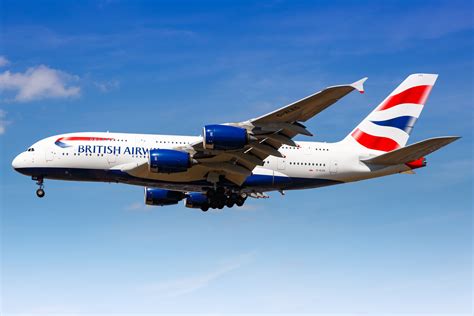
When flying transatlantic, large European flag carriers like Lufthansa, Air France-KLM, and Virgin Atlantic are generally considered safe bets, though experiences can vary. Virgin Atlantic, for example, historically had a reputation for great service and somewhat differentiated aircraft. British Airways, however, has received mixed reviews, with some passengers citing issues with baggage allowance and management of disruptions like flight cancellations, describing their handling of hotel stays and rebooking as “atrocious.”
For other long-haul routes, carriers like Air Canada (internationally) and Qantas (Australia) are often regarded positively. The key takeaway is that for international travel, especially in premium cabins, researching the specific airline, aircraft type, and route can yield a significantly better experience.
Navigating the Booking Maze: Direct vs. Third-Party Channels
The method you use to book your flight can sometimes influence your experience, particularly if changes or disruptions occur. The traveler who had a negative experience with Delta mentioned booking through Chase. While booking through a third-party, whether it’s a credit card travel portal like Chase Ultimate Rewards or an Online Travel Agency (OTA) like Kayak, Expedia, or Priceline, can sometimes offer competitive pricing or allow you to use points, it can also add a layer of complexity if problems arise.

Booking directly with the airline generally offers several advantages. If you need to make changes to your ticket, resolve an issue, or request special assistance, dealing directly with the airline is usually more straightforward. You are their direct customer, and they have full control over your reservation. Furthermore, booking direct ensures you receive all relevant communications from the airline and makes it easier to accrue and manage frequent flyer miles and status benefits. In the event of flight cancellations or significant delays, airlines tend to prioritize customers who booked directly when it comes to rebooking and assistance.
When you book through a third-party, the OTA or travel portal often becomes the primary point of contact for any changes or issues. The airline might direct you back to the third-party for assistance, and the third-party might then need to liaise with the airline, potentially leading to delays and miscommunication. While many third-party bookings go smoothly, the process can become cumbersome when things go wrong. One traveler recounted an experience where booking through Kayak led to their credit card information being stolen, adding significant stress right before a trip.
That said, OTAs can be valuable tools for comparing prices across multiple airlines and finding deals, especially for flexible travelers. If you choose to book through a third-party, ensure they are reputable and understand their terms and conditions, particularly regarding changes, cancellations, and customer support.
Proactive Passenger Power: Tips for a Smoother Journey
Regardless of the airline you choose, taking a few proactive steps can significantly enhance your travel experience and mitigate potential frustrations. Being well-prepared can make a world of difference, especially when unforeseen circumstances arise.
Firstly, consider your luggage strategy. To avoid the nightmare of lost checked baggage, pack essentials such as medications, a change of clothes, toiletries, and important documents in your carry-on bag. Investing in an AirTag or similar tracking device placed inside your checked suitcase can provide peace of mind and help you locate your bag if it goes astray. Clearly label your luggage both outside and inside with your name, contact information, and destination address. Some travelers even place a sheet of paper with their destination address in large, legible letters on top of everything inside their suitcase.
Secondly, manage your documents meticulously. Take photos of your passport, driver’s license, visas, and travel itineraries with your phone, and also consider carrying printed copies in a separate location from the originals. This can be invaluable if your documents are lost or stolen.
Thirdly, if your itinerary involves a layover, research the airport. Some airports are notoriously difficult to navigate or have higher instances of baggage mishandling. For example, Hartsfield-Jackson Atlanta International Airport (ATL) is the world’s busiest airport, and while it’s a major hub for Delta, its sheer size and volume can lead to confusion and, as some experiences suggest, increase the chances of bags getting lost or delayed. If you have a choice, selecting a less congested or more efficient hub for your connection might be beneficial. Some travelers swear by specific layover airports, like Minneapolis (MSP) or Detroit (DTW) for Delta connections, citing better organization.
Fourthly, research your specific flight and seat. Websites like SeatGuru, ExpertFlyer, and Google Flights provide detailed information about aircraft types, seat configurations, and even user reviews of specific seats. Knowing which seats offer more legroom, are away from galleys or lavatories, or have properly aligned windows can make a surprising difference to your comfort.
Finally, always book directly with the airline if possible, especially for complex itineraries or if you anticipate needing flexibility. This simplifies communication and problem resolution should any issues arise with your flight.
The “Best” Airline is Subjective: Defining Your Priorities
Ultimately, the “best airline to fly” is not a one-size-fits-all answer. It is highly subjective and depends entirely on your individual priorities, travel style, and the specifics of your journey. What one traveler deems exceptional, another might find merely adequate or even disappointing.
To determine the best airline for you, consider the following:
- Budget: Are you primarily seeking the cheapest fare possible, or are you willing to pay more for enhanced comfort, convenience, or service? If budget is paramount, ULCCs might be an option, provided you understand their fee structure.
- Route and Schedule: Is a non-stop flight your top priority to save time and hassle? Or are you willing to accept a layover for a lower price or to fly a preferred airline? The availability of convenient flight times is also crucial.
- Comfort Preferences: How important are factors like legroom, seat width, in-flight entertainment, and meal quality to you? For long-haul flights, these can significantly impact your well-being.
- Loyalty: Are you tied to a specific frequent flyer program or airline alliance? Accruing miles and enjoying elite status benefits can be a strong motivator for choosing a particular carrier or group of airlines.
- Risk Tolerance: How much do potential disruptions, such as delays, cancellations, or lost baggage, impact your travel plans? Legacy carriers generally offer better support and rebooking options during irregular operations compared to ULCCs.
For infrequent domestic travelers, the best airline is often the one that offers a non-stop flight at a reasonable price and a convenient time. For road warriors or those embarking on once-in-a-lifetime international trips, the calculus might shift towards airlines known for superior comfort and service, even if they cost more.
Making an Informed Choice for Your Next Flight
Choosing an airline in today’s dynamic travel landscape can feel overwhelming, but armed with the right information, you can navigate the options with confidence. While horror stories of lost luggage and abysmal customer service exist for nearly every airline, so do countless tales of smooth, pleasant journeys. The key is to understand that domestic economy travel in the U.S. often presents a relatively commoditized experience, with schedule and price being primary drivers for many. However, factors like in-flight entertainment, Wi-Fi, and on-time performance can still set some carriers apart.
When venturing into premium cabins or international routes, the differences between airlines become much more pronounced. Carriers from Asia and the Middle East frequently lead the pack in terms of service and comfort, offering an experience that can be a highlight of the trip itself. However, even these airlines are not immune to occasional lapses.
Ultimately, the best airline to fly is the one that best aligns with your personal needs, budget, and the specific requirements of your trip. By researching your options, understanding the trade-offs between cost and comfort, booking strategically, and preparing for your journey, you can significantly increase your chances of having a positive and stress-free flying experience. The power to choose wisely rests with an informed traveler.