The allure of a rock-bottom airfare is undeniable, often conjuring images of spontaneous getaways and more money in your pocket for the actual vacation. The proliferation of low-cost carriers (LCCs) and even ultra-low-cost carriers (ULCCs) in the United States has made budget travel more accessible than ever. However, as many seasoned travelers can attest, not all budget airlines are created equal, and that enticingly low initial price can sometimes be a mirage, obscuring a desert of hidden fees and a less-than-comfortable journey. This comprehensive guide will delve into the nuances of America’s budget airline landscape, helping you discern the true gems from those that might leave you regretting your booking.
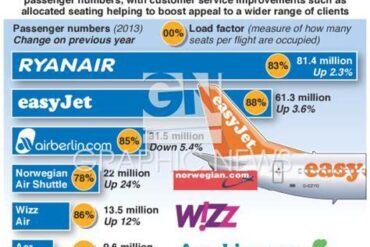
Before we embark on this aerial exploration, it’s crucial to understand the terminology. What truly defines an airline as “low-cost”? It’s primarily about low operational overhead for the airline itself, not necessarily a guaranteed lower cost for the passenger. For instance, Southwest Airlines historically achieved lower maintenance costs by operating a fleet consisting solely of Boeing 737 aircraft. While these operational savings can translate to lower fares, it’s not an ironclad rule, and sometimes full-service legacy carriers can offer competitive, or even better, deals. Then, we have the ultra-low-cost carriers (ULCCs). These airlines elevate cost-cutting to an art form, or perhaps a competitive sport. Think of Ryanair in Europe, notorious for its no-frills approach, including non-reclining seats and the absence of seat-back pockets – all measures to slash cleaning and maintenance expenses. The trade-off for passengers is often a drastically lower base fare, though comfort might be significantly compromised.
It’s important to recognize that while a low price tag is a primary driver for many travel decisions, the overall flying experience also holds considerable weight. Some airlines, despite their budget classification, offer a surprisingly pleasant journey, while others can turn a short flight into an ordeal. This exploration will illuminate which carriers provide genuine value and which ones might require you to navigate a minefield of extra charges and discomfort. Understanding these distinctions is paramount to making an informed choice that aligns with your priorities, whether that’s absolute minimal spending or a reasonable balance of cost and comfort.
The High Flyers: America’s Best Budget Airlines
When it comes to delivering genuine value without sacrificing the entire passenger experience, a few names consistently rise above the rest. These carriers, while still operating under a low-cost model, often provide amenities and services that can rival, or even surpass, their full-service counterparts, making them favorites among savvy domestic travelers.
Southwest Airlines: The Trailblazer of Value
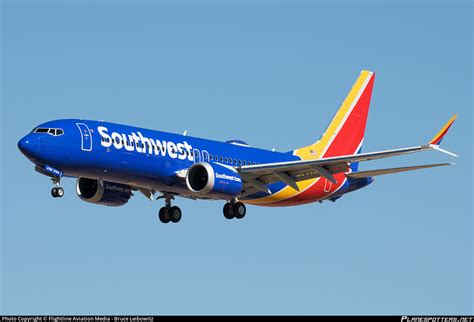
Southwest Airlines is arguably the patriarch of the low-cost model in the U.S., having commenced operations nearly five decades ago. Initially, its focus was on short-haul flights, exclusively serving a handful of cities within Texas. Fast forward to today, and Southwest’s route map has expanded dramatically, encompassing 103 destinations across the United States, along with a growing number of international locations. This expansion is a testament to its enduring appeal and successful business model.
The flying experience with Southwest often harks back to a simpler era of domestic air travel. Passengers can expect a seat pitch ranging from a respectable 31 inches to a more generous 33 inches, which is quite comfortable for economy standards. Furthermore, Southwest continues to offer a selection of complimentary non-alcoholic beverages and snacks – a small but appreciated touch. Perhaps its most lauded perk, almost an anomaly in modern aviation, is its baggage policy: every passenger is permitted two free checked bags, in addition to a carry-on bag and a personal item, at no extra charge. This alone can represent significant savings compared to other airlines.
While Southwest planes do not feature seat-back entertainment screens, they provide free streaming movies, live TV, and music directly to passengers’ personal devices. In terms of flexibility, Southwest excels. There are no fees for changing or canceling a flight. If you cancel, the full value of your ticket is issued as a travel credit, valid for future use. If you switch to a more expensive flight, you simply pay the fare difference; if the new flight is cheaper, you receive a credit for the difference. The most distinctive aspect of the Southwest experience is its seating policy. Every seat on every plane is economy class, and there are no assigned seats. Passengers board in groups (determined by check-in time, with options to pay for earlier boarding) and then choose any available seat. It’s a democratic approach that, while unusual, works efficiently. A crucial point for deal hunters: Southwest fares do not appear on third-party flight search engines or online travel agencies. To compare their prices, you must visit the official Southwest website and utilize their Low Fare Calendar. Fortunately, for those seeking the best deals, services like Going often include Southwest flights in their alerts, ensuring members don’t miss out on these potentially excellent offers.
Southwest flights typically include:
- A carry-on bag and a personal item
- Two free checked bags
- Complimentary snacks and non-alcoholic beverages
- Free flight changes and cancellations (travel credit issued)
- Streaming entertainment to your own device
- Free seat selection (open seating; boarding order by check-in time)
JetBlue Airways: Blending Low Costs with Premium Touches
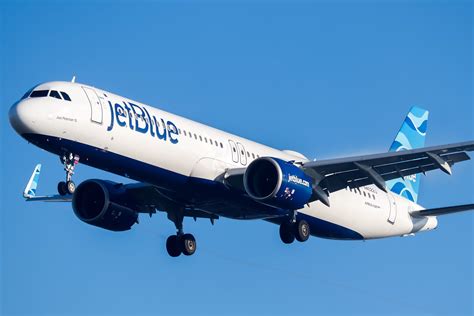
JetBlue Airways also originated as a low-cost carrier but carved a unique niche by offering a more premium experience from its inception, challenging the notion that budget flying must be devoid of comfort. This strategy has cultivated a loyal customer base, and today, JetBlue serves nearly 100 cities within the United States, as well as a selection of international destinations.
Unlike the single-class configuration of Southwest, JetBlue’s aircraft are typically divided into different cabin classes. Their premium offering, Mint, provides a first-class experience, while the main cabin consists of Blue, Blue Plus, and Blue Basic fares, which are their versions of economy and basic economy. Even in these standard fares, the in-flight experience is notably pleasant. Passengers enjoy a selection of complimentary brand-name snacks and non-alcoholic beverages, along with free high-speed Wi-Fi (Fly-Fi) and seat-back entertainment screens on most aircraft, offering live TV and movies. The seat pitch is generally above average for economy, ranging from 32 to 34 inches depending on the aircraft. JetBlue also boasts an extensive network of partner airlines, facilitating travel beyond its own direct routes.
Where JetBlue’s Blue Basic fare aligns more closely with other low-cost carriers is in its ancillary fees. While all passengers are permitted one carry-on bag and one personal item for free, there’s a fee for checked baggage, typically starting at $35 for the first bag on Blue Basic fares. Advance seat selection also incurs a fee for Blue Basic passengers, who are also among the last to board the aircraft. Historically, JetBlue had change fees, but like many airlines, they have adapted their policies; it’s always best to check the current terms when booking. For instance, the reference material mentioned a specific waiver period, but such policies evolve, so direct verification is key. A notable customer-friendly policy: if you book a JetBlue flight and find the same flight cheaper on another site that same day, JetBlue has been known to offer a credit.
JetBlue flights typically include (for Blue and above, with variations for Blue Basic):
- A carry-on bag and a personal item
- Complimentary snacks and non-alcoholic beverages
- Seat-back entertainment and free Wi-Fi
- Free seat selection for Blue and higher fares (fee for Blue Basic advance selection)
- Checked bags starting at approximately $35 each way for Blue Basic/Blue fares (first bag may be included in Blue Plus or higher fares)
Avelo Airlines: The Newcomer Focusing on Underserved Routes
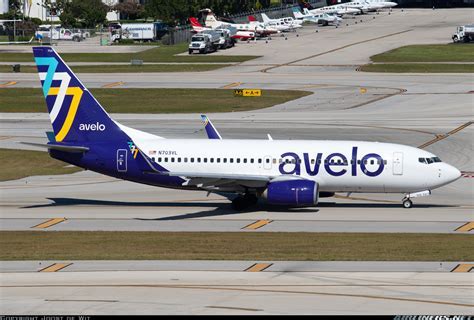
Making its debut in the spring of 2021, Avelo Airlines is a relatively new player in the U.S. budget airline market. The airline’s founder brings a wealth of industry experience, having held executive positions at United Airlines and co-founding Allegiant Air, another low-cost carrier. Avelo’s strategy centers on point-to-point flights, currently eschewing connecting itineraries, and primarily serving smaller, more convenient airports often located near popular vacation destinations.
As of its initial phase, Avelo operates with a modest fleet of around six Boeing 737 aircraft and serves a curated list of approximately 22 destinations. Its route map is distinct, with main operational bases in Burbank, California (BUR), and New Haven, Connecticut (HVN). Interestingly, Avelo does not currently offer transcontinental flights connecting these two coastal hubs. The western network links Burbank to smaller regional airports in California, Oregon, and Washington, as well as larger leisure markets like Las Vegas, Salt Lake City, and Denver. The eastern network connects New Haven to cities in Tennessee, South Carolina, Georgia, and six destinations in Florida. This focus on smaller airports can be a significant advantage for travelers looking to avoid the congestion of major hubs, for example, Eureka’s airport (ACV) served by Avelo offers much closer access to Redwood National Park than San Francisco (SFO).
True to the budget airline model, Avelo charges additional fees for most amenities beyond a small personal item. However, these fees are often more reasonable than those of some competitors. A personal item that fits under the seat (14x9x9.5 inches) is free. A carry-on bag will incur a fee starting around $25 each way, while a checked bag starts at a slightly lower $20 each way – a pricing strategy designed to encourage checking luggage, potentially speeding up the boarding process and ensuring more overhead bin space for those who do carry on. Selecting a seat with extra legroom can start as low as $6 each way, and priority boarding is available for around $10. Flight changes incur no fee; you’ll receive an Avelo credit if the new flight is cheaper or pay the difference if it’s more expensive. Cancellations up to 15 minutes before departure are also free, resulting in an Avelo credit.
Avelo Pros:
- Competitive fares, particularly with date flexibility.
- Add-on fees are generally lower than many other airlines.
- Serves smaller airports, offering convenient access to certain leisure destinations.
- Pricing structure incentivizes checking bags, potentially leading to faster boarding.
Avelo Cons:
- Limited flight frequency on many routes, offering less scheduling flexibility.
- Small fleet size and tight schedules mean early delays can have a cascading effect on later flights.
- Standard seat pitch is 29 inches, slightly below average, though upgrades are affordable.
- No in-flight food, beverages, Wi-Fi, or entertainment currently offered.
Avelo flights include:
- One free personal item (14 x 9 x 9.5 inches)
- Carry-on bag: fee starting at $25 each way
- Checked bag: fee starting at $20 each way
- Seat selection: fee starting at $6 each way
- No change fees (fare difference applies or credit issued)
Breeze Airways: Nice, Nicer, Nicest Options for Budget Travelers
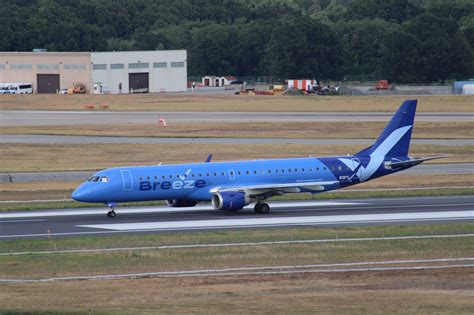
Breeze Airways officially launched in May 2021, though its genesis dates back to 2018 under the name Moxy Airways. The airline was founded by David Neeleman, a prominent figure in the airline industry with successful ventures like JetBlue, Azul Brazilian Airlines, and WestJet to his name. Breeze’s core concept, much like Avelo’s, is to connect underserved markets with point-to-point flights, focusing on routes that often lack non-stop service from larger carriers, primarily utilizing smaller, more convenient airports.
Initially, Breeze began operations with a fleet of Embraer E190/195 aircraft and has since started incorporating new Airbus A220s, with a significant order of 80 A220s to fuel its expansion. As of its early operational phase, Breeze serves around 18 cities, with a route map primarily covering the East Coast, Southeast, and extending west to cities like San Antonio, Texas, and New Orleans, Louisiana. Key airports include Providence (PVD), Pittsburgh (PIT), Hartford (BDL), Norfolk (ORF), Charleston (CHS), Louisville (SDF), Tampa (TPA), and West Palm Beach (PBI).
Breeze distinguishes itself with a tiered fare structure: “Nice,” “Nicer,” and “Nicest.” The base “Nice” fare is the most stripped-down, including only one personal item (17x13x8 inches) for free. Carry-on bags start at $25 each way, and checked bags from $29 each way. Any seat selection, even a standard one, starts at $10, with extra legroom seats costing $20 or more. The “Nicer” bundle offers significantly more value, including a personal item, one carry-on bag, one checked bag, priority boarding, an in-flight snack and soft drink, and a seat with extra legroom (typically around 39 inches of pitch). The “Nicest” fare, available on their A220 aircraft, is their first-class equivalent, providing everything in “Nicer” plus an additional free checked bag and a comfortable first-class seat. All Breeze flights allow changes or cancellations up to 15 minutes before departure with no fee, with the value returned as BreezePoints, their loyalty currency. A unique quirk is a $3 fee for printing a boarding pass at the airport, encouraging mobile check-in.
Breeze Pros:
- Attractive fares, especially for direct flights on underserved routes.
- Good standard seat pitch on Embraer jets (around 30-31 inches) and excellent pitch in “Nicer”/”Nicest” categories (up to 39 inches).
- User-friendly mobile app.
- BreezePoints loyalty program where points can be earned on fares and add-ons.
Breeze Cons:
- Limited flight frequency on many routes.
- Potential for cascading delays due to smaller fleet and network structure.
- Overhead bin space on Embraer aircraft can be smaller than average.
- Currently, no in-flight Wi-Fi or extensive entertainment options on most of the fleet (A220s are planned to have it).
Breeze “Nice” fares include:
- One free personal item (17 x 13 x 8 inches)
- Carry-on bag: fee starting at $25 each way
- Checked bag: fee starting at $29 each way
- Seat selection: fee starting at $10 each way ($20+ for extra legroom)
- Water is free; other snacks/drinks for purchase.
Breeze “Nicer” fares include:
- One personal item, one carry-on bag, one checked bag (free)
- Extra legroom seat (free)
- Priority boarding (free)
- One complimentary snack and soft drink
Breeze “Nicest” fares include (on A220s):
- One personal item, one carry-on bag, two checked bags (free)
- First-class seat with more legroom (free)
- Priority boarding (free)
- One complimentary snack and soft drink
Navigating with Caution: The Budget Airlines Requiring Extra Diligence
While the allure of a super-low fare can be strong, some budget airlines operate on a model where the initial price is merely a starting point. These carriers often have a reputation for stringent rules, numerous add-on fees, and a less-than-stellar customer service experience. While they might offer the absolute cheapest way to get from A to B for some travelers, it’s imperative to do thorough research and understand precisely what you’re paying for – and what you’re not.
Spirit Airlines: The Poster Child for Ultra-Low-Cost
Spirit Airlines is perhaps one of the most well-known ultra-low-cost carriers (ULCCs) in the United States. Originally founded as a charter service in the early 1980s, Spirit transitioned to the ULCC model in 2007 and now serves approximately 77 destinations across the U.S., Latin America, and the Caribbean. Spirit is infamous for its aggressive unbundling of fares, meaning the advertised price covers little more than a seat on the plane.
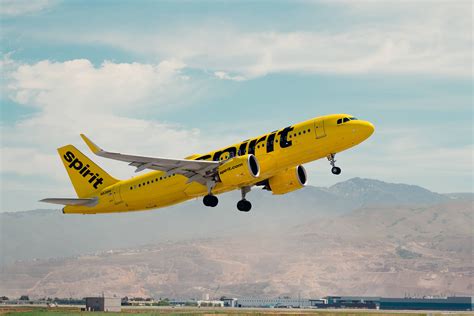
The airline’s philosophy is built around offering incredibly low base fares, which can indeed be very appealing at first glance. However, the final cost often escalates dramatically once essential add-ons are factored in. Spirit was a pioneer in charging for carry-on bags that go in the overhead bin, a practice it initiated in 2010. Passengers will also pay extra for checked bags, any seat selection (even a randomly assigned one at check-in if you want to choose), and all in-flight refreshments. There is no seat-back entertainment provided. Spirit’s customer service has frequently been a point of criticism, and perhaps the most significant physical discomfort factor is its seat pitch, which is a notoriously tight 28 inches on most of its aircraft. While Spirit does offer “Big Front Seats” with a more generous 36 inches of pitch, the additional cost for these seats can often negate any initial savings, sometimes making the total price comparable to or even higher than a standard economy ticket on a legacy carrier.
To truly save money on Spirit, a traveler must be prepared to travel exceptionally light (only a small personal item that fits under the seat is free), be indifferent to seat assignment, and forgo all in-flight amenities. It’s crucial to meticulously calculate all potential fees before booking, as the attractive upfront fare can be very misleading. Their fees for bags and seat selection are also dynamic and often more expensive at the airport than if pre-purchased online.
Spirit Airlines fees typically include (approximate and variable):
- Carry-on bag (overhead bin): starting around $33-$65+ each way (one small under-seat personal item is free)
- Checked bag: starting around $28-$60+ each way
- Seat selection: starting around $9-$50+ each way (Big Front Seats significantly more)
- All snacks and drinks available for purchase
- Fees for printing boarding passes at the airport
Frontier Airlines: The Bare-Bones Approach
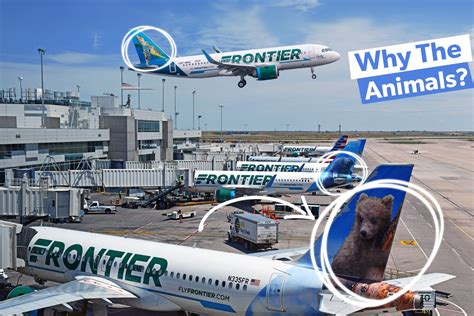
Similar to Spirit, Frontier Airlines operates firmly within the ultra-low-cost carrier segment. It began as a more traditional airline in the mid-1990s, primarily serving Denver after Continental reduced its presence there. Following several transformations, including financial challenges and changes in ownership, Frontier fully embraced the ULCC model in 2014. Today, it serves over 110 destinations across the U.S., Mexico, and the Caribbean, often identifiable by the animal illustrations on its aircraft tails.
Frontier’s pricing strategy mirrors that of Spirit: advertise very low base fares and then charge for nearly everything else. Passengers should expect to pay additional fees for checked bags, carry-on bags (beyond a small personal item), advance seat selection, and any in-flight snacks or beverages. Like Spirit, Frontier does not offer seat-back entertainment. The airline also has limited flexibility in terms of flight schedules and rebooking options, which can be problematic if travel plans change or disruptions occur.
The primary focus is on quantity over quality, which is evident in their seating. Most seats on Frontier aircraft offer a mere 28 inches of pitch, matching Spirit for the tightest squeeze in the U.S skies. While they do offer “Stretch” seating with a more comfortable 36-38 inches of pitch, these seats come at a significant premium, again potentially eroding any perceived savings from the base fare. Careful calculation of all anticipated costs is essential before committing to a Frontier flight, as the final price can easily approach or exceed that of a more inclusive airline.
Frontier Airlines fees typically include (approximate and variable):
- Carry-on bag (overhead bin): starting around $54-$70+ each way (one small under-seat personal item is free)
- Checked bag: starting around $49-$65+ each way
- Seat selection: starting around $6-$40+ each way (Stretch seats significantly more)
- All snacks and drinks available for purchase
- Fees for customer service assistance via phone and for airport agent services
Sun Country Airlines: From Midwest Getaway to ULCC Player
Sun Country Airlines, based in Minnesota, began its journey in the early 1980s, initially with just a single aircraft, catering to Midwesterners seeking sunny escapes during harsh winters. Over the years, it has evolved, and while it once offered a more traditional service, it has increasingly shifted towards the ultra-low-cost model. Today, Sun Country operates a fleet of around 30 passenger planes and flies to approximately 54 destinations in the U.S., Mexico, Central America, and the Caribbean.
All seats on Sun Country flights are classified as economy, though the airline sometimes offers different fare bundles that might include some extras. The standard seat pitch is generally 29-30 inches, which is slightly better than Spirit or Frontier but still below the average for many other airlines. This allows them to fit more passengers onto each aircraft. As is characteristic of ULCCs, Sun Country’s attractive base fares are supplemented by a range of ancillary fees. Passengers will incur additional charges for checked baggage, carry-on bags (beyond a personal item), advance seat selection, and all snacks and beverages on board. While there’s no seat-back entertainment, Sun Country does provide a library of free video entertainment that can be streamed to personal devices, a welcome touch compared to some other ULCCs.
One potential drawback of flying Sun Country is its relatively limited fleet and destination network. This can mean less flexibility in terms of flight dates and times, and if a flight is canceled, rebooking options might be scarce, potentially leading to significant delays or the need to find alternative travel arrangements. Change fees can also be substantial, particularly if made close to the departure date.
Sun Country Airlines fees typically include (approximate and variable):
- Carry-on bag (overhead bin): starting around $30+ each way (one small under-seat item is free)
- Checked bag: starting around $30+ each way
- Seat selection: starting around $8-$30+ each way
- Change fees: $50-$100 when less than 60 days to departure (may be free further out, depending on fare)
- All snacks and drinks available for purchase
Allegiant Air: The King of Secondary Airports and Non-Reclining Seats
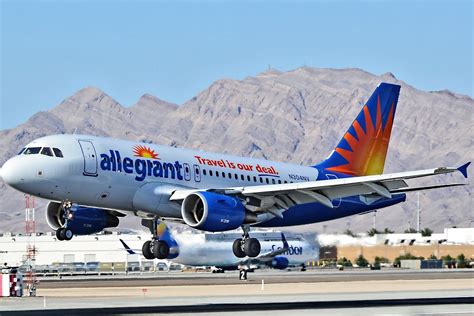
Allegiant Air began operations in the late 1990s, initially offering a mix of charter and scheduled passenger flights. After navigating a period of bankruptcy in the early 2000s, the airline reinvented itself as an ultra-low-cost carrier with a distinct operational model. Today, Allegiant serves nearly 130 destinations, primarily focusing on a point-to-point system connecting smaller, often underserved cities to popular leisure destinations, utilizing a relatively modern fleet of Airbus A319 and A320 aircraft.
Allegiant’s fee structure is comprehensive. Expect to pay extra for checked bags, carry-on bags (beyond a small personal item), any advance seat selection, and all in-flight snacks and beverages. Uniquely, Allegiant also charges a fee for making a reservation online or by telephone; to avoid this, passengers would theoretically need to purchase tickets in person at an airport ticket counter, a highly impractical option for most in the 21st century. Printing a boarding pass at the airport also incurs a fee. On a slightly more positive note, the standard seat pitch on Allegiant flights is around 30 inches, which is marginally better than some of its ULCC competitors. However, this small comfort is often offset by a significant drawback: the entire fleet is equipped with seats that do not recline. This is a deliberate cost-saving measure (less maintenance), but it can make for an uncomfortable journey, especially on longer flights.
A defining characteristic of Allegiant’s strategy is its extensive use of secondary airports. For example, when flying to the Phoenix area, Allegiant uses Phoenix-Mesa Gateway Airport (AZA), which is located about 45 minutes southeast of downtown Phoenix, rather than the more centrally located Phoenix Sky Harbor International Airport (PHX). While this can sometimes mean lower airport fees for the airline (and potentially the passenger), it can also result in additional ground transportation time and costs for travelers.
Allegiant Air fees typically include (approximate and variable):
- Carry-on bag (overhead bin): starting around $18-$75 each way (one small personal item is free)
- Checked bag: starting around $22-$75 each way
- Seat selection: starting around $5-$80 each way
- All snacks and drinks available for purchase
- Fee for booking online or via phone (e.g., “Electronic Carrier Usage Charge”)
- Fee for printing boarding pass at the airport
Decoding the Dollars: Understanding the True Cost of Budget Air Travel
Flying with a budget airline can undoubtedly save you money, but the key is to be a savvy consumer. The advertised fare is often just the tip of the iceberg. To ascertain the true cost of your journey, you must meticulously account for all potential ancillary fees. These can include charges for carry-on bags that exceed the very specific (and often small) dimensions of the free personal item, checked baggage (with fees often increasing per bag and by weight), advance seat selection (a near necessity if traveling with companions or desiring a specific location like a window or aisle), and even in-flight services like water on some ULCCs. Some airlines may also charge for printing a boarding pass at the airport or for paying with certain credit cards.
Before you click that “book” button, take the time to visit the airline’s website and thoroughly review their fee schedule. Add up the costs for every service you anticipate needing. You might find that once these extras are tallied, the “budget” airline is no cheaper – and perhaps even more expensive – than a full-service carrier that includes many of these amenities in its base fare. Traveling light (often with just a personal item that fits under the seat), being flexible with your travel dates and seat assignments, and always pre-paying for extras online (as airport fees are almost invariably higher) are crucial strategies for maximizing savings on these carriers.
When Does Flying a Budget Airline Make Financial Sense?
Despite the potential pitfalls, there are certainly scenarios where opting for a budget or ultra-low-cost carrier is a perfectly logical and cost-effective choice. If you’re embarking on a short flight where a couple of hours in a tighter seat is a manageable trade-off for significant savings, it can be worthwhile. If you’re a minimalist traveler who can comfortably fit everything into a small backpack that qualifies as a free personal item, you can genuinely capitalize on those low base fares. Sometimes, budget airlines offer direct routes to smaller airports that aren’t served by major carriers, saving you a connecting flight and considerable time. For travelers on an extreme budget constraint, where every dollar counts, even after factoring in necessary fees, a ULCC might still be the most affordable option. Finally, for last-minute travel when fares on legacy carriers are exorbitant, a budget airline might provide a more palatable price point.
The Final Boarding Call: Making an Informed Choice
Navigating the world of budget airlines in the USA requires a blend of optimism and pragmatism. While the promise of low fares is enticing, it’s crucial to remember that “low-cost” primarily refers to the airline’s operational model, not always the final price paid by the passenger. By understanding the different tiers of budget carriers, from value-focused LCCs like Southwest and JetBlue to the more austere ULCCs like Spirit and Frontier, and by diligently researching all potential fees, travelers can make informed decisions that align with their budget and comfort preferences. The ultimate goal is to find that sweet spot where affordability meets an acceptable travel experience, ensuring your journey begins and ends on a positive note, without any unwelcome financial turbulence.
Frequently Asked Questions About Budget Airlines in the USA
What is generally considered the best airline to fly on a budget in the USA?
While the “best” can be subjective and depend on your specific route and travel needs, Southwest Airlines is frequently lauded as one of the top choices for budget-conscious travelers in the USA. Their transparent pricing, which includes two free checked bags, no change fees (though fare differences apply), and complimentary snacks and drinks, offers exceptional overall value and a consistently decent flying experience.
Which budget airline is often cited for safety and affordability?
Southwest Airlines again stands out in this regard, maintaining a strong safety record alongside its budget-friendly fares and inclusive policies. While all U.S. airlines must adhere to stringent FAA safety regulations, Southwest’s long-standing reputation for operational safety combined with its value proposition makes it a popular choice. Newer LCCs like JetBlue also combine good safety records with competitive pricing and more amenities than ULCCs.
What is the absolute cheapest airline to fly in the USA right now?
The cheapest airline can fluctuate significantly based on the route, time of booking, demand, and current sales. However, ultra-low-cost carriers like Spirit Airlines and Frontier Airlines often advertise the lowest base fares. It is critical to remember that these base fares typically only cover your seat, and the total cost can increase substantially once fees for bags, seat selection, and other services are added.
Which airline is a leading low-cost carrier in the USA?
In the United States, Southwest Airlines is a dominant and pioneering low-cost carrier, known for its extensive domestic network and unique customer-friendly policies. JetBlue Airways is another major player in the LCC sector, differentiating itself with a higher level of included amenities. For the ultra-low-cost segment, Spirit and Frontier are significant carriers.