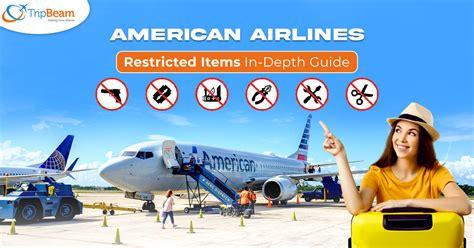
Understanding the intricacies of what you can and cannot bring on an American Airlines flight is paramount for a seamless and stress-free travel experience. Air travel regulations, particularly concerning restricted items, are in place for the safety and security of all passengers and crew. While the Transportation Security Administration (TSA) sets baseline standards for flights operating within and to/from the United States, individual airlines like American Airlines may have their own specific stipulations, sometimes more stringent than TSA guidelines. This in-depth guide is meticulously crafted to provide you with extensive details on American Airlines’ policies regarding restricted items, helping you pack smarter and avoid potential complications at the airport. Navigating these rules can seem daunting, but with clear information, you can approach your journey with confidence, knowing exactly what to expect.
At its core, the distinction between carry-on baggage and checked baggage dictates where certain items might be permitted, if at all. Carry-on bags are those you keep with you in the cabin, subject to size and weight limits, and stowed in overhead bins or under the seat in front of you. Checked baggage travels in the aircraft’s cargo hold. Due to the varying environments and accessibility, items posing a risk in the cabin (like larger sharp objects) might be permissible in checked luggage, while items sensitive to temperature changes or prone to causing fires if mishandled (like certain batteries) are often restricted to carry-on for closer monitoring. American Airlines, like all carriers, prioritizes safety, meaning any item deemed potentially hazardous, regardless of its general allowance, can be refused carriage at the discretion of airline personnel or security agents. This guide aims to demystify these rules, ensuring you are well-prepared for your next American Airlines flight.
Before delving into specific categories, it’s crucial to remember that these regulations can be updated. Therefore, while this guide offers comprehensive information based on current policies, verifying with the official American Airlines website or customer service, especially for unique items or shortly before your travel date, is always a prudent step. International flights may also involve additional restrictions based on the destination country’s laws, particularly concerning agricultural products, certain foodstuffs, and higher quantities of alcohol or tobacco. Being proactive in understanding these nuances will contribute significantly to a smooth and enjoyable journey.
Alcoholic Beverages: Navigating Onboard and Checked Limits
American Airlines permits passengers to travel with alcoholic beverages, but specific rules apply differently to carry-on and checked baggage, primarily hinging on alcohol content and quantity. For carry-on baggage, passengers can bring alcoholic beverages provided they are in retail packaging and contain no more than 70% alcohol by volume (140 proof). Each passenger is limited to a total of five liters of alcoholic beverages between 24% and 70% alcohol by volume. Beverages with 24% alcohol by volume or less (like most beer and wine) do not have a specific quantity limit imposed by American Airlines for carry-on, beyond the standard carry-on size and weight restrictions, but they must comply with the TSA’s 3-1-1 liquids rule if in containers of 3.4 ounces (100 milliliters) or less and fit into a single, quart-sized, clear, zip-top bag. However, alcoholic beverages purchased after the security checkpoint, such as from duty-free shops, are generally allowed onboard in quantities exceeding the 3-1-1 rule, provided they are in a secure, tamper-evident bag (STEB) and the receipt is visible. It is strictly prohibited to consume your own alcoholic beverages onboard any American Airlines flight; only those served by the cabin crew may be consumed.
When it comes to checked baggage, the rules are slightly more relaxed regarding quantity for beverages with 24% to 70% alcohol by volume, but the five-liter per passenger limit still applies for these stronger spirits. Alcoholic beverages with more than 70% alcohol by volume (over 140 proof), such as grain alcohol or some high-proof rums, are strictly forbidden in both carry-on and checked baggage due to their high flammability. It’s also critical to be aware of customs regulations of your destination country, as these can impose stricter limits on the amount of alcohol you can import, regardless of airline policy. For instance, when booking flight tickets to international destinations, a quick check of the destination’s customs website can prevent confiscation or fines upon arrival. Open containers of alcohol are not permitted in carry-on luggage.
Firearms and Ammunition: Strict Protocols for Safe Transport
The transportation of firearms and ammunition on American Airlines flights is subject to very strict regulations and is prohibited in carry-on baggage without exception. However, passengers may transport unloaded firearms in a locked, hard-sided container as checked baggage. This requires adherence to a specific declaration process. You must declare to an American Airlines agent that you are checking a firearm during the check-in process at the ticket counter. Do not attempt to declare firearms at the gate or curbside check-in. The firearm must be unloaded, and the container must be locked in such a way that it cannot be opened without substantial force; TSA may require you to provide the key or combination to open the container for inspection.
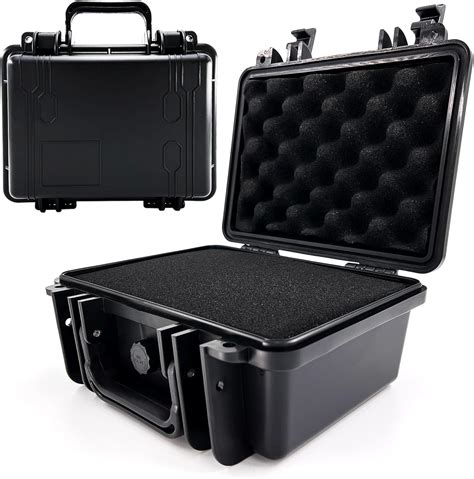
Ammunition may also be transported in checked baggage, with a limit of up to 11 pounds (5 kg) per passenger, and this allowance is strictly for personal sporting purposes. The ammunition must be securely packed in its original manufacturer’s packaging or in fiber, wood, or metal boxes specifically designed to carry small amounts of ammunition. It’s crucial that the ammunition is packed separately from the firearm. Some airports or destinations may have additional local restrictions on firearms and ammunition, so research is essential, especially for international travel. Magazines or clips containing ammunition must be securely boxed or packaged as well. Gun parts, including frames, receivers, and magazines, are also treated as firearms and must be transported in checked baggage following the same declaration and packaging protocols. Failure to comply with these regulations can lead to severe penalties, including denial of boarding and potential legal action.
Batteries: Powering Your Devices Safely in the Skies
Batteries, particularly lithium batteries, are a significant point of focus for airline safety due to their potential fire risk if damaged or short-circuited. American Airlines has specific rules for carrying batteries, largely aligning with international aviation safety standards.
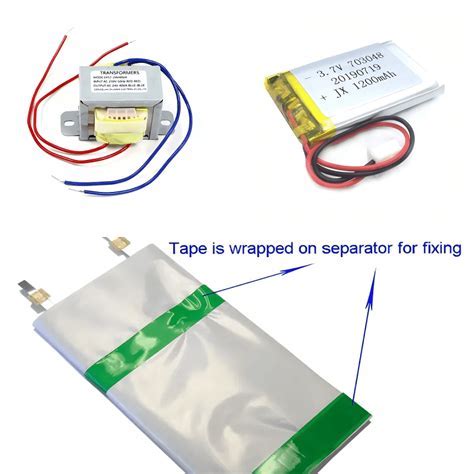
Spare lithium batteries of any type (lithium-ion, lithium-metal) are strictly prohibited in checked baggage. All spare batteries, including those for laptops, cameras, and mobile phones, as well as power banks and external chargers, must be carried in carry-on baggage only. To prevent short circuits, spare batteries should be kept in their original retail packaging, have their terminals covered with tape, or be placed in individual plastic bags. Damaged, defective, or recalled batteries are not allowed on any American Airlines flight.
For lithium-ion (rechargeable) batteries, the rules are based on their Watt-hour (Wh) rating:
- Batteries with a rating of 100 Wh or less: These are commonly found in personal electronic devices like laptops, tablets, smartphones, and cameras. You can carry an unlimited number of these batteries, both installed in devices and as spares, in your carry-on baggage. The reference material mentions “no restriction on the number of batteries,” which generally applies to those under 100Wh, though it’s always understood to be a reasonable quantity for personal use.
- Batteries with a rating between 101 Wh and 160 Wh: Passengers can carry a maximum of two spare batteries in this range in their carry-on baggage. These larger batteries might be found in professional audiovisual equipment or some medical devices. Airline approval may be required, so it’s advisable to contact American Airlines in advance. Batteries within this range installed in a device are also permissible in carry-on or checked baggage (though the device should ideally be in carry-on).
- Batteries exceeding 160 Wh: These are generally forbidden for carriage by passengers. However, for mobility aids or certain medical devices powered by lithium-ion batteries exceeding this limit, you must contact American Airlines’ Special Assistance co-ordinators for pre-approval and specific handling instructions.
For lithium metal (non-rechargeable) batteries, often used in cameras and watches, the lithium content must not exceed 2 grams per battery. If they meet this criterion, they are allowed in carry-on baggage, both installed in devices and as spares. For batteries with more than 2 grams of lithium content, you must contact American Airlines for guidance.
Non-spillable wet batteries (like gel cell or absorbed glass mat – AGM) may be permitted, but specific conditions apply, and pre-approval from American Airlines might be necessary. Standard automobile, boat, or aircraft wet cell (spillable) batteries are not allowed. When packing devices with installed batteries in checked luggage, ensure the device is completely switched off and protected from accidental activation or damage.
Cutting Instruments and Sharp Objects: Carry-On vs. Checked
The rules for carrying sharp objects depend heavily on the item’s nature and potential to be used as a weapon. Most sharp objects are prohibited from carry-on baggage but can be transported in checked baggage if properly sheathed or securely wrapped to prevent injury to baggage handlers and inspectors. Items like knives (of any length, except for plastic or round-bladed butter knives), box cutters, ice picks, meat cleavers, razor blades not in a cartridge, and swords must be placed in your checked luggage. Scissors with pointed tips and blades longer than 4 inches (measured from the pivot point) are also restricted to checked bags.
However, some less threatening sharp items are permitted in carry-on baggage. These typically include safety razors (including disposable razors where the blade is in a cartridge), plastic cutlery, and nail clippers. Small scissors with blades less than 4 inches from the pivot point are generally allowed by the TSA in carry-on, and American Airlines usually aligns with this, but it’s always subject to the final discretion of the security officer. If you have any doubt about a sharp object, it’s safest to pack it in your checked bag or leave it at home.
Self-Defense Sprays: A Strict Prohibition
American Airlines maintains a strict policy against the carriage of self-defense sprays. Items such as pepper spray, mace, tear gas, bear spray, or any other irritant or incapacitating sprays are not allowed in either carry-on or checked baggage on any American Airlines flight. This is a critical safety measure, as accidental discharge of such substances in the confined environment of an aircraft cabin or cargo hold could have severe consequences for passengers and crew. Unlike some airlines that may permit certain types of defense sprays in checked baggage under specific conditions, American Airlines’ policy is a complete prohibition.
Drones (Unmanned Aircraft Systems – UAS): Flying with Your Tech
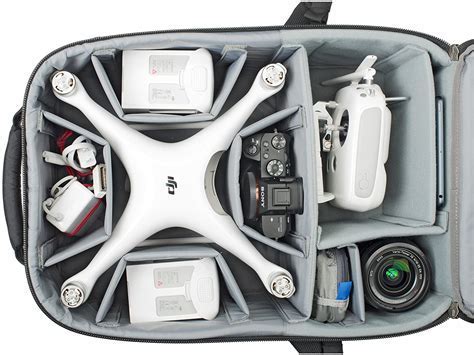
Passengers wishing to travel with drones on American Airlines flights can do so, but there are specific conditions. Drones can be brought as carry-on baggage provided the dimensions of the drone or its carrying case do not exceed the standard carry-on size limits, which are typically around 22 inches x 14 inches x 9 inches (56 x 36 x 23 cm). The critical component is the drone’s battery. If the drone uses lithium batteries, these batteries (especially spares) must adhere to the airline’s battery policy. The reference material states the drone battery must not exceed 160 Wh. If the batteries are removable, it’s highly recommended to remove them from the drone, protect them from short circuits, and carry them in your carry-on baggage. If the drone is packed in checked luggage, any lithium batteries must be removed and carried onboard. Always check the regulations for drone operation at your destination, as laws vary significantly by country and region.
Animal Products: Navigating International Customs
While not strictly an American Airlines safety restriction, the transport of certain animal products can be heavily regulated by international customs, particularly when flying to specific regions. For example, if your travel itinerary includes destinations in the European Union (EU), be aware that there are stringent restrictions on importing products of animal origin, such as meat, meat products, milk, cheese, lard, and dairy products, from non-EU countries. These regulations are in place to prevent the spread of animal diseases. Similar restrictions may apply to other countries as well. It’s the passenger’s responsibility to ensure compliance with the customs and agricultural laws of their destination. Failure to declare or attempting to bring prohibited animal products can result in confiscation and potential fines. For domestic travel within the U.S., these restrictions are generally less stringent, but it’s always wise to check if transporting specific perishable animal products over long distances.
Flammable Items: A Clear No-Go Zone
Items classified as flammable pose an undeniable risk on aircraft and are therefore strictly prohibited by American Airlines in both carry-on and checked baggage. This category is broad and includes flammable liquids such as fuel (gasoline, kerosene, propane), paints (most types, especially oil-based), lighter fluid, flammable adhesives and epoxies, solvents, and certain cleaning agents. Flammable solids, like strike-anywhere matches or items that can easily ignite, are also banned. Flammable gases, whether in cylinders or aerosols not intended for personal care or medical use (e.g., camping gas, gas torches, butane), are similarly forbidden. Attempting to bring such items onboard can lead to serious safety incidents, and passengers found violating these rules may face significant penalties. Always err on the side of caution: if an item has a flammable warning label or you suspect it might be flammable, do not pack it for your flight.
Household Items and Chemicals: Potential Hazards in Transit
Many common household items, particularly cleaning agents and chemicals, are not permitted on American Airlines flights due to their corrosive, toxic, or flammable properties. This includes items like spray starch, insecticides, aerosols not qualifying as personal care items (e.g., some air fresheners, spray paint), bleach, solvents, oven cleaners, drain cleaners, and strong acids or alkalis. These substances can leak, react dangerously with other materials, or emit harmful fumes in the pressurized environment of an aircraft or during temperature fluctuations in the cargo hold. When relocating or traveling for extended periods, it’s essential to plan for purchasing such items at your destination rather than attempting to transport them by air. The risks associated with these chemicals far outweigh any convenience of bringing them from home.
Lighters and Matches: Specific Rules for Personal Use
American Airlines, in line with TSA regulations, has specific rules for carrying lighters and matches. All lighters and matches are prohibited in checked baggage. This is due to the risk of accidental ignition in the cargo hold. However, passengers are permitted to carry one book of safety matches (non-strike-anywhere type) OR one common lighter (e.g., ‘Bic style’ disposable lighters or unsealed ‘Zippo style’ lighters) in their carry-on baggage, typically kept on their person. Torch lighters, also known as blue-flame lighters, jet lighters, or cigar lighters, are strictly prohibited in both carry-on and checked baggage due to their high-intensity flame and potential to ignite easily. Electronic lighters (plasma, arc, tesla coil lighters) are also generally banned. The reference material’s mention of an exception for Japan regarding safety matches is unusual; standard international practice is usually more restrictive for flights to/from/through countries like China regarding all lighters and matches. For American Airlines flights, the “one book of safety matches OR one common lighter in carry-on” is the guiding rule.
Personal Care Items: The 3-1-1 Rule and Checked Bag Limits
Personal care items, including liquids, aerosols, and gels (LAGs), are permissible on American Airlines flights, but quantities are restricted, especially for carry-on baggage. For carry-on, passengers must adhere to the TSA’s 3-1-1 rule: containers must be 3.4 ounces (100 milliliters) or smaller; all containers must fit into a single, clear, 1-quart-sized (or liter-sized) zip-top bag; and each passenger is allowed one such bag. This applies to items like aerosol deodorants, perfumes, colognes, hairsprays, shaving creams, toothpaste, lotions, and shampoos. Any personal care LAGs in containers larger than 3.4 ounces must be placed in checked baggage.
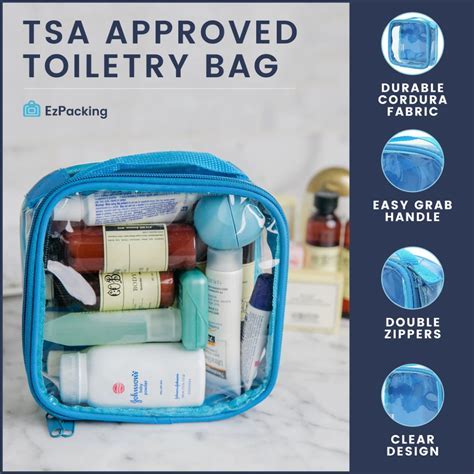
For checked baggage, the restrictions on personal care items are more generous. The total aggregate quantity of medicinal and toiletry articles (including aerosols) per passenger must not exceed 70 ounces (2 kg or 2 liters). Furthermore, the capacity of each individual container must not exceed 16 fluid ounces (0.5 kg or 500 milliliters). Aerosol release valves must be protected by a cap or other suitable means to prevent inadvertent release of the contents. This allows for the transport of larger, full-sized toiletries in your checked luggage without issue, provided these limits are respected.
Essential Medical Supplies and Equipment
American Airlines is committed to assisting passengers who need to travel with medical supplies and equipment. Prescription and over-the-counter medications are permitted in both carry-on and checked baggage. However, it is highly recommended to carry all essential medications in your carry-on baggage, along with a copy of your prescription or a doctor’s note, especially for controlled substances or injectable medications. Liquid medications are exempt from the 3-1-1 liquids rule in reasonable quantities for your flight itinerary, but you must declare them to TSA officers at the security checkpoint for inspection. Syringes for medical use are allowed in carry-on baggage when accompanied by the prescribed medication.
Passengers requiring Portable Oxygen Concentrators (POCs) can bring FAA-approved models onboard. You must notify American Airlines at least 48 hours before your flight and may need to complete a medical verification form. Ensure you have enough fully charged batteries to power the POC for at least 150% of the flight duration, as onboard charging may not be available or permitted. CPAP machines are also allowed in carry-on baggage and do not typically count against your carry-on allowance, but it’s wise to confirm this with the airline. Distilled water for humidifiers in CPAP machines may be subject to liquid restrictions unless it falls under the medical liquids exemption.
Navigating Sporting Goods and Equipment
Many types of sporting equipment can be transported on American Airlines flights, primarily as checked baggage, often subject to specific packaging requirements, size and weight limitations, and potentially excess baggage fees. Items like golf clubs (in a suitable bag), skis and snowboards (properly encased), fishing rods (in a protective case), and bowling balls (in a bag) are generally accepted. However, items that could be used as bludgeons, such as baseball bats, hockey sticks, lacrosse sticks, and pool cues, must be checked.
Archery equipment, including bows and arrows, must be transported in a hard-sided case and placed in checked baggage. Scuba diving equipment is also permissible, but dive tanks must be empty with the regulator valve completely disconnected. Bicycles usually require partial disassembly and specific packaging, often incurring a special handling fee. Always check American Airlines’ specific policies for your particular sporting equipment well in advance of your travel date to understand any fees, packaging instructions, or size restrictions.
Tools of the Trade: Carry-On and Checked Guidelines
When traveling with tools, the general rule is that most must be transported in checked baggage. Tools longer than 7 inches (measured from end to end when assembled), such as hammers, saws, drills and drill bits, wrenches, and pliers, are prohibited in carry-on baggage. Power tools must have their batteries removed (if lithium batteries, these must be carried in carry-on). Smaller tools, such as screwdrivers, wrenches, or pliers that are 7 inches or less in length, may be permitted in carry-on baggage by the TSA, but it’s always subject to the security officer’s discretion. To avoid any issues, it’s generally recommended to pack all tools, regardless of size, in your checked luggage, ensuring any sharp edges or points are securely wrapped or sheathed.
Dry Ice: Keeping Things Cool Safely
Dry ice (solid carbon dioxide) can be used to pack perishable items and is permitted on American Airlines flights in limited quantities. Passengers can typically carry up to 5.5 pounds (2.5 kg) of dry ice in either carry-on or checked baggage. The package containing the dry ice must be vented to allow for the release of carbon dioxide gas; an airtight container could rupture due to pressure buildup. The package must also be marked with the net weight of the dry ice and labeled “Dry Ice” or “Carbon Dioxide, Solid.” If you plan to travel with dry ice, it’s advisable to inform the airline during check-in.
E-cigarettes and Vaping Devices: Carry-On Only
Electronic cigarettes, e-cigarettes, vape pens, and other vaping devices, along with any spare lithium batteries for these devices, must be transported in carry-on baggage only. They are strictly prohibited in checked baggage due to the fire risk associated with their lithium batteries. It is also important to note that using or charging e-cigarettes or vaping devices is not permitted onboard any American Airlines flight. Spare batteries must be individually protected to prevent short circuits, as detailed in the battery section.
When in Doubt: Contact American Airlines Special Assistance
This guide covers a wide array of common items, but it’s not exhaustive. If you have an item you’re unsure about, or if you need to transport something that requires special handling (like oversized items, fragile goods, or certain medical equipment), the best course of action is to contact American Airlines directly. Their customer service representatives or Special Assistance team can provide definitive guidance and inform you of any pre-approval processes or specific packaging requirements. This proactive approach can save you significant time and potential frustration at the airport.
Understanding TSA vs. Airline Rules
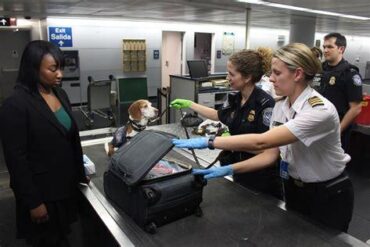
It’s important to recognize that the Transportation Security Administration (TSA) establishes the primary security screening procedures and lists of prohibited items for all flights departing from U.S. airports. American Airlines adheres to all TSA regulations but, like any airline, reserves the right to implement stricter policies for the safety and comfort of its passengers and crew. This guide focuses on American Airlines’ specific interpretations and any additional restrictions they may have. Always be prepared for your baggage to be screened by TSA, and remember that the final decision on whether an item is permitted through the security checkpoint rests with the TSA officers.
Final Tips for a Hassle-Free Journey
To ensure your travel with American Airlines is as smooth as possible:
- Always check the latest information on the official American Airlines website before you pack, as policies can change.
- Pack smart: Place restricted items in the correct bag (carry-on vs. checked) and ensure they are packaged according to regulations.
- Declare when necessary: Be prepared to declare items like firearms or certain medical equipment as required.
- Arrive early: Allow ample time for check-in, baggage drop, and security screening, especially if you have items requiring special attention.
- Be courteous and patient: Airline staff and security personnel are working to ensure everyone’s safety. Cooperation can go a long way.
By familiarizing yourself with American Airlines’ restricted items policies, you are taking a significant step towards a pleasant and uneventful travel experience. Safe travels!