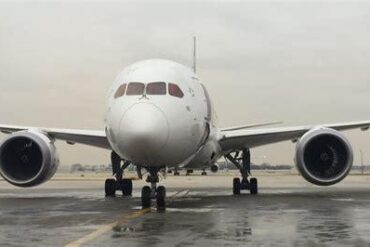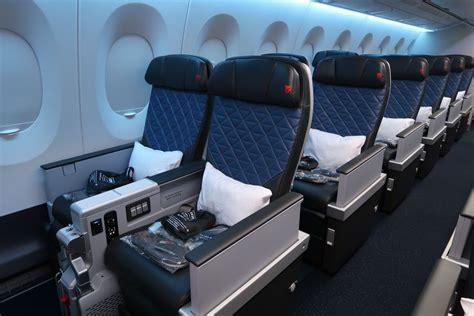
Delta Air Lines’ Airbus A350 has quietly evolved into one of the most nuanced widebody aircraft in commercial service. In 2026, it is no longer just Delta’s most modern long-haul jet; it is also one of the most configuration-dependent aircraft in the fleet. Two passengers booked in the same cabin, on the same aircraft type, can have radically different experiences depending on which A350 variant they are flying and exactly where they sit.
That complexity is precisely what makes seat selection on Delta’s A350s both frustrating and fascinating. Delta operates standard A350-900s, ultra-premium A350-900s, and a subfleet of former LATAM A350s that still carry design DNA from their previous operator. Cabin lengths vary, row numbering shifts, lavatory placement changes, and even entire cabins may appear or disappear depending on the airframe.
This guide cuts through that complexity with a clear, class-by-class analysis of where the best seats are in 2026, why they matter, and how to spot them quickly before clicking “confirm seat.”
Understanding Delta’s Airbus A350 Fleet in 2026
Delta’s Airbus A350-900 fleet has become the backbone of its longest and most premium international routes. By 2026, more than forty A350-900s are active, with additional deliveries on the way and the larger A350-1000 entering the fleet for high-density missions. While the -900 and -1000 are structurally similar from a passenger perspective, the seat maps and cabin ratios are where the real story unfolds.
The A350 is deployed where Delta wants to lead with premium capacity: transpacific routes from Seattle and Los Angeles, flagship transatlantic flights, and select high-yield corridors where Delta One demand is strongest. The aircraft’s wide fuselage allows Delta to install generous premium cabins without squeezing economy as aggressively as on older widebodies.
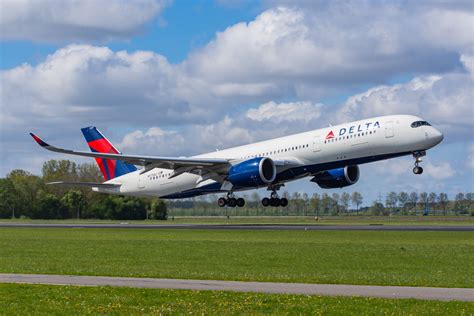
What complicates matters is Delta’s decision to fly multiple interior layouts under the same aircraft designation. Standard A350-900s offer a balanced mix of Delta One, Premium Select, Comfort+, and Main Cabin. Ultra-premium A350s skew heavily toward Delta One and Premium Select. Ex-LATAM aircraft, meanwhile, retain a 2-2-2 business class layout and may lack Premium Select entirely. Knowing which version you are on is the first step toward a great seat.
Delta One Suites: Where Privacy and Position Matter Most
On standard and ultra-premium A350-900s, Delta One is configured in a 1-2-1 layout with fully enclosed suites. Every passenger has direct aisle access, shifting the seat-selection game away from access and toward privacy, noise, and foot traffic. The best Delta One seats are not necessarily the most obvious ones.
Mid-cabin window suites, typically labeled A or K, are the gold standard. The staggered layout places the seat closer to the window, creating a cocooned feeling that minimizes aisle exposure. These seats benefit from lower foot traffic than the front or rear rows and are far enough from galleys to avoid clattering dishes during sleep windows.
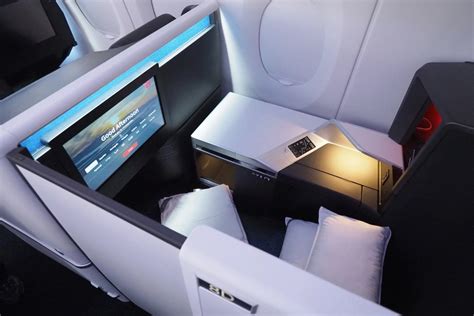
The first row of Delta One often looks tempting but comes with tradeoffs. Proximity to the forward galley and lavatories increases noise, especially on overnight flights when crew activity spikes during meal services. The last row suffers a similar fate, with added traffic from passengers queuing for restrooms and crew staging carts.
Center Delta One seats can be excellent for couples or solo travelers who enjoy a sense of openness. The best center seats are those where the console sits between the passenger and the aisle, providing a buffer against passing traffic. Avoid center seats where the seat itself is aisle-adjacent, as these feel more exposed and are more susceptible to light and movement.
Ex-LATAM A350s are the wild card. Their 2-2-2 Delta One cabin lacks direct aisle access for every seat, changing the calculus entirely. Solo travelers should prioritize aisle seats in the center pair, while couples will find the window pairs comfortable and private enough for shared travel. These cabins feel wider and less dense but lack the suite doors and modern polish of Delta’s newer layouts.
Premium Select: The Sweet Spot for Space and Service
Delta Premium Select on the A350 is one of the airline’s most underrated products, especially on ultra-long-haul flights. Typically arranged in a 2-4-2 layout, this cabin offers significantly more width, pitch, and recline than Comfort+ while maintaining a calmer, more curated atmosphere.
The undisputed best seats in Premium Select are the front bulkhead row. These seats offer the most legroom in the cabin, unobstructed by seat tracks or underseat hardware. They also benefit from faster meal service and quicker deplaning. The downside is the loss of underseat storage during takeoff and landing, which requires thoughtful packing.
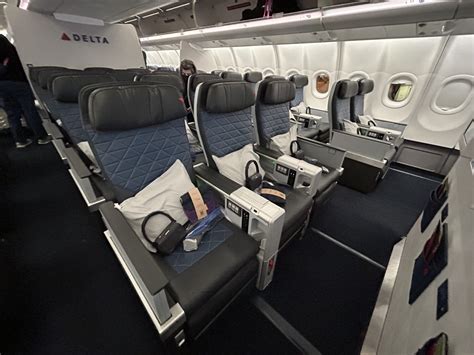
If the bulkhead is unavailable, window pairs become the next best option. Seats A/B and H/J provide a sense of separation from the center block and are ideal for couples or solo travelers who value a wall to lean against during rest. Aisle seats in the side pairs strike a balance between mobility and privacy, making them a practical choice for solo flyers.
The least desirable seats in Premium Select are the center middle seats, typically E and F. These are harder to exit and feel more confined, especially on full flights. The last row of the cabin should also be avoided due to reduced recline caused by the divider behind it. On ex-LATAM aircraft, Premium Select availability varies, so confirming cabin existence before booking is essential.
Comfort+: Maximizing Legroom Without the Noise
Comfort+ on Delta’s A350s is best thought of as strategically enhanced economy rather than a true separate cabin. The extra pitch is meaningful on long flights, but seat location determines whether that extra space feels like a blessing or a compromise.
The first row of Comfort+ is the prime target. Positioned directly behind Premium Select, this bulkhead row offers noticeably more legroom and a psychological sense of openness. It is particularly valuable on overnight flights where stretching out matters more than recline.
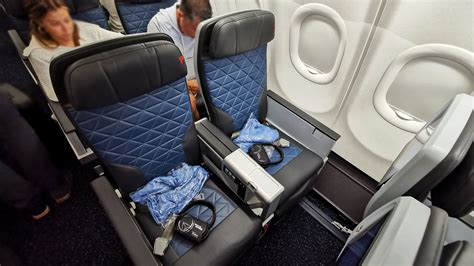
These seats do come with caveats. Underseat storage is restricted during critical phases of flight, and proximity to galleys can introduce noise. Still, for most passengers, the legroom advantage outweighs these downsides.
If the bulkhead row is taken, aim for window or aisle seats in the middle of the Comfort+ cabin, several rows removed from lavatories. This zone tends to be quieter and experiences less foot traffic. Aisle seats are especially practical for taller passengers who value easy access without disturbing neighbors.
Avoid the last row of Comfort+ whenever possible. Recline is often limited, and foot traffic increases as passengers move toward economy lavatories. Comfort+ delivers its value only when paired with smart seat geography.
Main Cabin: Quiet Zones Make All the Difference
The Main Cabin on Delta’s A350 is arranged in a 3-3-3 layout, and while no economy seat is truly luxurious, some are meaningfully better than others. The goal here is to avoid restrictions and disturbances rather than chase marginal gains.
The best Main Cabin seats are typically found in the first few rows behind Comfort+. These seats benefit from faster service, quicker exit, and a slightly calmer environment. Window seats in the middle section of the economy cabin, several rows away from lavatories, also perform well for passengers who value sleep and minimal disruptions.
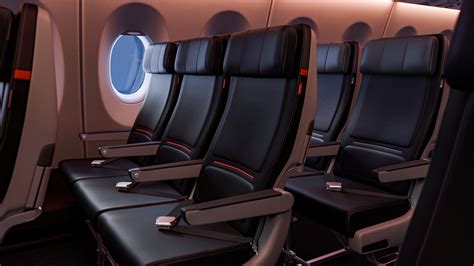
Avoid seats directly in front of lavatories, as constant door movement and queuing erode comfort quickly. The last row of any economy block should also be skipped due to limited recline and higher traffic. Window alignment is another subtle factor; some rows have misaligned windows, which matters more on long daylight flights.
A Practical 60-Second Seat Selection Logic
Choosing the best seat on a Delta A350 does not require obsession, just intention. First, confirm which A350 configuration you are flying. Second, identify bulkheads and mid-cabin zones. Third, avoid galleys, lavatories, and last rows. This simple logic eliminates most bad seats before personal preferences even enter the equation.
Delta’s seat maps, combined with third-party tools, make this process faster than ever. The key is to resist default seat assignments and spend one focused minute analyzing the cabin layout.
Why the A350 Rewards Informed Passengers
Delta’s Airbus A350 is not revolutionary because of any single seat, but because of how adaptable the aircraft is to Delta’s premium strategy. The same flexibility that allows Delta to tailor capacity also places responsibility on passengers to choose wisely.
In 2026, the A350 remains one of the most comfortable long-haul aircraft in the sky when seat selection is done right. When done poorly, it can feel no better than older widebodies. The difference lies in understanding the aircraft’s internal geography and using it to your advantage.
The smartest Delta A350 passengers are not chasing perfection. They are avoiding pitfalls. That mindset, more than any single row number, is what consistently leads to a better flight.