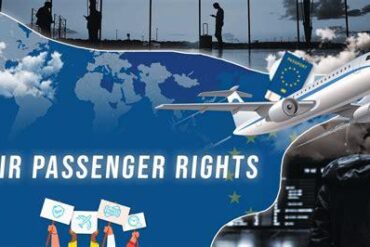
Air travel across Europe operates under one of the most robust passenger protection frameworks in the world, ensuring that travelers are not left stranded or financially disadvantaged when disruptions occur. At the core of this system lies Regulation (EC) No 261/2004, a legal instrument that has fundamentally reshaped airline accountability and passenger entitlements. Enforced across the European Union and extended to associated countries, these rules provide a powerful safety net for millions of passengers every year.
Understanding how these regulations work is not merely useful—it is essential. Whether facing a last-minute cancellation or a complex rerouting scenario, informed passengers are far better positioned to secure compensation, claim reimbursements, and demand proper care.
Scope and Applicability of EU Flight Cancellation Rules
The reach of Regulation (EC) No 261/2004 is both broad and precise. It applies to passengers departing from any EU airport, regardless of the airline’s nationality. It also extends to flights arriving within the EU, provided they are operated by an EU or EEA-based airline. Countries such as Iceland, Norway, and Switzerland are also covered under this framework, reinforcing its pan-European scope.
Passengers must hold a confirmed reservation and comply with check-in requirements. Interestingly, the regulation also protects those traveling on frequent-flyer tickets, as long as those tickets were accessible to the general public through loyalty programs.
This legal framework is overseen and supported by institutions such as the European Commission, which ensures consistent enforcement and provides guidance for both airlines and passengers.
Understanding What Constitutes a Flight Cancellation
A cancellation under EU law is not limited to flights that simply do not operate. It includes scenarios where the original flight plan is abandoned entirely, or when significant schedule changes occur—such as a departure being moved forward by more than one hour.
This distinction matters because airlines may attempt to classify disruptions as delays rather than cancellations. However, under EU law, passengers are entitled to far stronger protections when a cancellation is officially recognized.
Passenger Rights Following a Cancellation
When a flight is canceled, airlines are legally obligated to offer passengers a clear and immediate choice between three core options:
- Full reimbursement of the ticket cost, including unused portions, processed within seven days.
- Rerouting at the earliest opportunity, ensuring minimal delay in reaching the final destination.
- Rerouting at a later date, allowing passengers to travel at their convenience, subject to seat availability.
This choice must be provided free of charge, and once selected, it typically becomes binding. However, passengers may still retain eligibility for compensation depending on the circumstances of the cancellation.
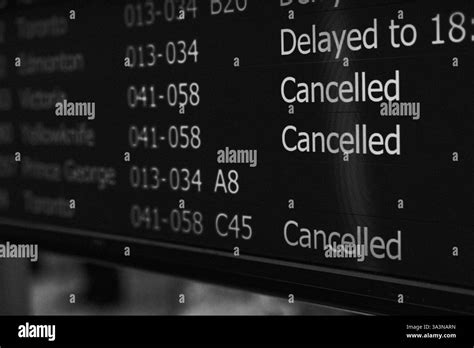
The importance of this decision cannot be overstated. Choosing immediate rerouting may save time, while opting for reimbursement may provide greater flexibility. Strategic decision-making at this stage often determines the overall outcome of the disruption.
Right to Care: Immediate Support During Disruption
Beyond rerouting and refunds, EU law mandates that airlines provide comprehensive care and assistance during the waiting period. This obligation exists regardless of the cause of the cancellation and includes:
- Meals and refreshments proportionate to the waiting time
- Hotel accommodation when an overnight stay is necessary
- Transportation between the airport and accommodation
- Communication support, such as phone calls or emails
Passengers who incur these expenses independently must retain receipts, as airlines are required to reimburse reasonable costs. This aspect of the regulation ensures that travelers are not left to manage unexpected disruptions at their own expense.
Compensation: Financial Redress for Inconvenience
One of the most powerful elements of EU passenger rights is the provision for flat-rate financial compensation. This compensation is calculated based on the distance of the flight:
- €250 for flights up to 1,500 km
- €400 for flights between 1,500 km and 3,500 km
- €600 for flights exceeding 3,500 km
These amounts are not symbolic—they represent a significant financial remedy designed to incentivize airlines to minimize disruptions and treat passengers fairly.
However, compensation may be reduced by 50% if passengers accept rerouting and arrive within specific time thresholds. This nuanced rule reflects a balance between operational flexibility for airlines and fairness for passengers.
When Airlines Are Not Required to Pay Compensation
Despite the strength of these protections, compensation is not guaranteed in every case. Airlines are exempt under two primary conditions:
Advance Notice of Cancellation
If passengers are informed sufficiently in advance, compensation may not apply:
- More than 14 days before departure: no compensation
- 7–14 days with suitable rerouting: no compensation
- Less than 7 days with minimal schedule disruption: no compensation
The burden of proof lies entirely with the airline, which must demonstrate when and how passengers were notified.
Extraordinary Circumstances
Airlines are also exempt when cancellations result from events beyond their control. These include:
- Severe weather conditions
- Air traffic control restrictions
- Security risks or political instability

However, the definition of “extraordinary” is tightly constrained. Technical faults, staffing shortages, and operational inefficiencies are not considered extraordinary. Even airline staff strikes often fall outside this exemption, reinforcing the regulation’s passenger-first philosophy.
Strategic Steps to Take When Your Flight Is Cancelled
Navigating a cancellation effectively requires both awareness and action. Passengers should immediately engage with the airline and document every interaction. Key steps include:
- Request written confirmation of the cancellation and available options
- Retain all travel documents, including boarding passes and receipts
- Submit a formal complaint through the airline’s official channels
If the airline fails to respond satisfactorily within two months, passengers can escalate the matter to a national enforcement body or pursue alternative dispute resolution mechanisms.
The Role of National Enforcement Bodies
Each EU member state designates a National Enforcement Body (NEB) responsible for overseeing compliance with passenger rights regulations. These bodies act as regulatory watchdogs, ensuring that airlines adhere to their legal obligations.
Passengers can file complaints with the relevant NEB based on the location of departure or arrival. This decentralized enforcement model ensures localized accountability while maintaining consistent standards across Europe.
Time Limits and Legal Considerations
Claims for compensation are subject to national limitation periods, typically ranging from two to three years. This variation means that passengers must act promptly to avoid losing their entitlement.
Legal avenues such as the European Small Claims Procedure provide an accessible route for pursuing compensation without incurring significant legal costs. This system further strengthens the enforceability of passenger rights.
Why EU Flight Cancellation Rules Set a Global Benchmark
The EU framework stands apart due to its clarity, enforceability, and passenger-centric design. Unlike many other jurisdictions where compensation is limited or discretionary, European regulations impose strict, legally binding obligations on airlines.

This model has influenced aviation policy worldwide, prompting discussions about similar protections in other regions. For passengers traveling within or through Europe, it represents a level of security unmatched in global aviation.
Maximizing Your Rights as a Passenger
Passengers who understand their rights are far more likely to achieve favorable outcomes. Awareness transforms a stressful disruption into a manageable, structured process with clear remedies.
The key lies in assertiveness backed by knowledge. Airlines operate within a legal framework that demands compliance, and passengers who invoke these rights effectively can secure not only financial compensation but also proper treatment during disruptions.
Conclusion: Turning Disruption Into Opportunity
Flight cancellations are an inevitable part of modern aviation, but under EU law, they are far from powerless events. With Regulation (EC) No 261/2004, passengers are equipped with a comprehensive set of rights that ensure fairness, transparency, and accountability.
From immediate care to substantial financial compensation, the system is designed to protect travelers at every stage of disruption. Those who approach cancellations with clarity and confidence will find that the balance of power is firmly in their favor.
In the landscape of global air travel, European passenger rights are not just a policy—they are a strategic advantage for every informed traveler.