Air travel promises speed and convenience, yet even the most meticulously planned journey can unravel in an instant. A delayed departure, a last-minute cancellation, or an unexpected rerouting can quickly turn anticipation into frustration. Within Europe, however, travelers are not left powerless. The EU261 regulation, formally known as the Air Passengers Rights Regulation, stands as one of the most robust consumer protection frameworks in global aviation, offering passengers not only care and assistance but also direct financial compensation when airlines fall short.
Understanding how EU261 works is not just useful—it can translate directly into hundreds of euros in your pocket. Airlines operating under this regulation have collectively paid out hundreds of millions to affected passengers, yet many eligible travelers never file claims simply because they don’t fully grasp their rights. That gap is where this guide becomes essential: a complete, detailed breakdown of when EU261 applies, how compensation is calculated, and exactly how to claim what you’re owed.
What Is EU261 and Why It Matters for Every Traveler
EU261 is a European Union regulation enacted in 2005 to protect air passengers from disruptions caused by airlines. Unlike many other regions where compensation policies are inconsistent or voluntary, EU261 imposes legal obligations on airlines, ensuring that passengers receive standardized treatment across member states.
The regulation applies not only to flights within the EU but also to a wide network of routes connected to Europe. It covers 27 EU countries, along with associated regions and territories such as the Canary Islands, Madeira, Iceland, Norway, and Switzerland. This broad scope transforms EU261 into a global force, impacting travelers far beyond Europe’s borders.
What makes EU261 particularly powerful is its dual-layer protection. First, it guarantees immediate care—meals, accommodation, and communication—during disruptions. Second, it provides fixed monetary compensation when delays or cancellations meet specific thresholds. This combination ensures both short-term comfort and long-term accountability.
Which Flights Qualify for EU261 Protection
Eligibility under EU261 depends on two key factors: where your flight departs from and which airline operates the flight. These criteria create four distinct scenarios that determine whether compensation rules apply.
Flights that depart from any EU country are covered regardless of the airline. Whether you’re flying on a European carrier or an international airline, EU261 protections automatically apply. This means a flight from Paris to New York or Berlin to Tokyo falls squarely under the regulation.
Flights arriving in the EU are more nuanced. They are covered only if operated by an EU-based airline. For instance, a flight from New York to Frankfurt on Lufthansa qualifies, while the same route on a non-EU airline may not.
Flights entirely outside the EU are generally excluded unless they are part of a connected itinerary originating in Europe. In such cases, even segments operated in other countries can fall under EU261’s umbrella, extending protection far beyond European airspace.
Codeshare Flights: The Hidden Detail That Changes Everything
Modern air travel is dominated by alliances and partnerships, where passengers often book through one airline but fly with another. Under EU261, the operating carrier—not the ticket seller—determines responsibility.
This distinction is critical. If you book through a European airline but the flight is operated by a non-EU carrier, your eligibility may vanish. Conversely, flying on an EU carrier—even if booked through a foreign airline—can secure your rights.
This subtle detail often determines whether a claim succeeds or fails. Travelers who overlook it risk leaving significant compensation unclaimed.
Understanding Flight Delays Under EU261 Rules
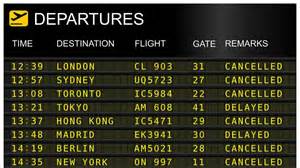
Not every delay triggers compensation, but EU261 establishes clear thresholds that define when airlines must act. The regulation distinguishes between basic assistance rights and financial compensation, depending on the length of the delay and flight distance.
Passengers are entitled to care—such as meals and communication—once delays reach specific durations. However, compensation begins at delays of three hours or more upon arrival, provided the disruption is within the airline’s control.
Airlines frequently attempt to avoid payouts by citing “extraordinary circumstances.” These include events like severe weather, political instability, or air traffic control restrictions. However, technical faults and mechanical issues are not considered extraordinary, making them valid grounds for compensation.
This distinction is where many claims are won or lost. Airlines may initially deny responsibility, but passengers who understand the regulation can challenge these decisions effectively.
What Assistance Airlines Must Provide During Delays
Even before compensation is considered, EU261 ensures that passengers are not left stranded without support. Once delays exceed certain thresholds, airlines must provide immediate assistance proportional to the waiting time.
This includes meals, refreshments, and access to communication such as phone calls or emails. If the delay extends overnight, airlines are required to arrange hotel accommodation and transportation between the airport and the hotel.
These obligations apply regardless of whether the delay qualifies for financial compensation. Even in extraordinary circumstances, airlines must still provide care, reinforcing the regulation’s focus on passenger welfare.
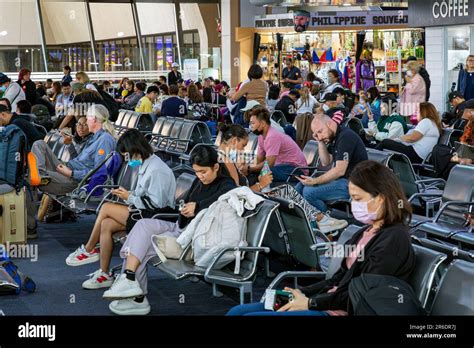
Flight Cancellations: When Airlines Owe You More Than an Apology
Cancellations trigger some of the strongest protections under EU261. A flight is considered canceled not only when it is outright scrapped but also when passengers are rebooked onto a different flight or diverted to another airport serving the same region.
When a cancellation occurs, airlines must offer passengers three clear options: a full refund, rerouting at the earliest opportunity, or rerouting at a later date chosen by the passenger. These choices ensure flexibility, allowing travelers to adapt their plans without financial loss.
Compensation comes into play when airlines fail to provide at least 14 days’ notice of the cancellation. In such cases, passengers may be entitled to substantial payouts, depending on the distance of the flight and the delay in arrival at the final destination.
How Much Compensation Can You Claim Under EU261
EU261 sets fixed compensation amounts based on flight distance, creating a transparent and predictable system. The longer the journey, the higher the payout.
- €250 per passenger for flights up to 1,500 kilometers
- €400 per passenger for flights between 1,500 and 3,500 kilometers
- €600 per passenger for flights over 3,500 kilometers
These amounts apply per passenger, meaning families or groups can receive significant total compensation. In some cases, airlines may reduce payouts by 50% if they offer rerouting that minimizes the delay, but the entitlement itself remains intact.
This standardized structure eliminates ambiguity and empowers passengers to calculate their claims with precision.
Early Departures and Schedule Changes: A Lesser-Known Trigger
A lesser-known aspect of EU261 is its treatment of early departures. If a flight is moved forward by more than one hour with less than 14 days’ notice, it is legally treated as a cancellation.
This means passengers affected by such changes may qualify for the same compensation as those whose flights were canceled outright. It’s a powerful provision that prevents airlines from avoiding liability by simply shifting schedules instead of canceling flights.
EU261 for International and U.S.-Based Travelers
EU261 is not limited to European citizens. Any passenger, regardless of nationality, can claim compensation if their flight meets the eligibility criteria.
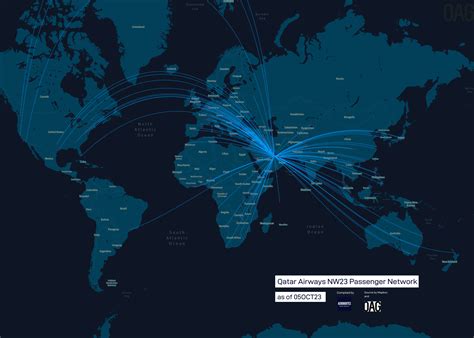
For travelers based in the United States, this creates valuable opportunities. A flight from New York to Europe operated by an EU airline is covered, as is any flight departing from Europe back to the U.S. This dual coverage ensures that transatlantic travelers often benefit from EU261 protections on at least one leg of their journey.
Additionally, recent interpretations of the regulation extend coverage to connecting flights originating in the EU, even if subsequent segments occur outside Europe. This expansion significantly broadens the reach of passenger rights.
How to File an EU261 Compensation Claim Successfully
Filing a claim under EU261 requires preparation and attention to detail. Airlines typically provide claim forms on their websites, allowing passengers to submit requests electronically. Alternatively, claims can be filed via email or traditional mail.
The key to success lies in documentation. Passengers should retain boarding passes, booking confirmations, and any communication from the airline regarding the disruption. A clear explanation of the incident, along with a reference to EU261 provisions, strengthens the claim significantly.
Timing also matters. Each country sets its own deadlines for filing claims, often ranging from one to several years. Filing promptly increases the likelihood of a swift resolution.
While some travelers choose to handle claims independently, others turn to specialized companies that manage the process in exchange for a percentage of the compensation. These services can simplify complex cases but reduce the final payout.
Why Airlines Often Resist—and How Persistence Pays Off
Airlines process thousands of claims annually, and not all are approved on the first attempt. Denials often cite extraordinary circumstances or insufficient documentation. However, these responses are not always final.
Passengers who challenge initial rejections, provide additional evidence, or escalate complaints to national enforcement bodies frequently succeed in securing compensation. Persistence is not just advisable—it is often the deciding factor.
This dynamic highlights a broader truth: EU261 is only as powerful as the passenger’s willingness to enforce it. Those who understand their rights and pursue claims diligently are far more likely to receive what they are owed.
The Real Value of Knowing Your EU261 Rights
EU261 transforms the passenger-airline relationship by introducing accountability into an industry where disruptions are common. It ensures that delays and cancellations carry financial consequences for airlines, incentivizing better operational performance.
For travelers, the regulation offers more than compensation—it provides leverage. Knowing your rights changes how you navigate disruptions, from requesting immediate assistance at the airport to confidently filing claims afterward.
In an era where travel demand continues to rise and operational challenges persist, EU261 remains a critical safeguard. It turns inconvenience into compensation and uncertainty into clarity, rewarding those who take the time to understand and assert their rights.