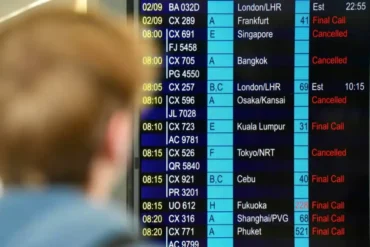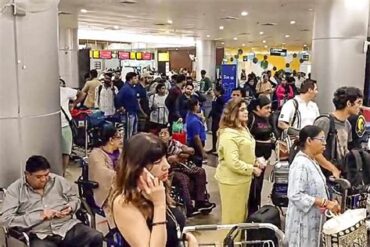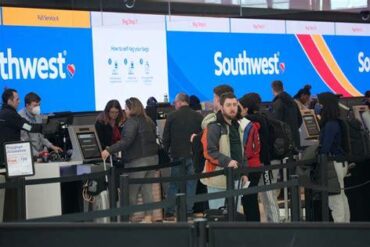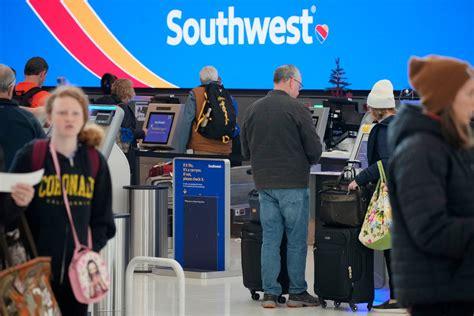
Southwest Airlines is once again under intense scrutiny as widespread cancellations disrupt thousands of flights across the United States. From coast to coast, passengers are finding themselves stranded, rerouted, or left in limbo as the airline grapples with a trifecta of challenges: extreme weather conditions, staffing shortages, and an outdated scheduling infrastructure that has long plagued its operations. As this crisis unfolds, travelers need more than just apologies—they need clarity, compensation, and control.
The Perfect Storm: Weather, Staffing, and System Failures Collide
The recent spate of cancellations didn’t arise from a single point of failure. Instead, it is the cumulative effect of systemic inefficiencies, amplified by a surge of summer travel. Severe thunderstorms, dense fog, and disruptive wind patterns especially in Northeast and Midwest hubs—like Boston Logan, New York LaGuardia, and Washington D.C.’s Reagan Airport—have grounded hundreds of flights. But weather alone doesn’t account for the operational collapse.
Staffing shortages, particularly among flight crews and ground personnel, have exacerbated the disruption. Many employees are working overtime, and union leaders have voiced concerns about burnout and safety compromises. According to internal sources, Southwest’s crew rescheduling system, an outdated legacy platform, has been unable to dynamically adapt to changing conditions, resulting in missed connections and aircraft without staff.
Federal Attention and Lawsuits: DOT Steps In
The U.S. Department of Transportation (DOT) has filed a formal lawsuit against Southwest Airlines, citing its persistent failure to update its core scheduling software. This same flaw was evident during the 2022 holiday meltdown, when over 16,000 flights were canceled. While Southwest promised infrastructure improvements in early 2023, the current events suggest those pledges have fallen short.
DOT Secretary Pete Buttigieg has reiterated that airlines are legally obligated to honor passengers’ rights, particularly during operational disruptions that are within their control. In this case, software and staffing fall squarely into that category.
What Southwest Is Offering: Refunds, Rebooking, and Standby
Southwest has announced several temporary relief measures for affected travelers. These policies apply regardless of fare class—including Basic and Wanna Get Away fares, which typically have more restrictions.
- Free Rebooking or Standby: Passengers can rebook or go on standby at no additional cost for any flight within 14 days of their original departure.
- Full Refunds: If your flight is delayed by more than three hours or outright canceled, you’re entitled to a full refund, including EarlyBird Check-In fees, seat selections, and baggage charges.
- No Penalties for 24-Hour Cancellations: If your booking is less than 24 hours old, you can cancel with no penalties.
This policy, while seemingly generous, has limitations in practice. Many travelers report long customer service wait times and technical issues on the Southwest website, which make claiming benefits a frustrating experience.
Your Legal Rights as a Passenger
Regardless of what Southwest offers, federal regulations provide you with baseline protections. If your flight is canceled or delayed significantly for reasons within the airline’s control (like crew scheduling issues), you have the right to:
- Receive a full refund for the unused portion of your trip.
- Request reimbursement for ancillary services you didn’t use, such as Wi-Fi, seat upgrades, or prepaid baggage.
- Book a flight with another airline and seek retroactive reimbursement from Southwest, although this can be a bureaucratic process.

What You Can Do Right Now If Your Flight Is Canceled
Cancellations don’t just disrupt schedules—they derail entire plans. But you can take action immediately to minimize the damage.
First, track your flight status continuously using the Southwest mobile app or a flight tracking website. Notifications often go out late, and proactive monitoring gives you a head start.
Second, if your flight is canceled or delayed, act fast. Seats on alternative flights vanish quickly during mass disruptions. Contact the airline via its mobile app, social media channels (like Twitter/X), or even in-person at the airport. Many passengers have found faster resolutions at airport kiosks than through the overloaded customer service lines.
Third, don’t hesitate to explore other carriers. If you find a replacement flight, book it and keep all receipts. You can later submit a refund request from Southwest.
Finally, be courteous but firm. Airline agents are under enormous pressure, and maintaining your composure can often lead to more favorable outcomes.
The Broader Industry Problem: Southwest’s Wake-Up Call
The ripple effects of Southwest’s failure are a stark warning to the aviation industry. While the airline blames weather and staffing, the underlying issue is its archaic scheduling infrastructure. In an age where real-time analytics, predictive AI, and mobile-first solutions are standard across industries, Southwest’s reliance on manual crew pairings and siloed systems seems almost reckless.
In January 2023, Southwest announced a $1.3 billion tech overhaul, but by mid-2025, much of that investment has yet to yield tangible benefits. Critics argue that Southwest prioritized branding and expansion over core operational resilience.
The DOT’s lawsuit could be the push Southwest needs to finally modernize its operations. If found noncompliant, the airline faces potential hefty fines, public accountability measures, and forced restructuring of its IT roadmap. Meanwhile, passengers bear the brunt of these strategic missteps.
Why This Keeps Happening and What’s Next
Repeated disruptions at Southwest stem from a mismatch between business scale and operational maturity. While the airline thrives on a point-to-point network—offering flexibility and lower costs—it struggles under pressure compared to the hub-and-spoke models used by rivals like Delta and United.
This structure, once a strength, becomes a liability during mass cancellations. A delay in Baltimore can cascade through Denver, Phoenix, and San Diego, taking entire routes offline. Without an AI-powered system to reroute aircraft and crews, the domino effect becomes uncontrollable.
Until this digital transformation is complete, passengers should expect recurring flight disruptions, especially during peak travel seasons or extreme weather events. Unfortunately, Southwest’s loyal customer base—attracted by low fares and free checked bags—may find these perks insufficient compensation for the chaos.
Conclusion: How to Travel Smarter Amid the Chaos
Southwest Airlines’ ongoing cancellations reflect deeper issues than just seasonal disruptions. With the DOT lawsuit spotlighting their flawed infrastructure, the airline is now under intense pressure to modernize or face regulatory consequences. In the meantime, passengers need to be proactive, informed, and assertive.
Know your rights. Demand your refunds. Document everything. And most importantly, always have a backup plan. Whether that’s booking with another carrier, leveraging credit card travel insurance, or simply allowing more buffer time in your itinerary, being prepared is your strongest defense.
The future of budget air travel depends not just on low fares, but on reliable, resilient infrastructure. Until then, navigating Southwest Airlines cancellations will remain a test of patience, planning, and persistence.