The Transportation Security Administration (TSA) has landed itself in the center of a controversy that blends bureaucratic incapacity with regulatory overreach. At the heart of the issue lies a staggering $48 million fine levied against Southwest Airlines—a penalty triggered by the airline’s failure to refund 9/11 security fees for unused travel. Yet, in a startling contradiction, the very agency imposing this fine openly admits it is incapable of processing those same refunds itself.
A Fee Collected in Trust: The 9/11 Security Charge
The 9/11 Security Fee, also called the Passenger Fee, was established in the aftermath of the September 11 attacks to help fund the federal government’s aviation security infrastructure. Currently set at $5.60 for a one-way trip, or $11.20 for a round trip, this fee is collected by airlines at the time of booking and held “in trust” for the TSA. The funds are then remitted to the agency to cover a portion of its operational costs.
The expectation is simple: if a traveler cancels their trip and never boards the plane, the fee is no longer due, and thus, the traveler is entitled to a refund.
Southwest’s Expired Credits and the $48 Million Dilemma
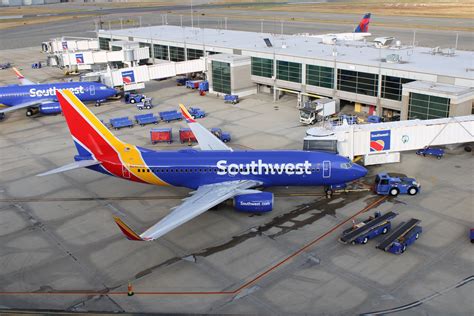
Between 2015 and 2019, the TSA conducted two audits of Southwest Airlines and discovered that customers had allowed an estimated $48 million in travel credits to expire, without receiving refunds for the security fee component. The agency argues that because the passenger never traveled, the fee should have been returned to them in cash—not retained by Southwest.
However, Southwest contends that once a customer lets their credit expire, they effectively forfeit all associated funds, including the government-imposed fee. In the airline’s view, the TSA, not the airlines, should be responsible for refunding the federal fee. And, legally speaking, there may be some precedent: TSA regulations allow refunds of fees “paid by mistake,” though that definition remains hotly debated.
TSA’s Contradiction: Enforcing Refunds It Can’t Administer
What renders this situation especially problematic is the TSA’s admission that it cannot issue refunds to individual passengers. A TSA legal representative defended this by stating the agency is not “built to refund millions of passengers.” Despite this, the TSA insists that airlines like Southwest must shoulder the responsibility for issuing those refunds—creating an unusual regulatory paradox.
Essentially, the TSA is punishing airlines for failing to perform a function that it cannot perform itself. This inconsistency has not only drawn criticism but exposed deeper structural gaps in the federal agency’s operational design.
Wider Implications for the Airline Industry
This is not an issue isolated to Southwest Airlines. All U.S. carriers collecting the 9/11 fee are potentially affected. Airlines are expected to gather this fee at the point of sale, report it to the TSA, and pass it along. However, the rules around refund obligations—especially when customers cancel or allow credits to lapse—are murky at best.
The Department of Transportation (DOT) has tried to offer some clarity, recently waiving the final $11 million of a separate $35 million fine against Southwest, citing that the money would be better used for operational improvements. Yet, that decision doesn’t change the underlying ambiguity surrounding who is ultimately responsible for refunding the security fee.
Billions Collected, Limited Accountability
The revenue collected from this fee is massive:
- 2023: $4.29 billion
- 2024: $4.49 billion
- 2025: $4.53 billion
Despite its purpose—funding security screening, technology upgrades, and law enforcement support—the TSA’s inability to manage basic refund mechanisms raises questions about transparency, efficiency, and fiscal accountability. Moreover, watchdog organizations have pointed out that Congress has frequently diverted these funds to support broader national security programs, stretching the original mandate of the fee.
Conclusion: Regulatory Overreach or Necessary Enforcement?
The case of Southwest Airlines reveals a deeper structural inconsistency within U.S. air travel regulation. The TSA’s dual role—as both the collector of fees and the arbiter of refund policies—has exposed its lack of operational tools to serve the very passengers it was designed to protect. Meanwhile, airlines are left absorbing the risk, confusion, and penalties.
As the aviation industry grapples with evolving federal oversight, one fact remains clear: without streamlined, enforceable refund procedures, passengers will continue to fall through the cracks. Whether it’s TSA or the airlines, someone must ultimately answer for the billions collected in the name of security—and the refunds left unpaid.