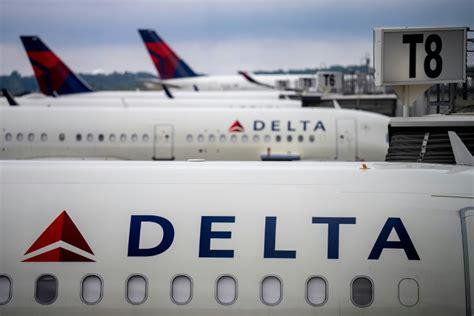
Delta Air Lines is facing mounting legal scrutiny after a proposed class-action lawsuit accused the airline of deliberately steering passengers away from receiving full cash refunds on refundable tickets. The lawsuit, filed in New York, alleges that the carrier designed its refund system to pressure customers into accepting restrictive travel credits instead of the cash reimbursements they were legally entitled to receive.
The complaint strikes at the center of one of the airline industry’s most controversial post-pandemic practices: encouraging passengers to accept airline-controlled credits that expire rather than returning money directly to travelers. According to the filing, Delta’s refund process relied on what the plaintiff described as deceptive digital design choices that obscured the full-refund option while aggressively promoting electronic credits.
At the heart of the case is the claim that passengers purchasing fully refundable premium fares were not clearly shown the cash-refund option during cancellation requests. Instead, the lawsuit alleges, Delta’s website automatically emphasized e-credits, potentially misleading travelers into believing that travel vouchers were the only available form of compensation.
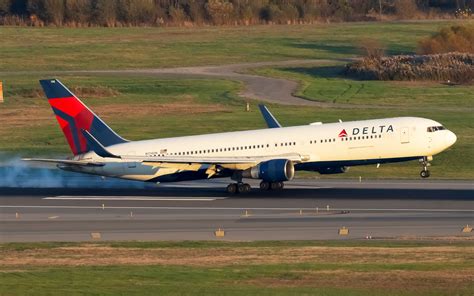
The plaintiff, Svetlana Sky, claims the airline violated consumer protection laws by forcing customers into accepting “inferior e-credits” that carried significant restrictions. Unlike cash refunds returned to the original payment method, Delta’s credits reportedly could only be used within the airline’s ecosystem and often expired within one year if unused.
The lawsuit further argues that Delta intentionally designed its cancellation interface to bury the cash-refund option deeper within the page structure. According to the filing, the e-credit option was allegedly pre-selected by default, a strategy the complaint compares to so-called “dark patterns” increasingly criticized by federal regulators and consumer watchdogs.
These digital manipulation tactics have become a growing target for regulators across multiple industries. The Federal Trade Commission has repeatedly warned companies against using “tricks and traps” that conceal important consumer choices or push users toward financially favorable outcomes for businesses. In Delta’s case, the lawsuit claims the airline effectively weaponized interface design to reduce cash outflows while locking customers into future spending with the carrier.
The proposed class action estimates damages could exceed $5 million in New York alone. If the case expands nationally, potential exposure could become significantly larger, especially if regulators or additional plaintiffs become involved.
Why Airlines Push Travelers Toward E-Credits Instead Of Refunds
The financial logic behind airline travel credits is straightforward, even if passengers often overlook the long-term consequences. While a $500 travel credit may initially appear identical to a $500 cash refund, the real-world value can differ dramatically depending on how — or whether — the passenger ultimately uses it.
Cash refunds restore purchasing freedom. Travelers can rebook with another airline, redirect funds elsewhere, or simply recover their money after disrupted travel plans. E-credits, however, keep the money inside the airline’s own ecosystem. That distinction is enormously valuable to carriers.
Airlines benefit from travel credits in several ways. First, credits preserve liquidity because the company avoids an immediate cash payout. Second, the credits encourage customer retention since passengers must typically spend the value with the same airline. Third, many credits eventually expire unused, allowing airlines to recognize the remaining balance as revenue without delivering transportation services.
The lawsuit highlights what may be one of the most damaging allegations against Delta: the claim that the airline internally values cash refunds at roughly twice the value of e-credits. That assertion suggests the company itself recognizes a substantial economic difference between unrestricted cash and airline-controlled credits.
For travelers, the risks tied to e-credits can be surprisingly severe. Credits may carry blackout restrictions, fare limitations, expiration windows, or booking complications that reduce their practical usefulness. A passenger who cannot travel again within the validity period may effectively lose the entire value of the original ticket.
The controversy also reflects broader consumer frustration with the airline industry’s increasingly automated customer-service systems. Many passengers report feeling overwhelmed by refund interfaces filled with fine print, buried policies, and unclear language during already stressful travel disruptions.
DOT Refund Rules Changed The Airline Industry In 2024
The lawsuit arrives at a time when airline refund policies are under more government scrutiny than ever before. In 2024, the United States Department of Transportation implemented sweeping reforms that standardized refund protections for passengers across the airline industry.
Before those rules took effect, airlines maintained broad discretion over how refunds were handled. Policies often varied dramatically between carriers, and passengers frequently struggled to determine whether they qualified for reimbursement after delays or cancellations.
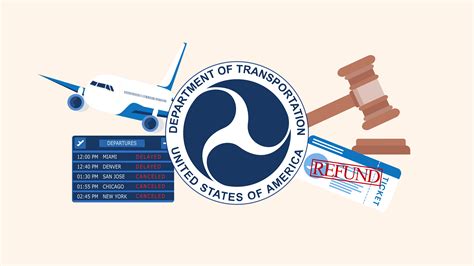
The DOT’s updated rules changed that landscape significantly. For the first time, regulators established clear federal definitions for what constitutes a “significant” schedule disruption requiring automatic refunds.
Under the revised framework:
- Domestic flight schedule changes exceeding three hours may qualify passengers for refunds.
- International itinerary changes exceeding six hours may trigger refund eligibility.
- Changes involving departure airports, arrival airports, or connection points can also require reimbursement.
- Refunds must generally be issued automatically when qualifying disruptions occur.
The new standards dramatically strengthened consumer rights by reducing the ambiguity airlines previously relied upon when handling compensation disputes. Regulators also introduced a public dashboard outlining airline commitments regarding delays, cancellations, hotel accommodations, and passenger protections.
That transparency initiative gave travelers a far clearer understanding of what airlines are obligated to provide during operational disruptions.
The Delta lawsuit now raises a critical question: even if regulations guarantee refund eligibility, what happens if airlines design their digital systems in ways that subtly discourage passengers from actually claiming those refunds?
The Growing Battle Over “Dark Patterns” In Travel
The legal fight against Delta reflects a larger reckoning unfolding across the digital economy. Regulators worldwide are increasingly targeting “dark patterns,” a term used to describe interface designs that manipulate user behavior through confusion, pressure, or hidden options.
In the travel industry, these tactics can appear in many forms. Airlines may pre-select paid seat upgrades, bury cancellation terms deep within booking flows, or structure refund pages to prioritize vouchers over cash reimbursements.
Consumer advocates argue these strategies exploit moments when travelers are stressed, rushed, or desperate to resolve disrupted itineraries quickly. Instead of making refund options equally visible, critics claim some companies intentionally structure pages to guide users toward the financially advantageous choice for the business.
For airlines still recovering from years of operational instability, labor shortages, and rising costs, retaining customer cash through travel credits remains financially attractive. Yet the reputational risks tied to these practices are becoming increasingly severe.
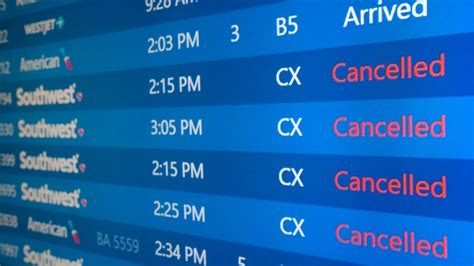
Delta’s legal challenge arrives during a turbulent period for the carrier’s public image. Recent operational disruptions, flight cancellations, and customer-service complaints have already placed the airline under heightened scrutiny from passengers and lawmakers alike.
If the lawsuit succeeds, it could create ripple effects throughout the aviation industry. Other carriers may face pressure to redesign refund systems, simplify cancellation procedures, and provide more transparent disclosures regarding passenger rights.
The case may ultimately become a defining test of how aggressively regulators and courts are willing to police digital consumer manipulation in modern air travel. For millions of passengers navigating increasingly complex airline policies, the outcome could reshape how refunds are presented — and how much control travelers truly have over their own money.