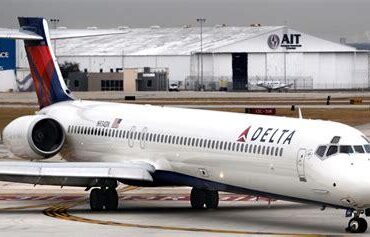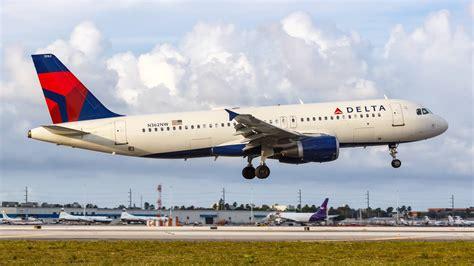
In a disturbing legal development that raises serious questions about aircraft cabin safety, American aerospace giant Boeing is now at the center of a $40 million lawsuit. The plaintiff, Jonathan Harris, a Philadelphia-based law professor, alleges he suffered lasting and debilitating health consequences after inhaling toxic fumes during a Delta Air Lines flight aboard a Boeing 737 in August 2024.
Toxic Exposure Aboard a Delta Boeing 737
The incident reportedly occurred during a routine cross-country trip from Hartsfield-Jackson Atlanta International Airport (ATL) to Los Angeles International Airport (LAX). Upon arrival in Los Angeles, the aircraft was held on the runway for approximately 45 minutes before passengers were permitted to disembark. During this time, Harris claims, the cabin began to fill with unidentified chemical fumes, giving off an odor likened by some to ‘dirty socks’.
The situation rapidly deteriorated. Multiple passengers became physically ill, with some reportedly vomiting into air sickness bags. The aircraft’s captain addressed the situation publicly over the intercom, apologizing for the noxious odor that had overtaken the cabin. Harris, seated among the affected, believes he inhaled contaminated air laced with harmful particulates or vapors.
A Legal Battle Against a Titan
Following the incident, Harris began to experience a cascade of medical issues, which he directly attributes to the fume exposure. These symptoms include:
- Persistent nausea and dizziness
- Vertigo and confusion
- Muscle pain and memory loss
- Mental health impacts such as anxiety and depression
The lawsuit, filed against Boeing—not Delta—focuses on the aircraft’s design and ventilation systems, alleging they permitted hazardous chemicals to enter the cabin environment. Harris contends that Boeing’s failure to safeguard the air supply aboard its aircraft constitutes gross negligence. He is seeking $40 million in damages, plus attorney fees, citing permanent physical and emotional harm that has affected both his personal life and career.
Boeing and Delta’s Response — Or Lack Thereof
Boeing has refused to comment on the case, offering no public defense or clarification. Similarly, Delta Air Lines has remained silent on the matter as of the time of publication. Notably, Delta operates one of the largest Boeing 737 fleets in the United States, with:
- 77 active Boeing 737-800s
- 163 active Boeing 737-900ERs
- 100 Boeing 737 MAX 10s currently on order
The scale of Delta’s reliance on the 737 model makes the lawsuit particularly sensitive. Any implication of systemic design flaws could prompt massive scrutiny from regulatory bodies, consumer watchdogs, and legal experts.
Understanding ‘Fume Events’ in Aviation
While the average passenger may associate air travel risks with turbulence or airborne illness, fume events are a lesser-known yet potentially dangerous phenomenon. These events occur when engine oil, hydraulic fluids, or other toxic substances infiltrate the cabin’s air system. Symptoms can vary from temporary eye and throat irritation to long-term cognitive and respiratory issues.
In Boeing 737 aircraft, air for the cabin is supplied through a system called Bleed Air, which uses Air Cycle Machines (ACMs) to process hot engine air, cool it via ram air, and then distribute it throughout the cabin. A faulty seal or mechanical failure in this system could allow toxins to bypass filtration mechanisms, exposing passengers and crew to contaminated air.
Though airlines conduct routine maintenance and testing, bleed air contamination is notoriously difficult to detect in real-time, making it a silent and unpredictable hazard. Boeing maintains that such occurrences are rare and generally not harmful; however, growing anecdotal and legal evidence suggests otherwise.
A Broader Concern in Commercial Aviation
This is not an isolated case. Similar fume-related incidents have surfaced in recent years. In a separate report, an American Airlines Airbus A321 was diverted in November 2025 after passengers fell ill due to cabin fumes, sending five individuals to the hospital.
Moreover, microbiologists and aviation health experts have warned that cabin air, while technically safe, can still pose chronic exposure risks—especially if chemical leaks go unnoticed or are dismissed.
While the aircraft industry typically blames most in-flight illnesses on turbulence, motion sickness, or dehydration, experts say there’s a growing body of evidence linking bleed air contamination to serious long-term health effects. This includes:
- Respiratory issues like asthma
- Neurological symptoms such as memory loss and confusion
- Mental health conditions triggered or exacerbated by toxin exposure
The Fight for Accountability and Reform
For Harris, this lawsuit is not just about personal compensation. It represents a larger push for transparency and accountability within the commercial aviation sector. The professor’s legal team is reportedly calling for deeper investigations into Boeing’s cabin air systems, more robust air quality monitoring protocols, and clearer incident reporting requirements across the airline industry.
Should the case proceed to trial—and if Harris prevails—it could set a legal precedent for how cabin air quality cases are viewed in both public and legal discourse. More importantly, it could force aircraft manufacturers to re-evaluate air filtration designs, making fume events less likely and ensuring safer flights for millions of travelers worldwide.
The skies may never be entirely risk-free, but as this lawsuit unfolds, it underscores the vital importance of engineering vigilance, corporate responsibility, and passenger health protections in modern air travel.