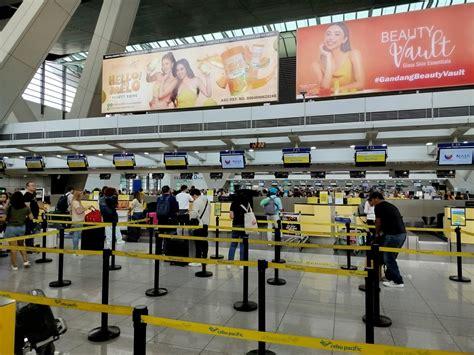
Vietnam’s aviation industry is currently facing a significant setback as it grapples with a substantial decline in punctuality rates, even as passenger traffic experiences a robust surge. According to the Civil Aviation Authority of Vietnam (CAAV), the on-time performance (OTP) rate for the first half of 2025 has plummeted to just 62.6%, a stark decline from the previous year. This downturn is particularly alarming given that Vietnam’s airports have reported a remarkable 9.1% year-on-year increase in passenger numbers. While demand for air travel remains strong, various factors—including late aircraft arrivals, operational inefficiencies, and adverse weather conditions—have contributed to a rise in delays and flight cancellations, raising serious concerns regarding the industry’s capacity to maintain service quality amidst escalating pressures.
The latest statistics from the CAAV paint a concerning picture for the aviation sector. The OTP rate has dropped by 13.1 percentage points compared to the same period in 2024, underscoring the challenges that airlines face in meeting consumer expectations. Despite the overall decline in punctuality, some airlines have managed to maintain relatively strong performance records. Bamboo Airways has emerged as a leader among domestic carriers, boasting an impressive OTP rate of 81%. Following closely is Pacific Airlines with an OTP rate of 80.2%, while VASCO reports a commendable 78%. In contrast, the flag carrier Vietnam Airlines has a comparatively lower OTP rate of 71%, and other carriers like Vietravel Airlines and Vietjet Air show even steeper declines at 67.7% and 50.6%, respectively.
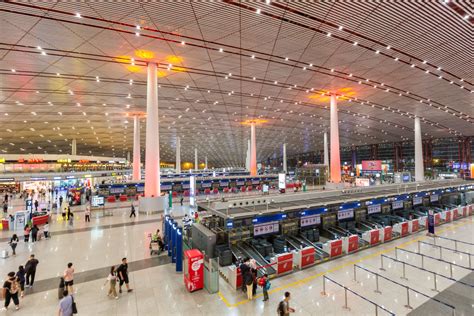
Alongside the drop in on-time performance, there has been a notable surge in flight cancellations throughout 2025. A total of 855 flights were canceled in the first half of the year, which equates to 0.6% of all flights operated. This figure represents an increase of 0.2 percentage points compared to the same timeframe last year, indicating an upward trend in disruptions within the aviation sector. Particularly alarming was the dramatic fall in OTP observed during June, where the overall OTP rate sank to just 56%, nearly 10 percentage points lower than the 65% recorded in May. During June, out of 24,304 flights operated, an astounding 44% experienced delays, while 1.2% were canceled. This significant decline in punctuality has raised serious concerns among passengers and industry stakeholders alike.
The CAAV’s analysis attributes late aircraft arrivals as the primary cause of these delays, accounting for a staggering 68.5% of all delays in the first half of 2025. Additional contributing factors include airline operational issues, adverse weather conditions, technical difficulties, and commercial reasons. These elements illustrate the intricate challenges facing the aviation sector, where multiple variables—both internal and external—contribute to disruptions in scheduled operations.
Despite these operational challenges, passenger traffic through Vietnam’s airports has remained on a strong upward trajectory. From January to June 2025, the total number of passengers passing through the country’s airports reached 59.7 million, marking a 9.1% year-on-year increase. This growth is primarily driven by international travel, which surged by 12.9%, totaling 22.9 million passengers. Domestic passenger traffic also saw solid growth of 6.9%, amounting to 36.8 million passengers in the first half of the year. The continued increase in passenger numbers, juxtaposed with rising cancellations and delays, suggests a potential strain on both the infrastructure and operations of Vietnam’s airports.
As the demand for air travel continues to expand, it becomes increasingly crucial for the industry to address the underlying issues contributing to the decline in punctuality. Ensuring long-term sustainability and passenger satisfaction hinges on the ability of the CAAV and individual airlines to implement strategies aimed at improving operational efficiency. Investment in better scheduling practices, enhanced aircraft maintenance protocols, and improved coordination between airlines and airport authorities could play pivotal roles in reversing the downward trend in OTP.
Looking ahead, the coming months will be critical in determining whether Vietnam’s aviation sector can effectively navigate these operational hurdles. The industry must adapt to the post-pandemic surge in demand while striving for improved service quality and punctuality. The ability to deliver efficient and timely service is paramount for maintaining passenger trust and fostering the ongoing growth of Vietnam’s tourism and aviation industries. As the aviation landscape evolves, stakeholders must remain vigilant and proactive in addressing the myriad challenges that lie ahead, ensuring that Vietnam’s aviation sector can thrive despite increasing pressures from growing air traffic.