As a relentless heatwave scorches large swaths of the United States, the nation’s air travel infrastructure is buckling under the pressure. With temperatures surging to dangerous highs, airlines like Southwest, Delta, American, and United have seen thousands of flight delays ripple across the system, affecting both primary and secondary hubs. The situation, experts warn, is not only a logistical nightmare for travelers but also a growing public health and operational safety issue.
Extreme Heat Crippling U.S. Air Travel
By Monday evening, the impact was already stark. Over 7,000 flights had been delayed, according to flight tracking service FlightAware, which monitors real-time flight data nationwide. That number represents more than 15% of all domestic flights typically tracked by the Federal Aviation Administration (FAA) on a given day. With temperatures climbing from Nebraska to the Carolinas, these disruptions have highlighted the fragile balance between weather conditions and air travel operations.
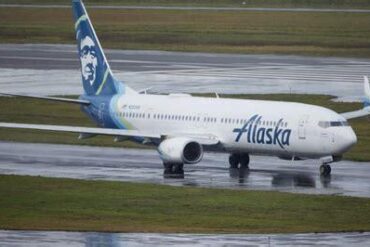
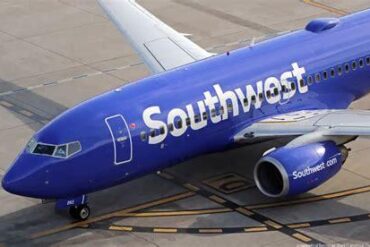
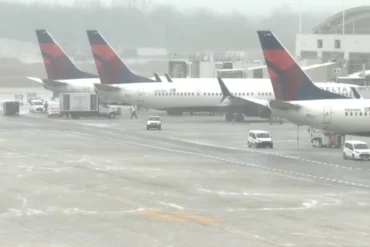
Among the hardest-hit carriers, Southwest Airlines reported 1,165 delayed flights, closely followed by American Airlines with 885 delays. Delta Air Lines experienced 736 delays, while United Airlines logged 686, all contributing to widespread passenger frustration, missed connections, and rerouted schedules.
Major Hubs Bear the Brunt of Delays
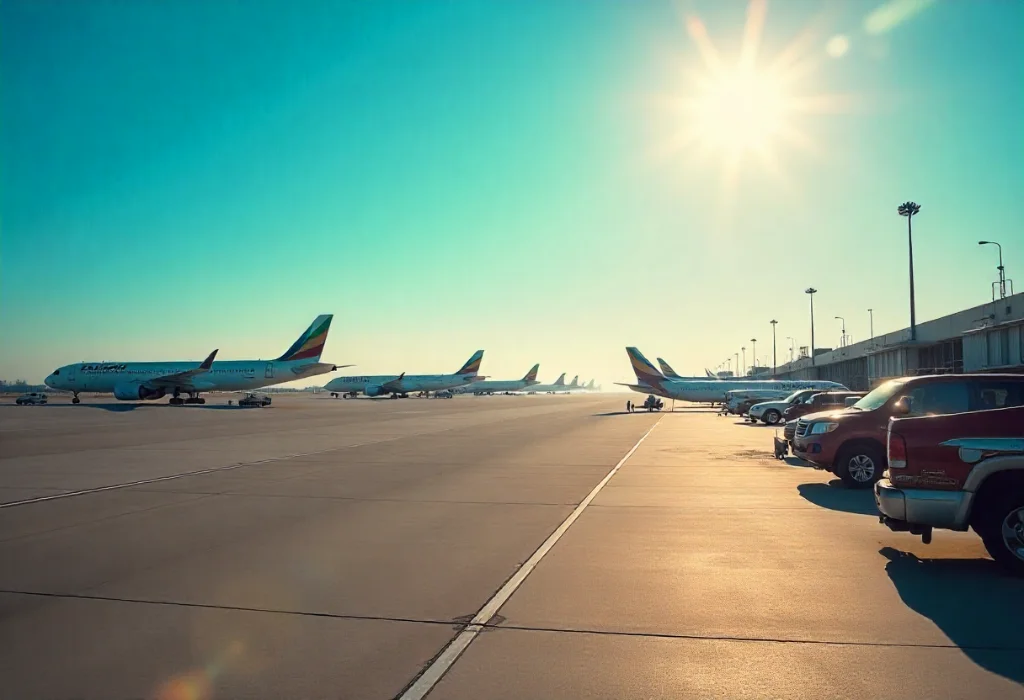
The delays haven’t been isolated. They’ve radiated through America’s busiest airports, with Chicago O’Hare, Dallas-Fort Worth, Atlanta’s Hartsfield-Jackson, Denver, Detroit Metro, Charlotte-Douglas, Newark Liberty, Boston Logan, and Washington Reagan National all seeing triple-digit flight disruptions. Compounding the issue are additional delays at vital secondary airports such as Baltimore/Washington, Las Vegas Harry Reid, Los Angeles (LAX), Seattle-Tacoma, LaGuardia, and Orlando.
This system-wide congestion has become a logistical chain reaction. A delayed morning flight in Boston can throw off afternoon schedules in Dallas or Chicago, leading to cascading delays nationwide. With many aircraft and crew scheduled for multiple flights a day, a single early hiccup reverberates through the entire network.
The Science Behind Heat-Induced Flight Delays
What many travelers may not realize is that extreme heat significantly alters the physics of flight. According to Melanie Dickman, aviation scholar at Ohio State University’s Center for Aviation Studies, rising temperatures reduce air density, making it harder for aircraft to take off. “Hot air is less dense,” she explains, “so planes need more speed and runway length to lift off.”
This lower air density means reduced lift and thrust, forcing aircraft to either limit passenger or cargo loads or utilize longer runways—a difficult choice at already congested hubs. The issue is even more pronounced at high-elevation airports, where thinner air is already a challenge.
Additionally, Dr. Bob Thomas of Embry-Riddle Aeronautical University warns that higher temperatures increase turbulence levels, especially during takeoff and landing, which can pose safety and comfort risks to passengers. These conditions create operational stress not only on pilots and aircraft systems, but also on ground crews and infrastructure, many of whom must work in full gear in the blazing sun.
Aircraft Cooling Limitations and Passenger Discomfort
One less obvious—but equally troubling—consequence of extreme heat is its effect on aircraft cooling systems. Many airplanes are designed with cooling systems optimized for high-altitude conditions, meaning that when grounded on sweltering tarmacs, these systems struggle to maintain safe cabin temperatures. While gates may provide cooled air externally, once the aircraft pulls away from the terminal, the interior temperature can rise dramatically.
Federal regulations do provide a safety net. Under U.S. Department of Transportation rules, domestic flights must allow passengers to deplane if they’ve been sitting on the tarmac for more than three hours. However, even within that window, passengers may endure significant discomfort—an issue that becomes more severe as climate-related events intensify.
Heatwave Extends Through Midweek: NWS Warnings Intensify
The National Weather Service (NWS) has issued extreme heat warnings across multiple regions, noting that heat index values could soar up to 115°F in some areas. Cities such as Raleigh, Charlotte, and Orlando are under heightened risk, with health advisories cautioning against any prolonged outdoor exposure. The current heatwave is forecast to persist through Wednesday, prompting growing concern for travelers, airport staff, and homeless populations.
Travelers Left Stranded and Vulnerable
The consequences of these delays extend beyond mere inconvenience. Thousands of travelers are stranded in terminals, scrambling to rebook flights, while airport hotels fill quickly and ground transport options become overwhelmed. Vulnerable populations—such as the elderly, those with disabilities, and families with young children—face particularly harsh conditions in airports not equipped to handle prolonged crowding during climate emergencies.
Recommendations for Navigating Heatwave Travel Chaos
According to air travel experts, passengers can adopt several strategies to minimize the risk of delays and mitigate personal discomfort during summer heatwaves:
- Book early morning flights: These are less likely to encounter weather-related disruptions and usually benefit from cooler runway conditions.
- Stay hydrated: The combination of dry, recycled cabin air and heat exposure can quickly lead to dehydration.
- Check flight status frequently: Airlines often adjust departure times or reroute flights at the last minute during severe weather events.
- Pack essentials in carry-on luggage: Include medications, toiletries, snacks, and a change of clothes in case of extended delays.
- Build in extra connection time: Leave larger buffers between connecting flights to account for potential disruptions.
Airline and Airport Response Measures
Airlines are under increasing pressure to adapt operational protocols for more resilient summer travel. This includes scheduling flexibility, deploying backup aircraft and crews, and improving terminal cooling and crowd management strategies. Some airlines are reviewing load policies to account for temperature-related lift limitations, while airport authorities consider runway and gate cooling innovations.
Meanwhile, airports are setting up hydration stations, deploying additional customer service agents, and coordinating with emergency medical services to respond to heat-related incidents. Yet with climate extremes expected to worsen, long-term solutions—like infrastructure upgrades and sustainable cooling systems—remain urgent priorities.
Public Health and Infrastructure Implications
The rising number of weather-induced travel disruptions is forcing both policymakers and aviation leaders to reckon with climate adaptation gaps. This latest heatwave serves as a stark reminder that climate resilience is no longer optional. As aviation remains one of the most complex and interconnected transportation systems, even moderate environmental stressors can lead to cascading failures across regions.
For now, the combination of scorching temperatures, strained airline logistics, and a fatigued travel public represents one of the most significant summer travel challenges in recent years. If conditions persist, we may see more cancellations, reduced flight schedules, and modified operational guidelines well into August.
Conclusion: A Wake-Up Call for Aviation in a Warming World
This week’s flight chaos is more than just another travel disruption—it is a climate crisis unfolding in real time. The aviation industry must confront the growing vulnerability of flight operations to extreme weather events, especially heat. Airlines, airports, and federal agencies must work in tandem to develop proactive systems that go beyond reactive scheduling and crowd control.
For now, travelers should expect the unpredictable to become the norm as summers become longer, hotter, and more disruptive. In an industry that prides itself on precision, the rising mercury is an uncomfortable variable—one that neither technology nor tradition can afford to ignore.