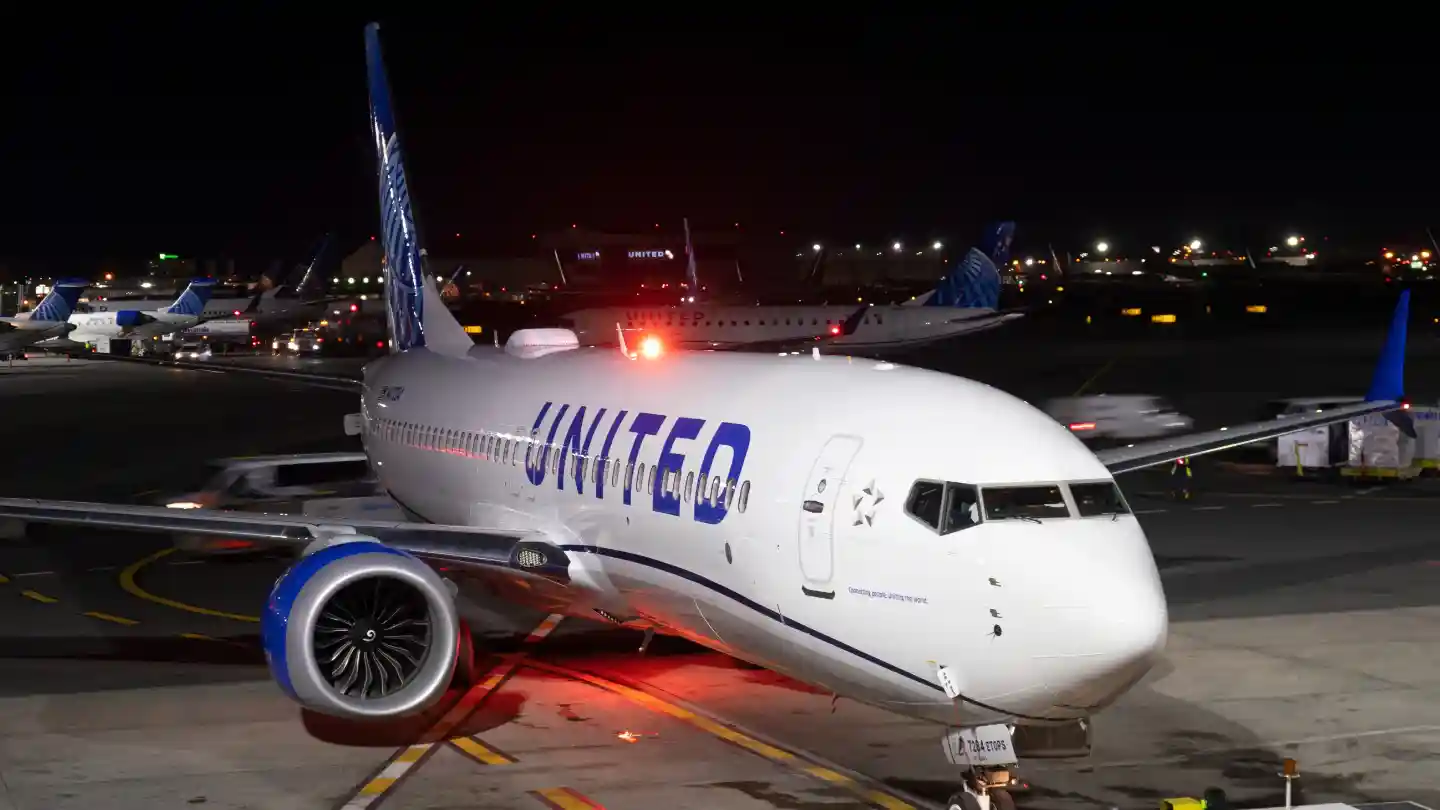
Thousands of passengers were left stranded and frustrated on Thursday, July 25, 2025, as United Airlines canceled dozens of flights across major U.S. and European travel corridors, triggering a ripple effect of delays and operational breakdowns. This large-scale disruption, sparked by compounding issues such as crew shortages, tight aircraft rotations, and airport congestion, impacted critical hubs from San Francisco to Paris, and has underscored the fragility of global airline operations during peak summer travel.
Severe Impact at Key U.S. Hubs: San Francisco and Newark Crippled
San Francisco International Airport (SFO) bore the brunt of the cancellations, with 11 United flights grounded, paralyzing both domestic transcontinental and international departures. Gate areas overflowed with confused travelers, some of whom had already boarded before being asked to disembark. The SFO delays created a cascading effect across the airline’s West Coast operations.
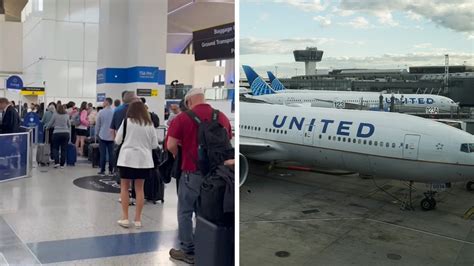
At the same time, Newark Liberty International Airport (EWR)—a cornerstone of United’s East Coast transatlantic operations—recorded 6 cancellations, directly affecting connections to Europe, particularly Frankfurt, Paris, and Amsterdam. In both airports, United’s rebooking desks were overwhelmed, with wait times exceeding four hours in some terminals.
Transatlantic Routes in Disarray: Paris, Frankfurt, and Amsterdam Affected
Across the Atlantic, United’s European operations experienced severe setbacks. Amsterdam Schiphol Airport saw 3 canceled flights, while Paris Charles de Gaulle and Frankfurt International Airport each reported 2 and 1 cancellations, respectively. These are not just isolated airports but are deeply embedded into the transatlantic artery that supports both business and tourism traffic.
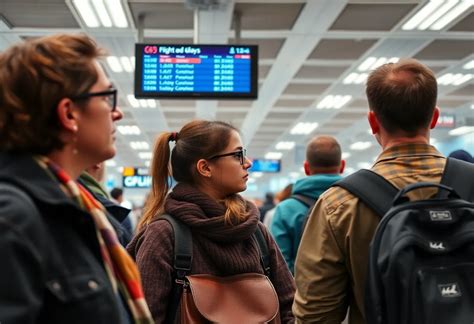
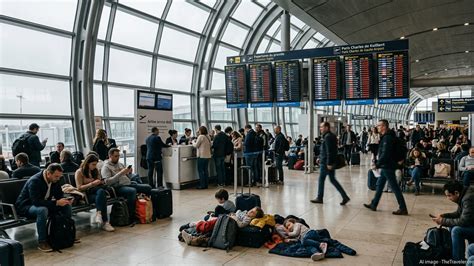
Travelers at Paris CDG faced a particularly tough situation, with most rebooking options already full, forcing overnight stays and missed connecting flights. Frankfurt’s lone cancellation still affected hundreds, especially those connecting from Asian and Middle Eastern markets.
Domestic Chaos: Flight Cancellations Spread Coast to Coast
United’s troubles weren’t confined to international routes. The domestic U.S. network saw scattered cancellations across numerous cities:
- Austin-Bergstrom International (AUS): 3 cancellations
- Seattle-Tacoma (SEA): 2 cancellations
- San Diego International (SAN): 2 cancellations
- Denver International (DEN): 2 cancellations
- Honolulu International (HNL): 2 cancellations
- Chicago O’Hare (ORD), Los Angeles International (LAX), Phoenix Sky Harbor (PHX), Detroit Metro (DTW), LaGuardia (LGA), Cleveland Hopkins (CLE), Bradley International (BDL), Washington Dulles (IAD), Houston Bush Intercontinental (IAH), and Lake City Gateway (LCQ): 1 cancellation each
While some of these cancellations may seem minor in isolation, their geographic spread and connective nature caused disarray throughout United’s entire domestic grid. Connecting flights were missed, and standby lists ballooned into the hundreds.
Operational Breakdown: 10% of United’s Global Schedule Affected
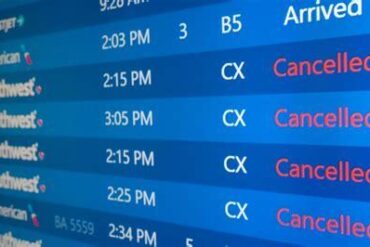
According to United’s internal flight monitoring, 31 flights were outright canceled, and 326 were delayed—a staggering number representing nearly 10% of its global operations for the day. Though numerically this may appear modest, the logistical implications are vast. Aircraft scheduling relies on tight turnarounds. A delay or grounding in one city forces a domino effect across an airline’s route network. By Thursday afternoon, United’s hubs were locked in a cycle of cascading disruptions, unable to rebalance crews or aircraft efficiently.
Travelers Voice Outrage: Long Waits and Limited Communication
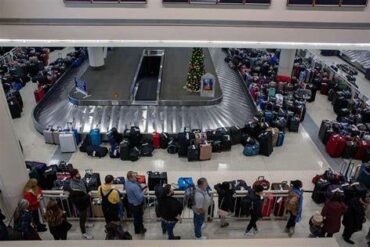
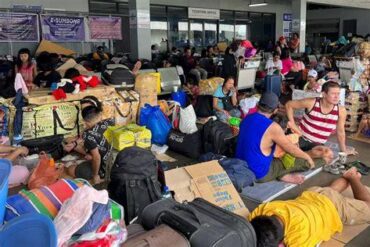
Frustrated passengers flooded social media platforms, airport counters, and United’s customer service lines. Some travelers reported being stuck on hold for over three hours, while others waited in terminal queues extending into airport lobbies. In SFO, multiple families with children were seen sleeping on terminal floors.
United responded by pushing out a travel advisory through its mobile app and website, acknowledging the disruption and waiving change fees for certain affected flights. However, given that many flights were already operating near capacity due to summer demand, most customers found no same-day alternatives available.
Underlying Issues: Tight Schedules, Staffing Shortages, and Infrastructure Limits
A precise cause was not officially stated by United. However, aviation analysts agree the disruption was caused by a toxic mix of predictable vulnerabilities:
- Crew scheduling bottlenecks, with insufficient backup pilots or flight attendants available
- Aircraft scarcity, especially for long-haul international fleets
- Congested hub airports, where runway delays and gate availability slow down rotation
- Ripple delays, where a single issue at a hub like SFO or EWR spirals across the network
These systemic issues aren’t new. The aviation recovery post-COVID remains incomplete, with demand rebounding faster than operational readiness. Airlines are running on razor-thin margins in terms of time, crew, and equipment availability. In this context, even a small external delay or resource shortage can explode into system-wide turmoil.
No Relief in Sight: Summer Travel Season Continues Under Stress
As July bleeds into August, the travel rush is only expected to intensify. Historically, these weeks see the highest passenger volumes of the year, as both leisure and business travelers flood the skies. United, like many carriers, is pushing its network to the limits.
The lack of adequate buffer space in scheduling means more days like July 25 are likely unless significant operational breathing room is created. That would require:
- Expanded backup crews for on-call duty
- Extra standby aircraft, particularly for long-haul international routes
- Improved coordination between United and airport authorities to preempt congestion
Unfortunately, implementing such systemic changes in real time is nearly impossible. Most fixes must wait until off-peak seasons.
Lessons for Travelers: Vigilance and Flexibility are Crucial
For passengers flying United—or any major airline—during this peak season, the key takeaways are simple but critical:
- Monitor flights regularly, even hours before departure
- Sign up for SMS or app alerts from the airline
- Avoid tight connections, especially through known bottlenecks like Newark, San Francisco, and Chicago
- Travel with essentials in your carry-on, anticipating delays or missed connections
United’s July 25 collapse may serve as a harbinger for the rest of the summer, a warning that air travel, while rebounding, is still navigating rough air.
Conclusion: A System Under Strain
United’s broad cancellations on July 25 revealed how vulnerable the modern airline system remains, particularly in high-traffic seasons. With just 31 canceled flights triggering hours of delay and confusion across multiple continents, the incident underscores the need for deeper resiliency within airline operations. For the affected thousands, it was a day of frustration. For the industry, it was another reminder: operational readiness in 2025 still lags behind travel demand.